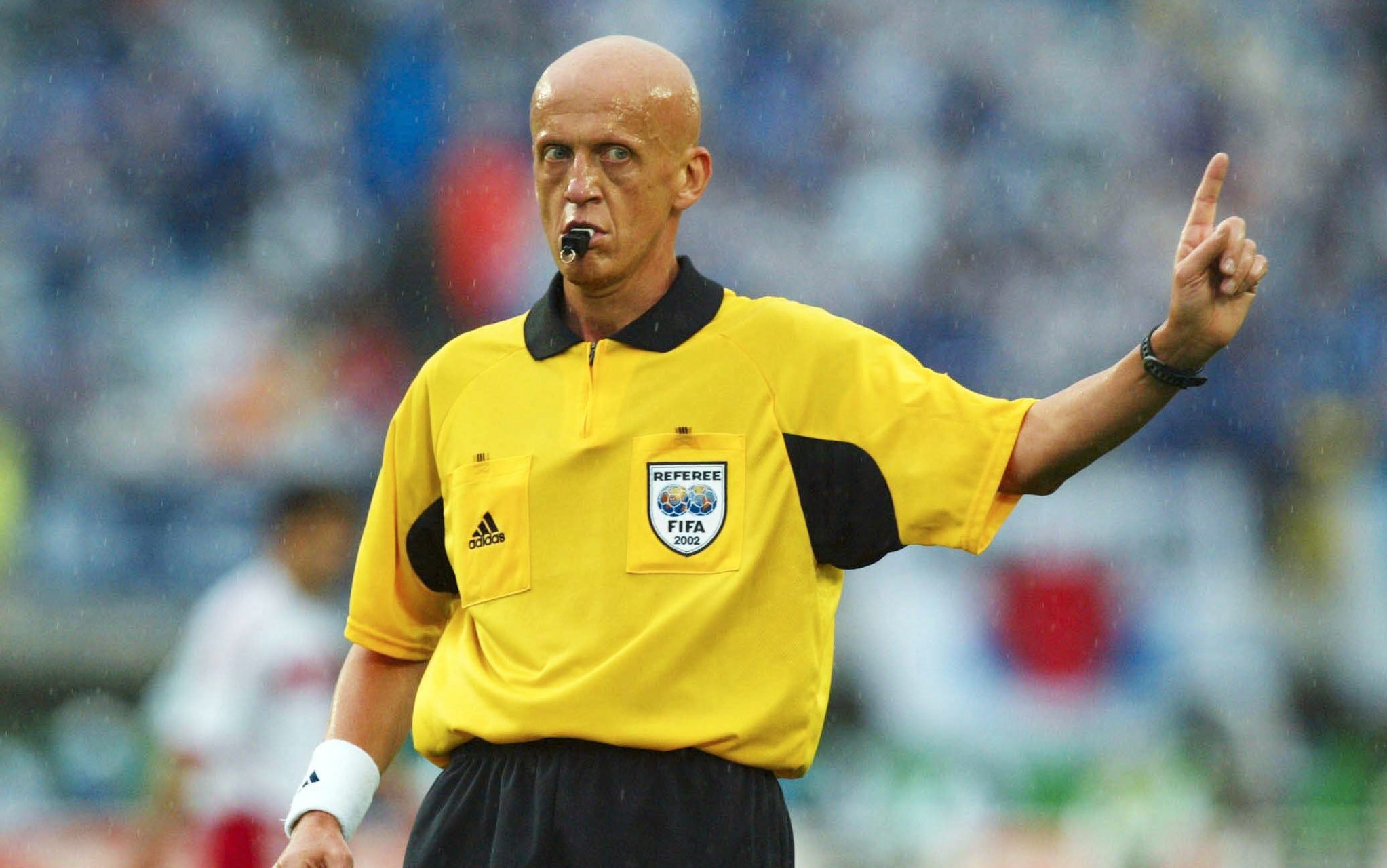
It is disappointing that the main stories from the 2026 World Cup focus on manipulation and political games instead of the beautiful game. I am not a conspiracy theorist, but the evidence suggests something is off.
As I examine the facts from the past month, a clear picture is forming: something about this tournament feels wrong, and it is not the football itself.
Are the referees being influenced? Are they taking orders from Gianni Infantino? Has football become a tool for politics? Let's look at what actually happened and compare it to the rules from IFAB to see what it shows.
If we were to re-referee the match between Egypt and Argentina, which is what VAR aims to do, the French referee could be seen as biased. All that managers and players want from referees is fairness. But FIFA's referee chief, Collina, told Reuters that FIFA is happy with how VAR rules were followed during the tournament.
"We believe that a foul is a foul," Collina said. "Regardless of whether the foul appears obvious, if the referee did not see it on the field, the VAR can step in."
He also explained why Egypt did not get a penalty when Mohamed Salah and Julian Alvarez clashed in the Argentina box just before Argentina scored the winning goal, calling it "normal football contact."
"Stepping on an opponent’s foot is a foul, but if a defender touches the ball first and then makes normal contact, it is not a foul," he added.
Some moments do more damage than a thousand articles. The night Argentina struggled to beat Cape Verde 3-2 in the Round of 32, FIFA president Gianni Infantino stood in front of a camera and told an Argentine reporter, "Tonight, I suffered with Argentina." He quickly added, "but I’m neutral," but it felt more like a slip than a correction.
To be fair to Infantino, mistakes happen, and a slip during an emotional interview isn’t proof of a rigged tournament. But context matters, especially since this is a president with a history. FIFA faced accusations during the 2022 Qatar final of directing five penalty kicks to Argentina. So, when the person in charge says he “suffered” for one team, fans who remember every close call see a pattern.
Now, let's look at the officiating record. In Argentina’s first group game against Algeria, Messi made a dangerous challenge on Aïssa Mandi in the 30th minute. No card was given. No VAR review followed. The Algerian Football Federation officially complained to FIFA about that match. It might have been overlooked until USMNT forward Folarin Balogun received a straight red card for a similar challenge against Bosnia and Herzegovina days later, which even his opponent called harsh.
Things got even stranger when President Donald Trump called Infantino to push for a review of Balogun’s red card. FIFA reversed the suspension in less than 24 hours, with little public explanation, and Balogun played the next match. Trump celebrated on social media. Regardless of intent, it looks like a phone call can change a decision faster than an official appeal.
Next, in the Round of 16 match between Argentina and Egypt, Egypt was leading 2-0 with less than 25 minutes left. Mostafa Ziko had scored twice, but one goal was ruled out by VAR for a foul that referee François Letexier decided happened 20 seconds before the goal, well away from the ball. Commentators said it was beyond VAR’s authority.
FIFA’s own rules technically allow for a review of any foul leading to a goal, but “technically allowed” and “in the spirit of the Laws” are different. This was the second VAR decision against Egypt in two weeks, following a similar situation where an Iran goal against them was also disallowed. Argentina came back to win 3-2, with Messi scoring his 21st World Cup goal and eighth in this tournament.
Senegal’s exit followed the same pattern, but without Argentina involved. Leading 2-0 against Belgium with five minutes left, the Lions of Teranga looked set to win. Belgium scored twice in three minutes to force extra time. In the 124th minute, Youri Tielemans scored a penalty awarded after a seven-minute VAR review of a challenge many analysts said Tielemans created himself. This was Senegal’s second heartbreak in six months after losing the Africa Cup of Nations title to Morocco under similar circumstances.
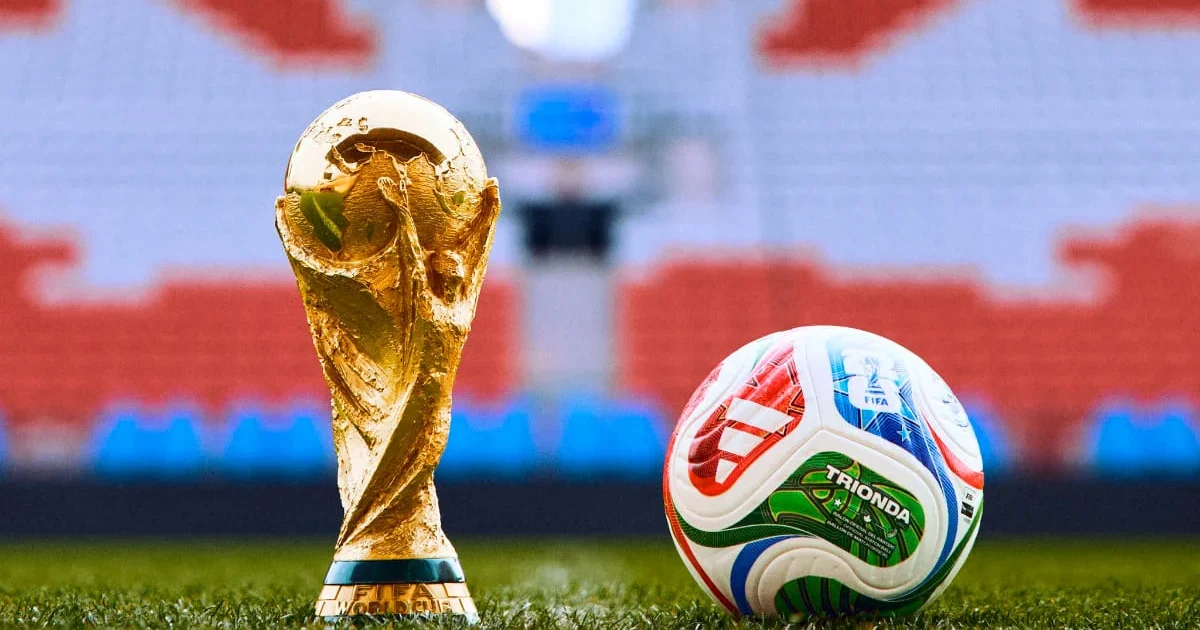
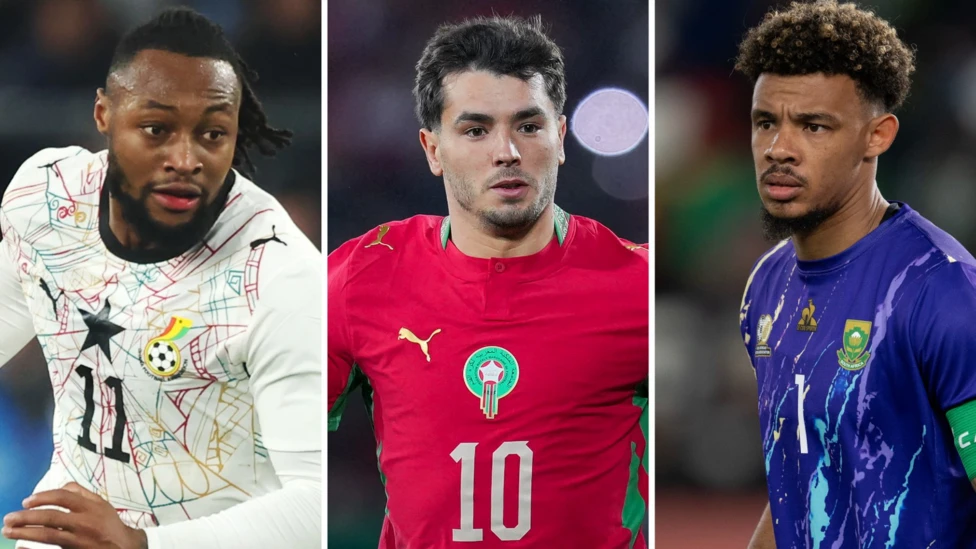
Looking at IFAB’s Laws of the Game, which state that VAR exists to fix “clear and obvious errors,” a pattern emerges. Factual calls, like offsides, are resolved by measurement and rarely debated. It is the judgment calls, requiring a human decision on contact, that keep going in predictable directions. Brazil had a Vinicius Junior goal disallowed against Scotland for a questionable foul, leading their federation to demand “consistent application” of rules.
Ghana was denied what seemed like a clear penalty against England. Julian Nagelsmann from Germany called a disallowed extra-time goal against Paraguay “a joke.” No one is saying all these calls were rigged. But when the questionable calls keep going against certain teams, while the big commercial teams get the benefit of the doubt, it stops feeling random.
All of this is not happening in isolation. Infantino gave Trump the first “FIFA Peace Prize” last December, months before the president called him about a red card. FIFA tried to arrange a handshake photo-op between Palestinian and Israeli football officials at its Congress, but the Palestinian federation's president walked out, saying, “We are suffering.”
Iran’s federation almost boycotted the World Cup draw after their president was denied a US visa. Talks of a European boycott emerged in January due to Greenland tensions. Final tickets are going for $11,000, a price Infantino called “market rates,” even as stadiums had empty seats in the group stage. This tournament has politics front and center, competing with football for attention.
We must be honest here, because blaming referees lets African teams off too easily. Senegal and Egypt were genuinely careless late in matches they had under control. Senegal was 2-0 up with five minutes to go but conceded twice before extra time. That is poor game management, not officiating. Egypt led 2-0 against the reigning champions but could not finish strong. Controversial calls do not fully explain four goals conceded in the last twenty-five minutes across two matches.
A few lessons stand out as we move toward 2030, when Morocco will co-host alongside Spain and Portugal, and African teams will have home pressure for the first time in over a decade.
African countries need to learn how to secure leads with structure, not just adrenaline. Both Senegal and Egypt panicked after conceding once. Top teams manage a 2-0 lead by controlling the game, not by chasing a third goal that opens them up.
Managing the moment is just as important as tactics. Fatigue, hydration breaks, and the pressure of a first Round of 16 appearance in decades visibly affected Senegal and Egypt's performance. Teams with more experience, like Argentina and France, rarely unravel in this way.
Teams must build a better understanding of VAR into their game plans, not just through protests. The Algerian federation’s formal complaint about the Messi non-card was a good move; using official channels, not just social media outrage, is something others can copy immediately after controversial calls, while the tournament is still ongoing.
How many African referees were on VAR duty at the 2026 World Cup? Just two. This means the Confederation of African Football (CAF) and individual federations need to recruit and develop more top match officials. The reason questionable calls seem to favor some teams is that they create a middle ground. Having more African referees and VARs in top matches would not guarantee different outcomes, but it would change who makes these calls.
Belgium’s manager, Rudi Garcia, said, “We know these [supposedly African] teams, they lose their tactical structure towards the end of the match.
“We also know that at 2-0, they would do anything to protect their goal which, in my opinion, is a serious mistake.” He later clarified on Instagram that he meant teams unaccustomed to managing a lead in high-level World Cup matches.
Football is still magical, full of emotion and excitement. That’s why it matters when the sport feels unfair, and why it’s important to reflect when the outrage is not the whole story. Both things can be true at this World Cup. Officiating needs to be examined - some of it is justified and overdue. And African teams, despite their brilliance, still have lessons to learn before 2030.

Drop your comment
No comments yet — be the first to drop the gist 👇