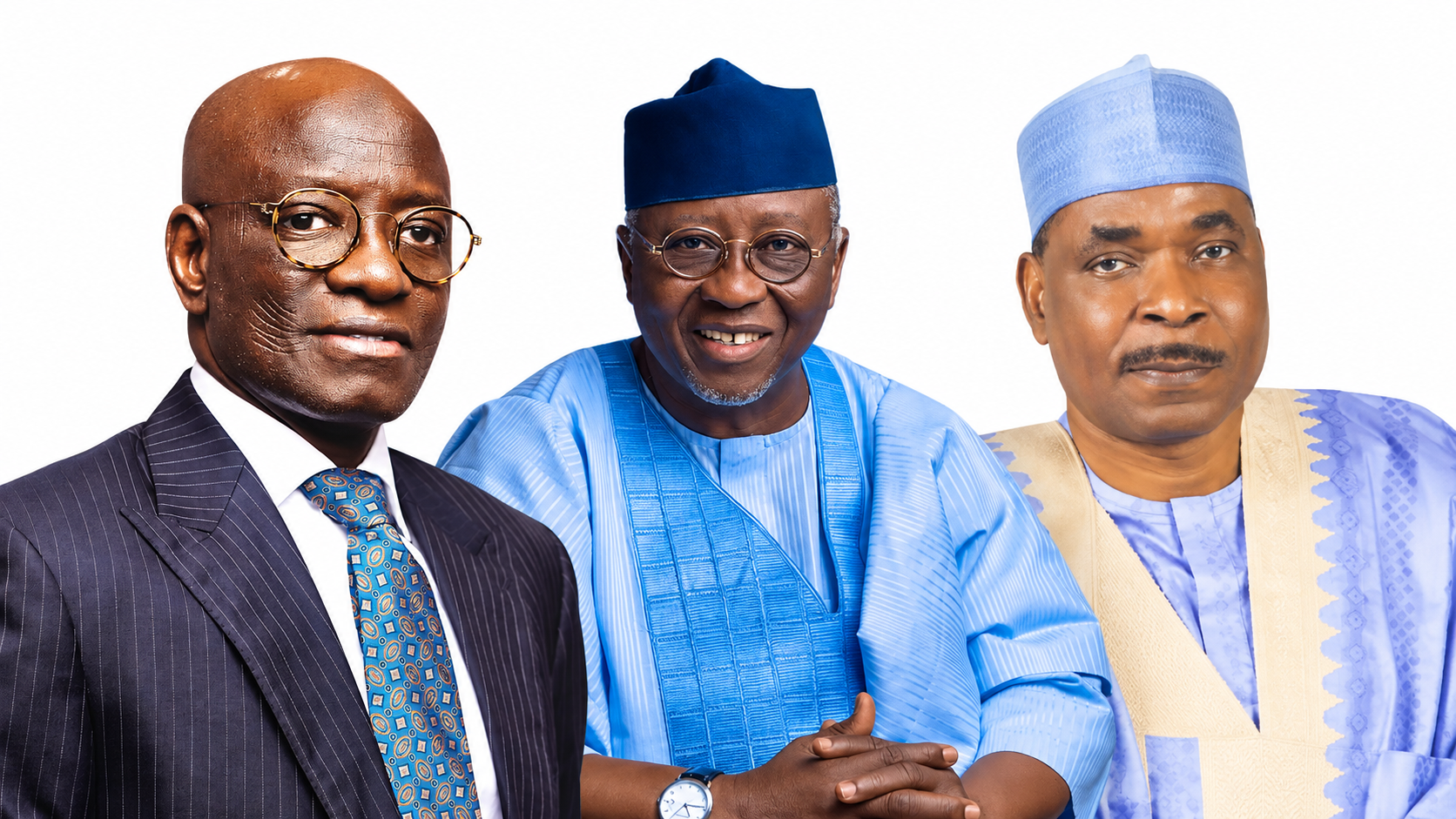
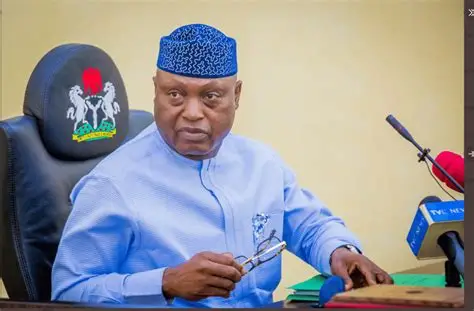
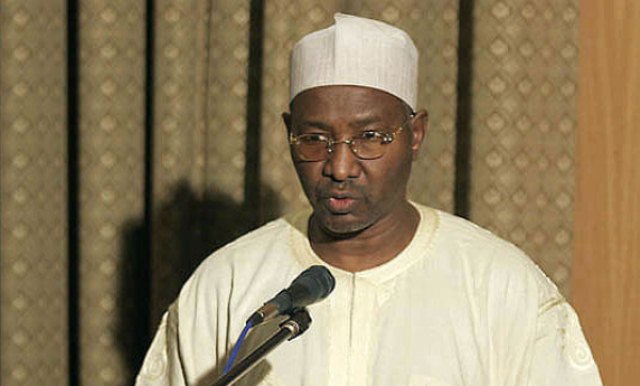
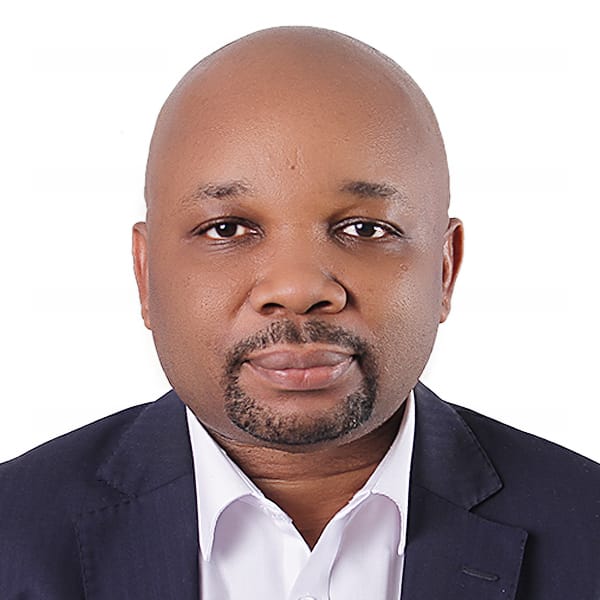
The 2027 governorship election in Nasarawa State will show if the ruling All Progressives Congress (APC) can handle the aftermath of its primaries. Aliyu Wadada and former Inspector-General of Police Mohammed Adamu are the main candidates in a race that could be heavily influenced by former governor Tanko Al-Makura.
Wadada got the APC ticket with the support of Governor Abdullahi Sule. Adamu, who came second in the party's primary, has moved to the Social Democratic Party (SDP) to keep his governorship dream alive.
Adamu's challenge is significant, not just because he switched parties after losing. He has the backing of Al-Makura, a former two-term governor and senator known for defeating strong political opponents.
This mix of a former IGP with state-wide political goals and a former governor with a strong political network makes things tougher for Wadada than a typical third-party candidate would.
The Al-Makura factor
Al-Makura is one of the few politicians in Nasarawa whose history at the polls cannot be ignored. In 2011, he beat sitting governor Akwe Doma of the Peoples Democratic Party (PDP) while running under the Congress for Progressive Change (CPC).
He won with 324,823 votes against Doma’s 320,398, a narrow victory by 4,425 votes, thanks to a strong coalition outside the main political structure. This history is important for the current contest.
Yet, Al-Makura's record since leaving power in 2019 shows a more complex political strength. After his term, he ran for the 2019 senatorial election and won the Nasarawa South seat, beating the sitting senator, Suleiman Adokwe. In 2023, he tried to regain his seat but lost to the PDP’s Mohammed Onawo, who got 93,064 votes compared to Al-Makura’s 76,813.
This loss indicates that being a former governor doesn't guarantee electoral success, especially years after leaving office. Still, Al-Makura is politically active. He is now the chairman of the Universal Basic Education Commission (UBEC) board and serves as the North-Central Coordinator of the Renewed Hope Ambassadors.
From political ally to challenger
There is also an interesting twist in this contest. Al-Makura has supported Sule’s political ambitions in the past. He played a key role in helping Sule rise to power in 2019 and endorsed him for a second term. Now, they stand on opposite sides regarding succession.
Sule endorsed Wadada as the preferred candidate before the APC primary. This upset other aspirants and political players. Al-Makura questioned how Wadada was selected and claimed he was not consulted.
He later supported Adamu's bid for the APC governorship ticket. In May, Al-Makura publicly backed Adamu ahead of the APC primary. Wadada won the primary with 195,285 votes, while Adamu received 39,675 votes.
The outcome did not resolve their political disagreement. Adamu left APC for the SDP, turning an internal APC contest into a broader political conflict.
Wadada has the advantage of structure
Despite the challenges, Wadada starts the general election with a strong position. He is the ruling party's candidate and has the support of the sitting governor. His performance in the APC primary showed this strength, as he secured 195,285 votes across the state’s 147 wards, far ahead of Adamu's 39,675 votes.
This gave Wadada a significant numerical edge over his nearest competitor. It also highlighted the APC's support for his candidacy. But a primary election is different from a general election. Wadada needs to win over voters outside the APC and ensure that unhappy party members do not shift their support to Adamu or another candidate.
This is where Adamu's candidacy becomes important.
Adamu’s gamble
Adamu has taken a big political risk by leaving the APC. He has left the party with the strongest structure in the state for one that needs to build its machinery for a governorship election.
But he has gained political freedom. Outside the APC, he can position himself as an alternative to the succession plan backed by Sule. His campaign can connect with voters who think the governor's choice should not automatically take over.
His background as a former police chief gives him national recognition that many third-party candidates do not have. But mere recognition will not win Nasarawa. Adamu will need support at the ward level, local political leaders, polling-unit agents, and enough resources to compete in the state’s 13 local government areas.
This is where Al-Makura could play a key role.
Can Al-Makura reproduce the 2011 upset?
The key question is whether Al-Makura's political influence can be turned into a statewide structure for Adamu. Al-Makura has already shown he can win against established political systems. His 2011 win over Doma is the best example.
He ran on the CPC platform and defeated an incumbent PDP governor, proving that a well-organized opposition can beat the advantages of incumbency. But his 2023 Senate loss shows that political influence does not always equal votes.
The test will be if Al-Makura can still rally political figures across the state and if they will work against the APC candidate.
If he can mobilize his network, attract former APC members, and help Adamu create a grassroots organization, the SDP candidate could become more than just a spoiler. He could be a real challenger.
But this is not certain. Political influence from being a governor does not automatically mean votes years later.
The Tinubu movement dimension
Al-Makura's wider political role might also matter. He is seen as part of the North-central movement backing President Bola Tinubu’s political agenda, including being the North-Central Coordinator of the Renewed Hope Ambassadors.
This creates an interesting political situation. The APC's national leaders want to keep the party strong across North-central and maintain control of states where it governs. Nasarawa is crucial to this plan.
If Al-Makura’s political network heavily engages in an SDP campaign against the APC candidate, questions will arise about how his regional role connects to his actions in Nasarawa.
Recently, Al-Makura has continued to rally support for President Tinubu’s re-election while backing Adamu’s governorship ambition. At a meeting with former local government chairmen and campaign coordinators who worked with him under CPC and later APC structures, Al-Makura, as North-Central Coordinator of the Renewed Hope Ambassadors, urged participants to support Tinubu’s re-election.
Wadada’s name was reportedly not mentioned during this meeting. Sources close to the event said that in a closed session, Al-Makura directed political actors to support Adamu in the governorship election.
This claim could not be verified independently from Al-Makura’s office. If true, this presents a unique political situation. Al-Makura might keep supporting President Tinubu at the national level while his network in Nasarawa works for an SDP candidate challenging the APC’s governorship candidate.
Whether this arrangement can hold as the election nears is uncertain. But if some of Al-Makura’s old CPC and APC network follows Adamu, the SDP candidate could have a grassroots structure stronger than that of many parties outside the dominant political groups.
For the APC, the challenge would then be more than just defeating an opponent. It would involve stopping former party members with experience from using their knowledge against the party.
The APC’s internal challenge
The risk for Wadada is not necessarily that Adamu will beat him. It is that Adamu could take enough votes from the APC's traditional supporters to make the election much tighter.
Adamu campaigned across the state during the APC primary. He had supporters within the party and backing from important political figures, including Al-Makura. The question now is how many of those relationships stayed intact after he left the APC. If only a few follow him, Wadada's advantage remains strong. But if many APC politicians and supporters go with him, the situation changes.
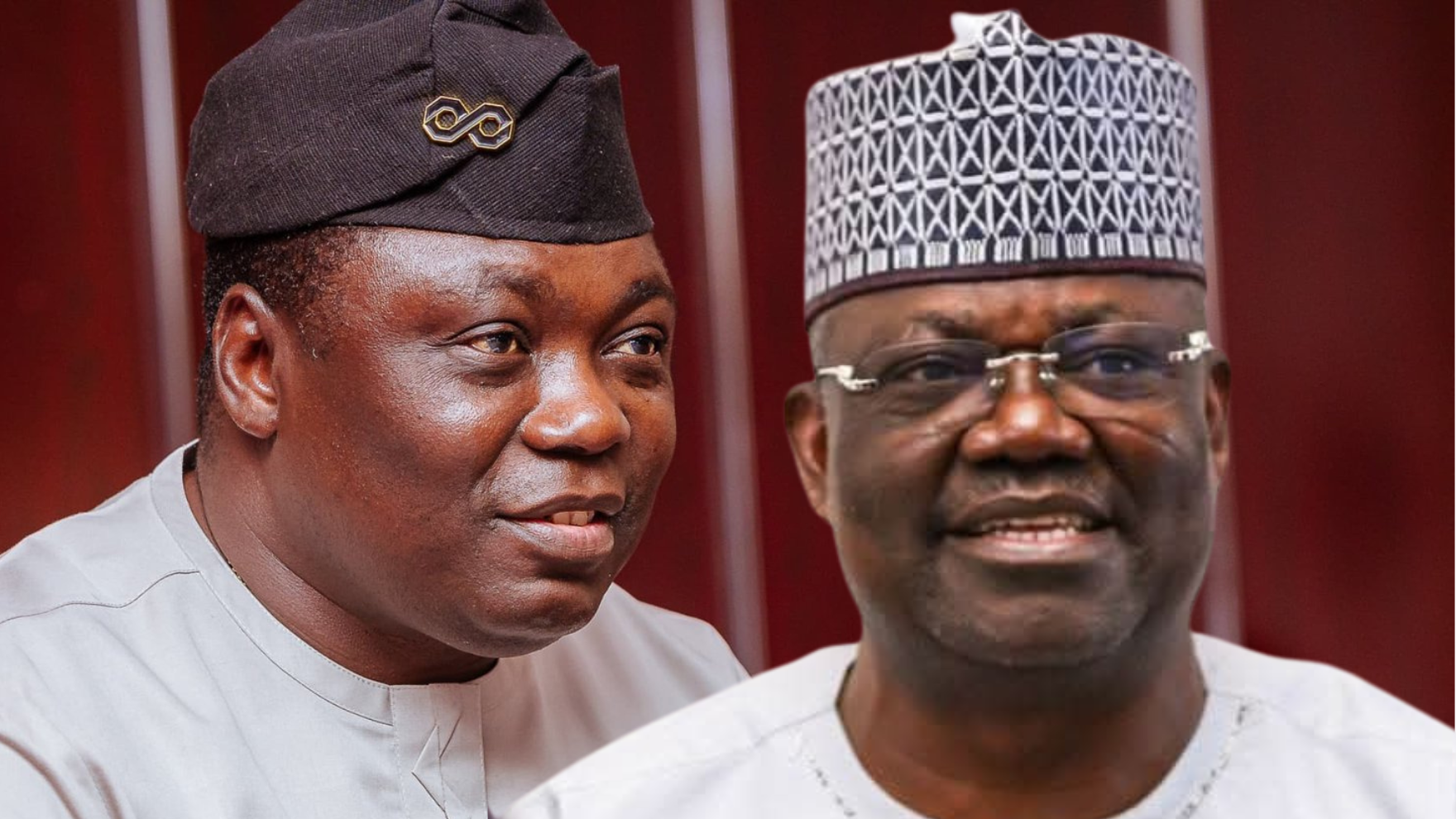
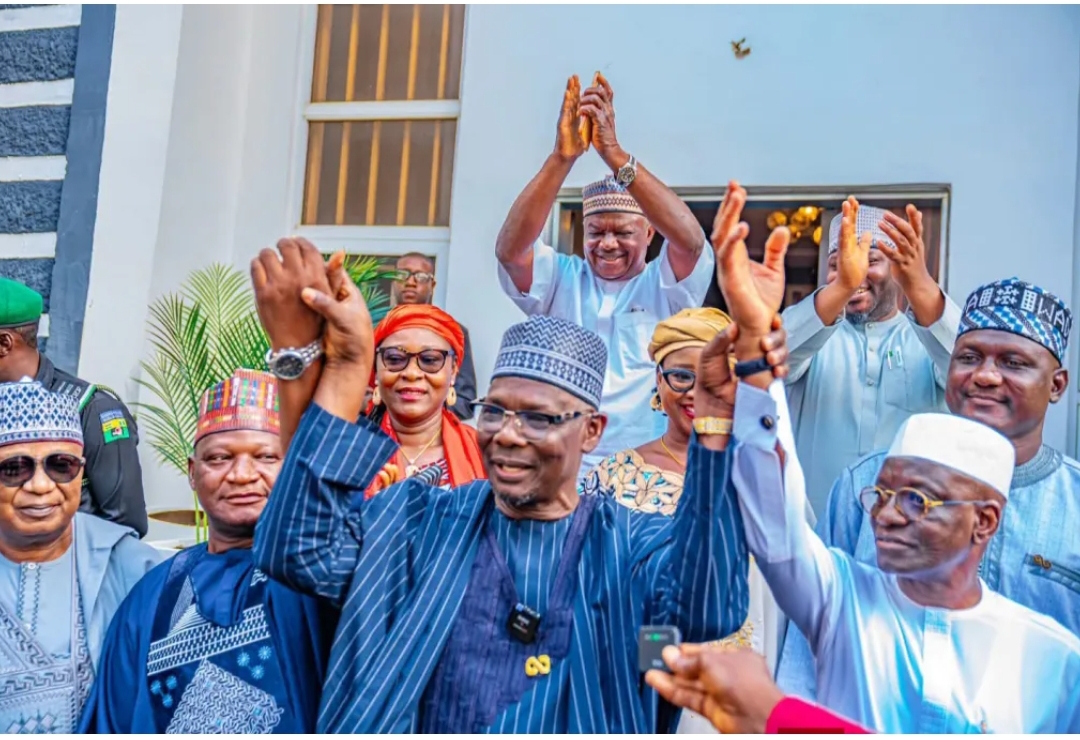
That is why the next few months are crucial for both party reconciliation and campaign mobilization.
The Sule factor
Governor Sule's political legacy is also linked to the outcome. His endorsement of Wadada as the APC's chosen successor helped him win the party primary. But now, the governor must deal with the results of that succession strategy.
The APC keeping Nasarawa will depend partly on preventing the primary from causing lasting divisions within the party. Recent reports have shown that the struggle over candidate selection has exposed tensions within the APC in Nasarawa.
A united APC would give Wadada a strong advantage. A divided party could give Adamu the opening he needs.
Umbugadu remains in the equation
The rise of Adamu does not push the PDP and its candidate, David Ombugadu, out of the race. Ombugadu is still a strong opposition figure after a tough challenge to Sule’s re-election in 2023. He got 283,016 votes, against the incumbent’s 347,209.
His challenge in 2027 will be to keep the PDP's support while taking advantage of any splits in the APC. But Adamu poses both a chance and a risk for the PDP. If Adamu mainly attracts APC supporters, Ombugadu could benefit from the ruling party's divisions.
If Adamu pulls in voters who would have backed the PDP, the SDP could weaken the opposition's chances. This means how Adamu’s support is spread out is more crucial than just how many votes he gets.
The geography of the race
The race will also depend on how the three major groups do across Nasarawa’s three senatorial districts. Wadada has the edge as he represents Nasarawa West in the Senate and won the APC primary statewide.
Adamu needs to show that his appeal goes beyond the networks tied to his past political roles. Ombugadu must protect the PDP’s existing support while trying to grow it.
The key could be each candidate's ability to form a coalition that crosses senatorial, ethnic, religious, and local-government interests. Choosing Adamu’s running mate could be especially vital in this.
Political analyst Ishaya Kuje noted that the contest is shaping up as a showdown between Wadada and Adamu. The choice of Adamu’s running mate could be a major turning point. An influential running mate from key voting groups, like the Gwandara or Gbagyi, could help Adamu broaden his coalition and split the Eggon vote that the APC seeks to consolidate.
The Eggon are significant in Nasarawa, especially around Nasarawa Eggon Local Government Area and nearby areas. Thus, picking a running mate is more than just balancing geography. It could affect how votes are shared among the major candidates.
The one who dominates his traditional stronghold might not be enough.
A battle over the APC’s political inheritance
Ultimately, the Nasarawa election is turning into a contest over who inherits the political legacy of the Sule administration. Wadada symbolizes continuity with the ruling APC and has the governor’s institutional backing.
Adamu symbolizes a break from the succession plan and is trying to create an alternative coalition outside the party. Al-Makura is a fascinating link between the two groups because he knows the APC from within and has shown he can build an opposition movement that defeats an incumbent.
His 2011 win over Doma does not guarantee history will repeat itself. But it reminds us that Nasarawa politics has seen major surprises.
Al-Makura was at the center of one of these surprises. This makes his role in the 2027 election more significant than just a former governor backing another candidate.
The political history of Nasarawa also provides another lesson for Adamu. Labaran Maku lost the PDP gubernatorial primary before the 2015 election and then ran under the All Progressives Grand Alliance (APGA). He got about 179,000 votes, finishing second to Al-Makura.
This shows that a politician who loses a major party primary can still carry a significant following to another platform. But it also highlights the limits of that strategy. Maku did not win.
He ran again in 2019 on the APGA ticket, getting 132,784 votes, finishing behind Sule of the APC and Ombugadu of the PDP. For Adamu, Maku’s experience is a clear lesson: leaving a major party can change an election without guaranteeing victory. He must show that his political base is broad enough to support a statewide campaign outside the APC.
Another potentially important factor is the relationship between the two Umbugadus in the contest.
Wadada’s running mate is Emmanuel Umbugadu, while David Umbugadu is the PDP governorship candidate. They are not related, but both come from Mada Station in Nasarawa Eggon Local Government Area.
Emmanuel Umbugadu is seen as generous and has strong grassroots ties in his community. His selection could help the APC gain significant support among local voters. This choice might also complicate David Umbugadu’s efforts to strengthen his position in an area he traditionally influences.
Political analyst Ishaya Kuje believes that Emmanuel’s arrival as Wadada’s running mate could impact David’s performance in his usual stronghold, especially with the emergence of retired General Nuhu Anbazo of the African Democratic Congress (ADC), another Eggon candidate.
This situation could turn the Eggon voters into a critical battleground instead of a guaranteed bloc for any candidate.
Kuje also thinks David Umbugadu might struggle to match the electoral strength that made him a tough opponent to Sule in 2023. He believes David’s brief shift to the APC before returning to the PDP hurt his support, especially among the Eggon and Gbagyi.
David left the PDP in February 2026, joined the APC, and then returned to the PDP in less than a month, citing political disagreements. Kuje also pointed out that Maku’s absence from David’s 2027 campaign team could be another setback.
Maku was David’s campaign Director-General in 2023 but is now backing Labour Party candidate Jonathan Gaza, who is Gbagyi. This situation could make David’s attempts to consolidate support in 2023 more complicated.
Kuje views David as more likely to play a spoiler role than a candidate able to win the election. He argues that David’s brief move to the APC was based on promises he thought he had received from the party, but he returned to the PDP after sensing foul play.
David’s goal in 2027 could be to deny the APC victory by splitting its votes in areas where the PDP remains strong. This ultimately depends on how much of David’s 2023 support remains and whether the PDP can rebuild its organization before the election.
The 2027 election will test not just the popularity of candidates but also the strength of the political networks behind them. For Wadada, the challenge is not just winning the general election. It is also keeping the ruling party united to avoid dismantling the coalition that helped him win the primary.
For Adamu, the challenge is proving that his political network can survive outside the APC. For Al-Makura, it is another test of whether the political machinery that once defeated a sitting governor can still influence Nasarawa.
For Emmanuel Umbugadu, his selection gives the APC a chance to boost its standing among the Eggon voters. For David Umbugadu, the task is to retain enough of his 2023 support to stay relevant while using the PDP platform to prevent the APC from winning decisively.
Finally, for Adamu, the next big decision could be crucial: who he picks as his running mate and whether that choice will help build the broader coalition needed to challenge the APC.
The 2027 Nasarawa governorship election may hinge not only on who has the best candidate but also on who can gather the most extensive political coalition and keep it intact until election day.

Drop your comment
No comments yet — be the first to drop the gist 👇