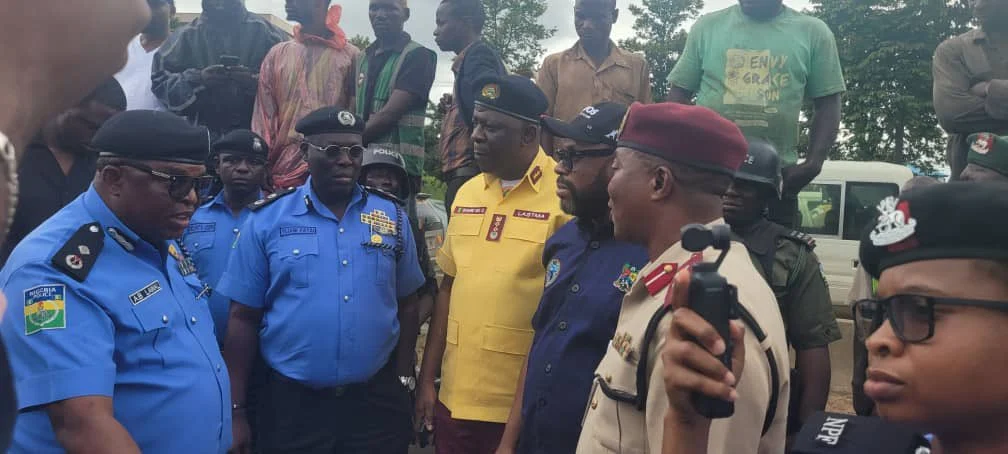
Many former political office-holders gathered at the Oba’s Complex, Oke-Mosan, Abeokuta to receive cheques that meant more than the amounts written on them. These cheques symbolized relief after years of waiting, recognition for their service, and the restoration of hope.
The Ogun State Government has paid ₦3.503 billion in outstanding severance allowances to former political office-holders across the state’s 20 local government councils and Local Council Development Areas. This payment is more than just another government expense. It shows the character of governance and the meaning of leadership.
The beneficiaries include former chairmen, vice-chairmen, secretaries to local governments, supervisors, special advisers, and councillors who served from 2016 to 2024. They have waited for years for their rightful entitlements. The payments cover 526 beneficiaries from the 2016, 2019 tenure and 516 from the 2020, 2024 tenure.
For many, the long wait had made them lose hope that they would ever receive the money. Then the government stepped in.
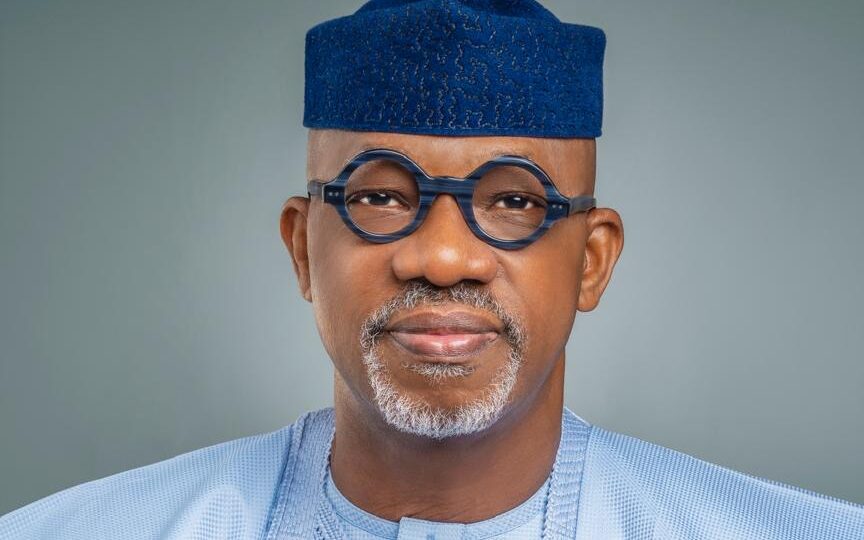
Instead of letting the obligation fade away, Governor Dapo Abiodun’s administration verified the claims and paid the verified amounts. This decision is more than just about the money.
People often talk about government in terms of roads, bridges, and schools. Those things are important. But there is a less visible side to governance. It is what government does for people whose immediate needs do not grab headlines. The former local government office-holders fall into that category.
They served their communities, left office, and waited for what was due to them. For years, their claims stayed unresolved. By the time the cheques arrived, some had given up hope.
Emiola Ghazal, a former Chairman of Ijebu Ode Local Government, expressed the moment's emotion.
"This is unprecedented in Ogun State. We never believed a government could take responsibility for entitlements owed by its predecessor despite what the predecessor put the governor through. The governor is truly a promise keeper."
Another beneficiary, Okunade Adebayo, along with Hon. Abosede Balogun, praised the government for showing that it had not forgotten the contributions of former political office-holders to grassroots development. They also commended the Ministry of Local Government and Chieftaincy Affairs for a fair and orderly process.
Ghazal further called Governor Abiodun "a leader with the milk of human kindness.” That statement might seem simple, but it captures what happened at Oke-Mosan.
Being a leader is not just about making hard choices when the spotlight is on. It is also about making responsible decisions when the beneficiaries may no longer have the political clout they once did.
In this case, the government could have allowed an inherited issue to remain unresolved. Instead, it chose to settle the verified claims.
This is the meaning of responsible governance. The payment also fits into a bigger picture of an administration that mixes social responsibility with long-term economic growth.
Abiodun’s time in office has included programs and policies aimed at boosting Ogun’s economy, improving infrastructure, attracting investments, and creating opportunities for young people. This positions the state as a key place for local and foreign capital.
This economic agenda is important. A state cannot meet its obligations to its people without growing its economy.


The idea is simple: care for the people today while building an economy that can support future generations.
This is why the severance payment should be seen as part of a larger development strategy.
The same government that is pushing for investments and economic growth is also handling past obligations to those who served at the grassroots level. One focuses on the future, while the other honors the past. Both are key parts of responsible leadership.
There is also a lesson here. Public administration should not assume that every new government clears past debts. Legitimate obligations do not disappear just because the administration that created them is gone. Verified obligations must be addressed by the government.
This principle guided the administration’s decision to verify claims with the Ministry of Local Government and Chieftaincy Affairs, the State Audit Department, and the Local Government Service Commission.
The process mattered because compassion in government must be paired with accountability. It is not enough to say people deserve payment; the claims must be verified and properly documented. Ogun's approach aimed to balance both.
For the beneficiaries, the verification process was secondary to the result. They received their money.
For some, it will pay off debts. For others, it will support families, businesses, or long-awaited commitments. For many, the greatest value is knowing that after years of uncertainty, the government eventually honored what they believed they were owed. That is why the emotional response to the payment has been so strong.
The ₦3.5 billion amount is significant, but what it shows about the relationship between government and citizens is even more important.
It says that service should matter. It says legitimate obligations should not be forgotten. It says that inherited problems can be solved instead of ignored.
And it says that good governance must be compassionate. The beneficiaries have urged current political leaders to stay committed to quality service. They hope policies that support workers and stakeholders will continue.
Their message is a fitting end to this story. A government builds infrastructure to connect people to opportunities. It builds schools and healthcare to improve lives. It attracts investments to create jobs and boost prosperity.
But sometimes, leadership is simply about bringing a smile to someone who has stopped expecting one.
At Oke-Mosan, that is what the ₦3.503 billion severance payment meant for over a thousand former local government political office-holders. It was not just a payment. For many, it was a restoration of hope.
Drop your comment
No comments yet — be the first to drop the gist 👇