For years, African teams have come to the FIFA World Cup with high hopes, only to leave disappointed. There have been amazing moments, surprising wins, and standout players, but the continent has struggled to show the consistent performance needed to compete against the top teams in football.
At the 2026 FIFA World Cup, this story changed completely.
The new 48-team tournament gave Africa its biggest chance ever on the world stage, and the continent took full advantage. Nine out of Africa’s ten teams moved past the group stage. This is the best overall performance by African nations in World Cup history.
From Morocco’s strong play to Cape Verde’s thrilling debut, South Africa’s historic achievement, Egypt’s long-awaited World Cup win, and DR Congo’s emotional return, Africa left the group stage not as underdogs but as serious contenders.
Morocco Sets the Bar for Africa
Morocco had high expectations going into the tournament.
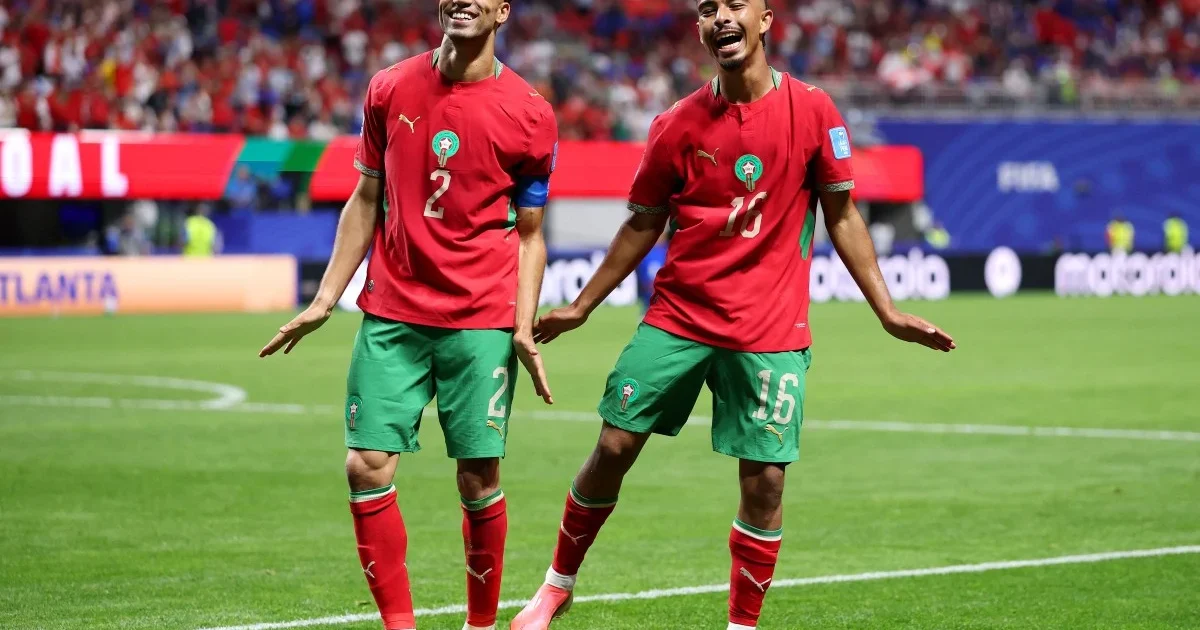
After making history as Africa’s first semi-finalists in Qatar four years ago, the Atlas Lions showed their success was no accident with a strong group stage performance.
Mohamed Ouahbi’s team started with a solid 1-1 draw against five-time champions Brazil, then earned a disciplined 1-0 win over Scotland.
Their toughest match was against Haiti, where Morocco fell behind twice but showed the fighting spirit of this generation.
Goals from Achraf Hakimi, Ismael Saibari, Soufiane Rahimi, and Yassine Jassim led to a thrilling 4-2 comeback win, giving them seven points from three games.
Brazil took first place on goal difference, but Morocco’s unbeaten run showed why they are now seen as Africa’s standard on the big stage.
Cape Verde Captivates the World
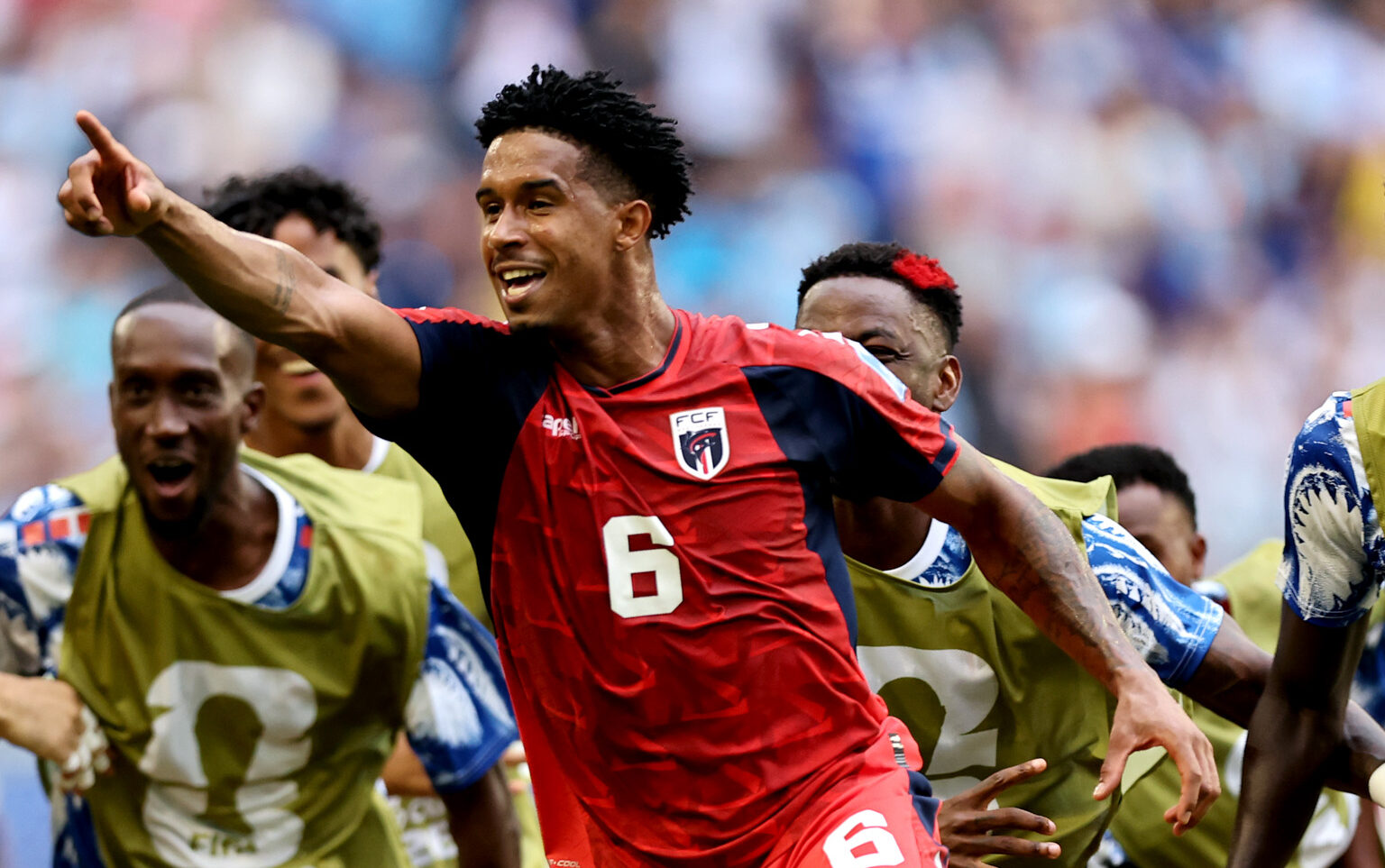
Cape Verde told the most exciting story of all African teams. In their World Cup debut, this small island nation was not afraid of the big teams.
They began with a fantastic goalless draw against Spain and then held two-time world champions Uruguay to a thrilling 2-2 draw, coming back twice in the match.
The emotional scenes after that game showed just how much this tournament means to Cape Verde.
Goalkeeper Vozinha’s mother, Ana Candida Evora, traveled outside Cape Verde for the first time to support her son.
“I didn’t even have a passport,” she said after witnessing that historic night.
“I am proud of Cabo Verde.”
The Blue Sharks finished their magical group stage with another strong draw against Saudi Arabia, going unbeaten and sending Uruguay home.
For a nation of just over half a million people, this is one of the greatest feats in African football history.
South Africa Breaks Their World Cup Barrier
South Africa entered the tournament with a lot of pressure.
Bafana Bafana had never moved past the group stage in past tournaments, and their hopes seemed dashed after a 2-0 loss to hosts Mexico.
But Hugo Broos’ team bounced back strongly. A disciplined draw against the Czech Republic restored their belief. Then Thapelo Maseko’s goal against South Korea secured the most important win in South African World Cup history.
The celebrations showed years of frustration turning into joy, and coach Hugo Broos later said his close bond with the players played a big part in their success.
“I’m not just their coach,” he said.
“I think I’m their friend.”
That connection has made South Africa one of the tournament’s surprises.
Egypt Earns Their First Win in 92 Years
Few moments touched hearts across Africa like Egypt’s historic win over New Zealand.
The Pharaohs had been at World Cups since 1934 but had never won a match before this. That sad record changed after they opened with a tough draw against Belgium and then produced a strong second-half to beat New Zealand 3-1.
Mohamed Salah led the comeback, scoring his 68th international goal and getting close to matching Hossam Hassan’s all-time scoring record.
The Liverpool star called the win one of the best moments in Egyptian football history. Egypt then secured qualification with another solid draw against Iran, moving to the knockout stage unbeaten with 5 points, the same as group leaders Belgium.
DR Congo Makes a Strong Comeback
After years away from the big stage, DR Congo reminded everyone of their status as one of Africa’s traditional powers.
The Leopards held Portugal to a strong 1-1 draw before a narrow loss to Colombia. Then, with qualification on the line, they delivered one of the best performances of the tournament.
Coming from behind, DR Congo beat Uzbekistan 3-1 to reach the knockout rounds for the first time in their history.
For a nation returning to the World Cup after over fifty years, this result was full of meaning and hope.
Ivory Coast Shows Maturity
Ivory Coast proved once again why they are becoming one of the continent’s strongest teams.
A dramatic win over Ecuador gave the Elephants a great start, but a close loss to Germany almost derailed their campaign.
Instead of giving up, they responded well.
A win over Curaçao clinched their qualification and showed the growth in Emerse Faé’s talented squad.
Ghana Fights Through
Ghana’s campaign showed the resilience that has always defined the Black Stars, which had been missing but returned during this tournament.
They started with a win over Panama and frustrated England in a goalless draw that highlighted their strong defense.
Although Croatia beat them in the final group game, Ghana did enough to qualify as one of the best third-placed teams.
It may not have been flashy, but it was effective, which is what mattered most.
Algeria Refuses to Give Up
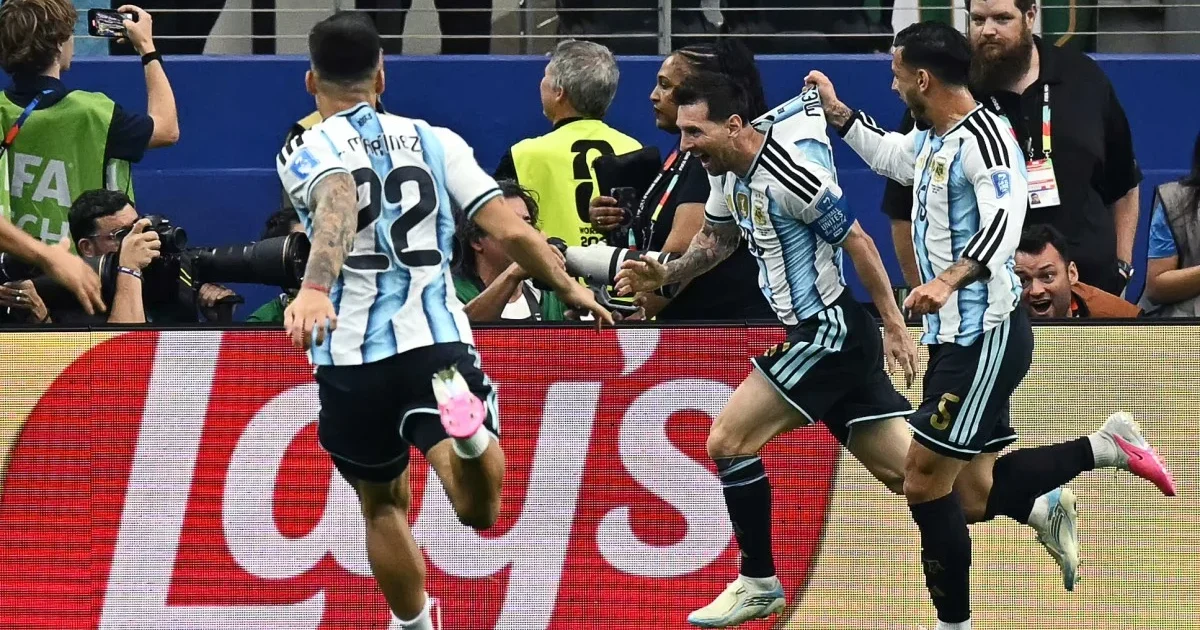
After a rough start with a heavy loss to Argentina, Algeria seemed headed for early elimination.
But they found their fighting spirit again, winning against Jordan before an exciting 3-3 draw with Austria secured their spot.
With Mahrez showing his best form, it reminded everyone that experience is key at World Cups.
Senegal Survives Against the Odds
Few teams faced more ups and downs than Senegal. Losses to France and Norway left the Teranga Lions on the brink of elimination.
But then they delivered one of the tournament's biggest surprises, destroying Iraq 5-0 in their last group match. This was the largest World Cup win by an African nation.
That stunning victory pushed them into the knockout rounds on goal difference and restored hope that this talented generation has more to offer.
Tunisia Faces Disappointment
Tunisia was the only African team that could not keep up with the continent’s impressive performance at this World Cup.
Heavy losses to Sweden, Japan, and the Netherlands exposed their defensive issues.
Their disappointing run led to the firing of coach Sabri Lamouchi before the tournament ended, but the new coach could not solve the team’s problems.
This was a painful reminder that while Africa has progressed, keeping high standards is still very important.
A New Era for African Football
For years, African football has talked about its potential, and at the 2026 FIFA World Cup, that potential finally showed in results.
Nine teams reached the knockout stage; historic moments were achieved; records were broken; traditional powers were challenged; and, most importantly, African teams are no longer just happy to compete.
Morocco openly talked about winning the World Cup, South Africa chased history without fear, Cape Verde stood tall on the world stage, Egypt found renewed belief, and Senegal showed they will not give up.
The group stage was not just Africa’s best World Cup performance ever. It was a sign that the continent has entered a new chapter.
The knockout rounds now offer a chance to turn this great group stage into the best story African football has ever told.
At this rate, anything is possible!

Drop your comment
No comments yet — be the first to drop the gist 👇