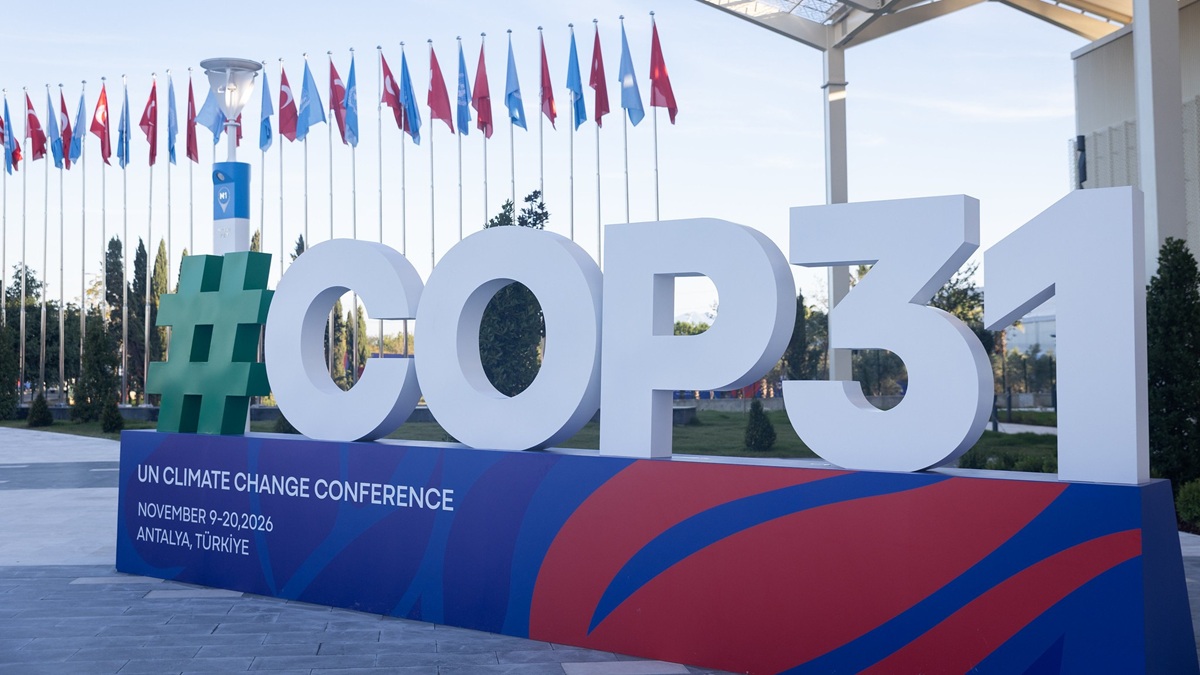
African civil society groups on Wednesday urged rich countries to turn climate promises into real money and action. They warned that COP31 might end without real help for vulnerable communities.
The groups, part of the Pan African Climate Justice Alliance (PACJA), said the talks in Antalya, Turkey, showed a growing gap between what is promised and what is done.
“The climate crisis is no longer a crisis of ambition. It is a crisis of delivery,” they said in a statement called “From Promises to Proof: Our Call in Antalya.”
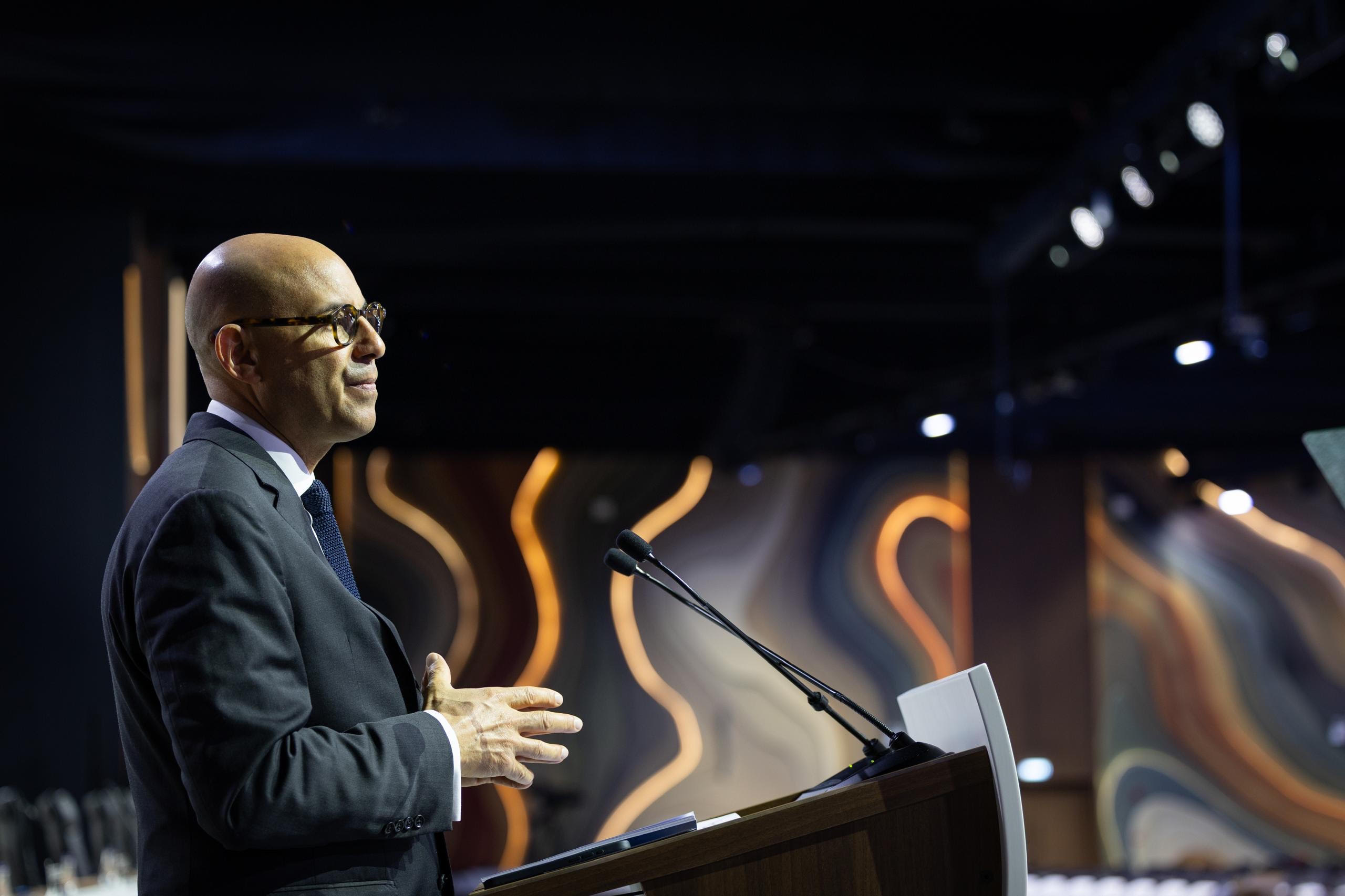
Augustine Njamnshi, who chairs the Political and Technical Affairs Committee of the PACJA Board, read the statement at a press conference to review the talks. This happened just two days before the talks were set to close.
COP31 is stuck on issues like climate finance, fossil fuels, and a fair transition. The presidency noted that 21 issues remain unresolved. Revised texts for negotiations are expected early Thursday, ahead of Friday’s planned close.
A draft agreement shared on Monday aimed for stronger action to move away from fossil fuels. It also suggested tripling adaptation finance to at least $120 billion every year by 2035, as reported by PREMIUM TIMES. But neither of these proposals has been accepted, and disagreements continue over funding amounts, contributors, and whether to use grants or loans.
The groups pointed out that African communities are already facing droughts, floods, food shortages, and displacement. This is happening even though they have contributed little to climate change causes.
“The credibility of this COP will, therefore, not be measured by speeches, declarations or catchy headlines. It will be measured by whether those most responsible for the climate crisis deliver action, finance and accountability at the scale required,” they stated.
The groups also called on wealthy countries and major polluters to clarify how much they plan to cut fossil fuel use, when they will do it, and how progress will be checked.
They warned against using flexible terms in previous agreements and voluntary initiatives to delay action. They argued that ongoing public funding for fossil fuels, new oil and gas projects, and subsidies are not in line with climate leadership.
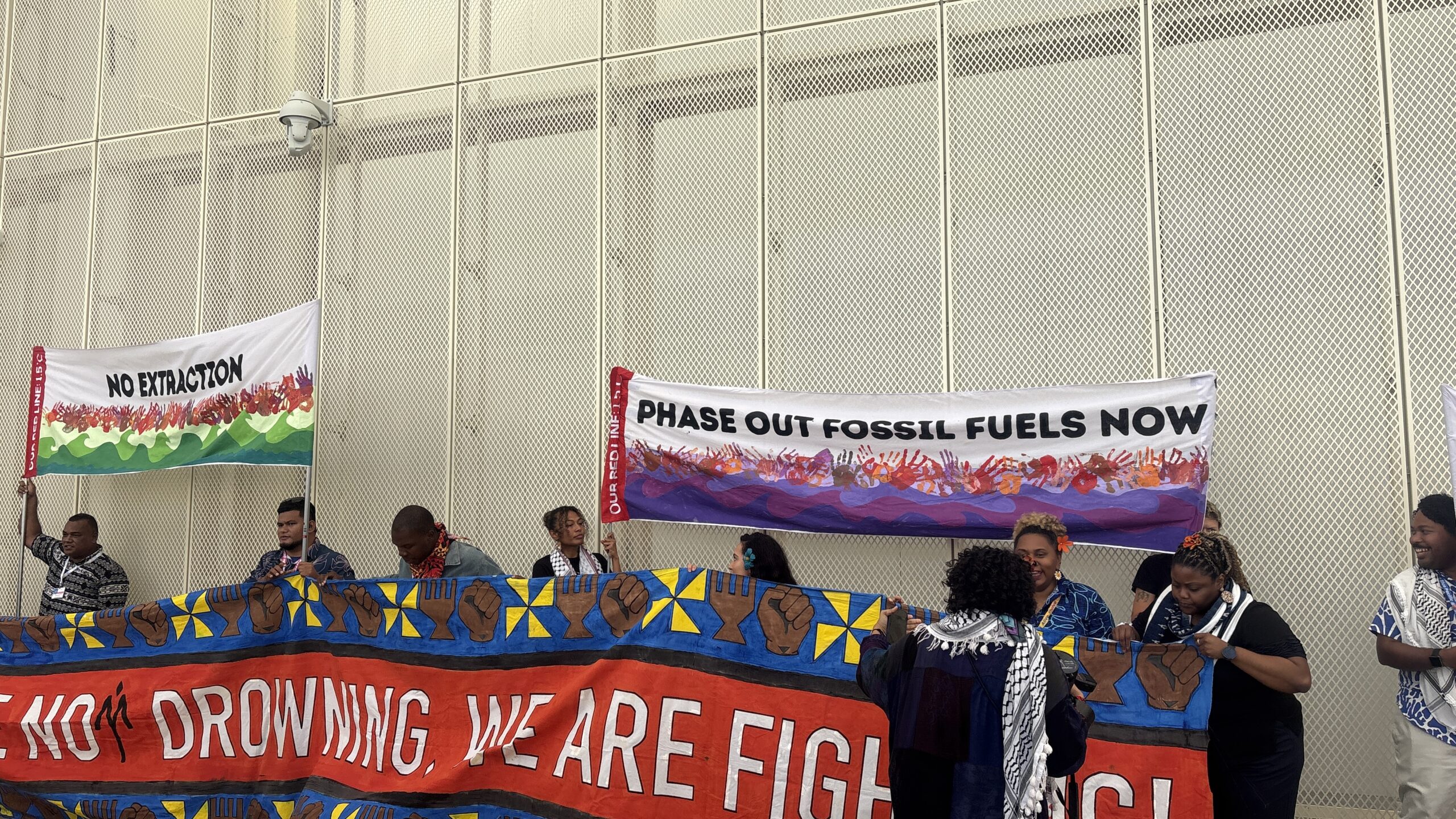
Countries that contribute most to emissions and have the strongest abilities to act should take on the most responsibility, they said.
The groups see climate finance as a key test of trust in the talks and reject the idea that it is just charity.
“Climate finance is an obligation grounded in responsibility, equity and commitments already made under the Convention and Paris Agreement,” their statement said.
They also criticized what they see as developed countries’ focus on a finance work programme that only serves as a discussion platform, with non-binding results and no new financial commitments.
The financing gap reflects political choices rather than just a lack of resources. They warned that borrowing to deal with climate effects is putting more financial pressure on African countries.
The groups called for policies that enhance electricity access, support green industries, create jobs, and boost resilience.
“Africa does not seek permission to develop. We seek a fair opportunity to develop differently,” the statement noted.
As COP31 wraps up on Friday, November 20, PACJA urged governments to focus on decisions that improve life for affected communities. They added that the true measure of COP31’s success will be in delivering policies focused on people, not just more promises.
Drop your comment
No comments yet — be the first to drop the gist 👇