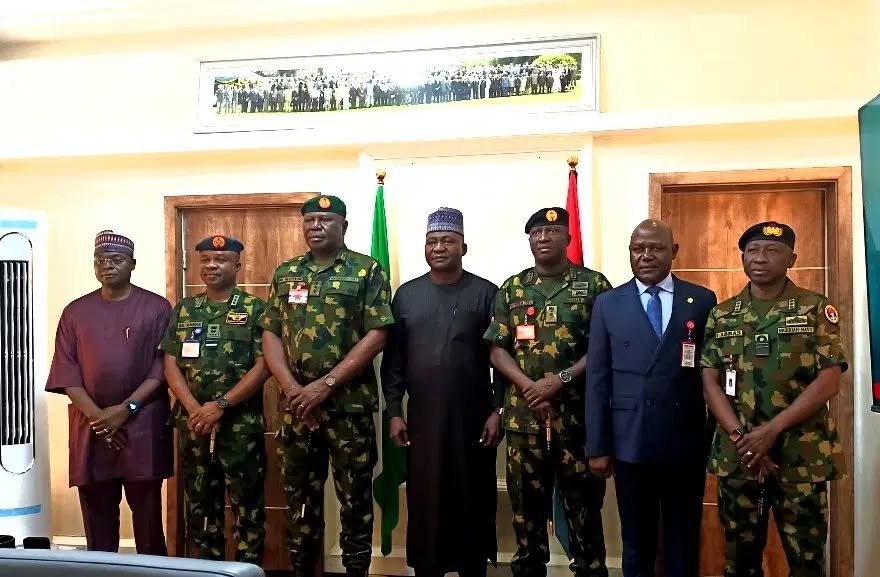
African security leaders are worried about how terrorists use digital technologies and social media. This is especially true in ungoverned areas of the Sahel and West Africa.
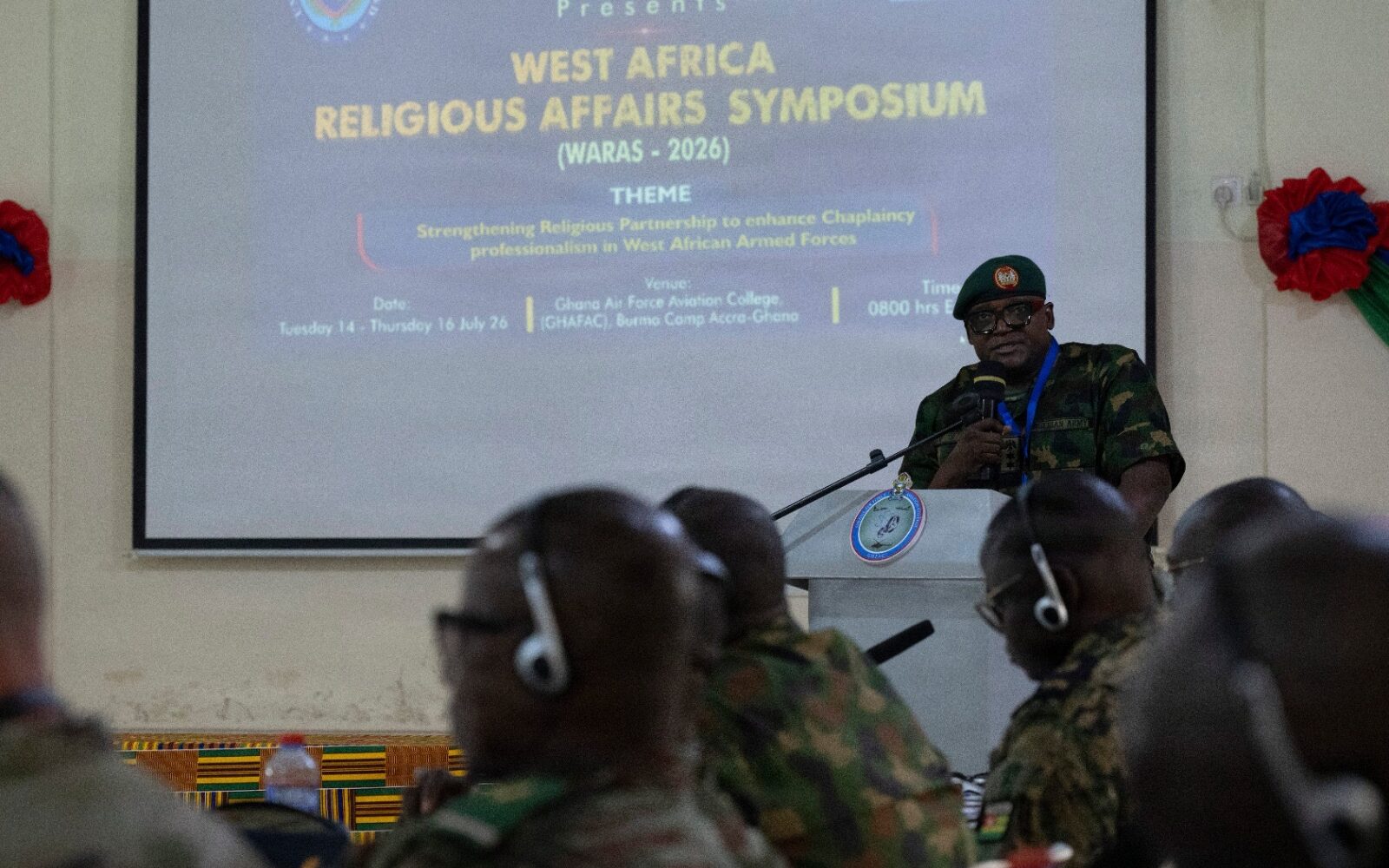
The security heads shared their worries on Tuesday at a three-day conference. The focus was on finding ways to detect and stop terrorists from using information and communication platforms and new technologies.
Participants came from many places, including the African Union (AU), the Economic Community of West African States (ECOWAS), and the Multinational Joint Task Force (MNJTF).
Idriss Lalalli, who acts as the director of the AU Counter-Terrorism Centre, pointed out the growing digital activities of Islamic State and al-Qaeda groups in the area.
Reports say that groups like Islamic State Sahel Province (ISSP), Islamic State West Africa Province (ISWAP), Jama’at Nusrat al-Islam wal-Muslimin (JNIM), and Boko Haram are strengthening their hold in the Sahel and Lake Chad region. They are using new tech in a fight that is already stretching state and regional forces too thin.
For example, JNIM has carried out several drone attacks in the Sahel. Their first AI-driven drone attack hit military positions in Bandiagara, Mali, in 2023. The ISSP also used a drone for the first time in its attack on Niamey airport earlier this year.
These groups are using digital platforms for propaganda and recruitment. They are gaining control of territories and winning over people beyond their physical bases. Mr Lalalli said this trend poses threats faster than security forces can respond.
"Across West Africa and the Sahel today, ISWAP, Boko Haram and JNIM are extending their reach through technology," Mr Lalalli said. "They recruit on social media platforms, move and hide money using mobile money, gift cards and cryptocurrencies."
The regional defense chief claimed these terrorists buy weapons on "darknet marketplaces," operate drones, communicate through satellite links, and use AI to create propaganda and avoid detection.
"What makes this difficult is speed and cost," he added. "A [terror] cell with a modest budget can now reach audiences far beyond its physical presence and move faster than our procedures can respond."
Mr Lalalli stressed the need for special training, better regional coordination, and stronger ties with private sector players.
Nigeria’s National Security Adviser (NSA), Nuhu Ribadu, also spoke about how new technologies are complicating Africa’s security issues.
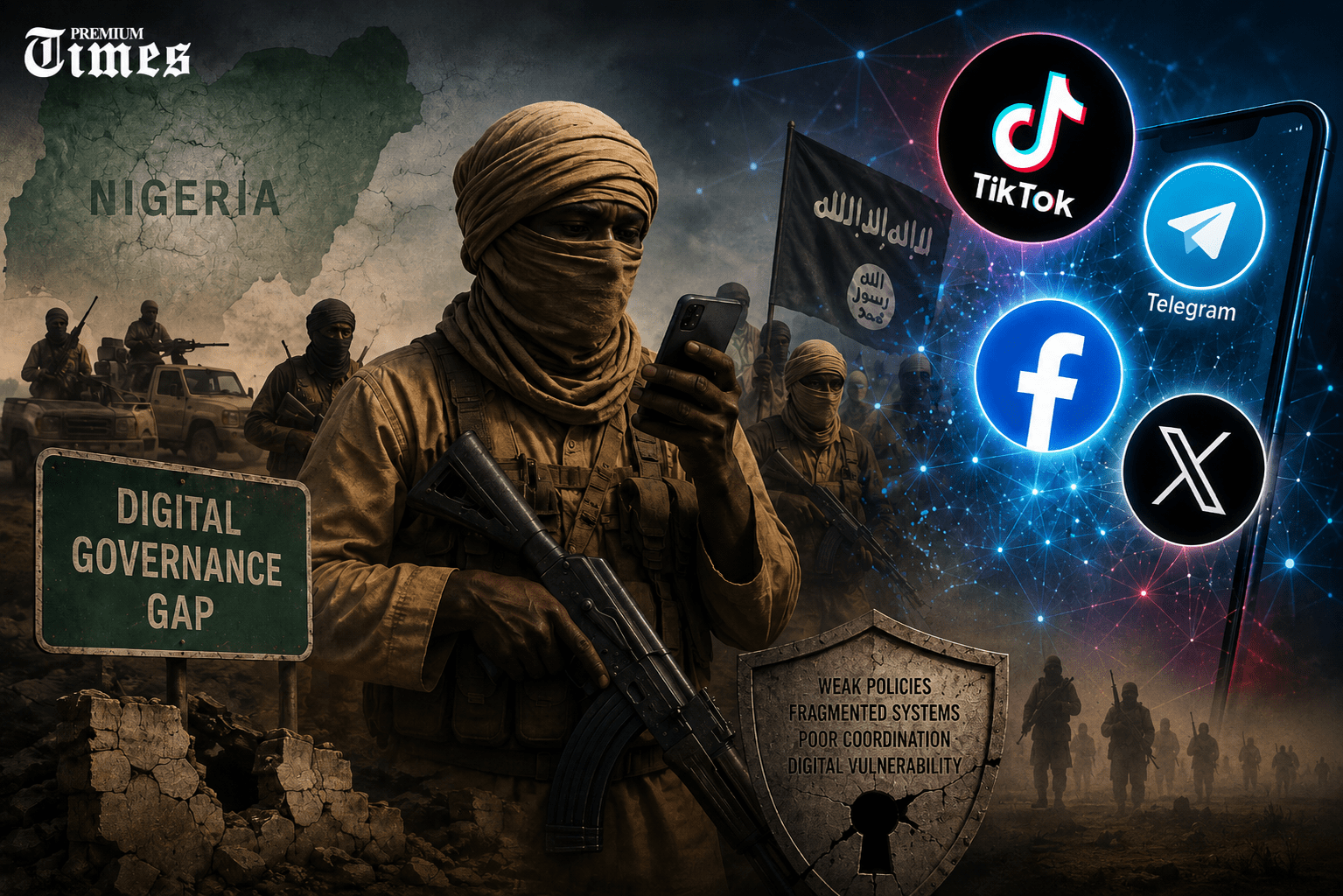
Represented by Adamu Laka, who coordinates the National Counter Terrorism Centre (NCTC), Mr Ribadu said AI-generated content, drones, and autonomous systems can boost operational abilities. He pointed out that these tools could also open up new ways for funding terrorism.
"We must, therefore, strengthen our ability to anticipate, detect, analyze and disrupt threats before they happen," the NSA advised.
Mr Ribadu emphasized that Africa needs not just advanced equipment but also technical know-how, coordination, and cooperation among security agencies.
He urged West African and Sahelian countries to boost cross-border intelligence sharing and quickly share useful cyber threat information.
"Nigeria recognizes that no institution, country or sector can defeat terrorism alone," he said.
The NSA added that Nigeria is working with the African Union Counter-Terrorism Centre to get the NCTC recognized as a regional center of excellence for counterterrorism in West Africa and the Sahel.
Mr Lalalli mentioned that the conference would teach participants about cyber threat intelligence, open-source intelligence, digital forensics, and blockchain analysis. This training will help them track online recruitment, preserve digital evidence, and trace cryptocurrency transactions.
He said these skills are important to improve investigations and prosecutions.
The AU official also called for better collaboration with social media companies, telecom operators, and financial services. He pointed out that terrorists often misuse privately owned infrastructure.
"You will leave as this continent’s first group of trainers in this area. You will not just take a certificate home, but also a responsibility. The Centre will support you. But it is up to you to multiply this knowledge," he said.

Drop your comment
No comments yet — be the first to drop the gist 👇