As the United States remembers the 25th anniversary of the 11 September attacks, one key lesson from Africa is clear: terrorist threats often do not start with an attack on the US. They begin much earlier. Armed groups recruit members, find funding, move through poorly governed areas, access technology, intimidate communities, and build networks across borders.
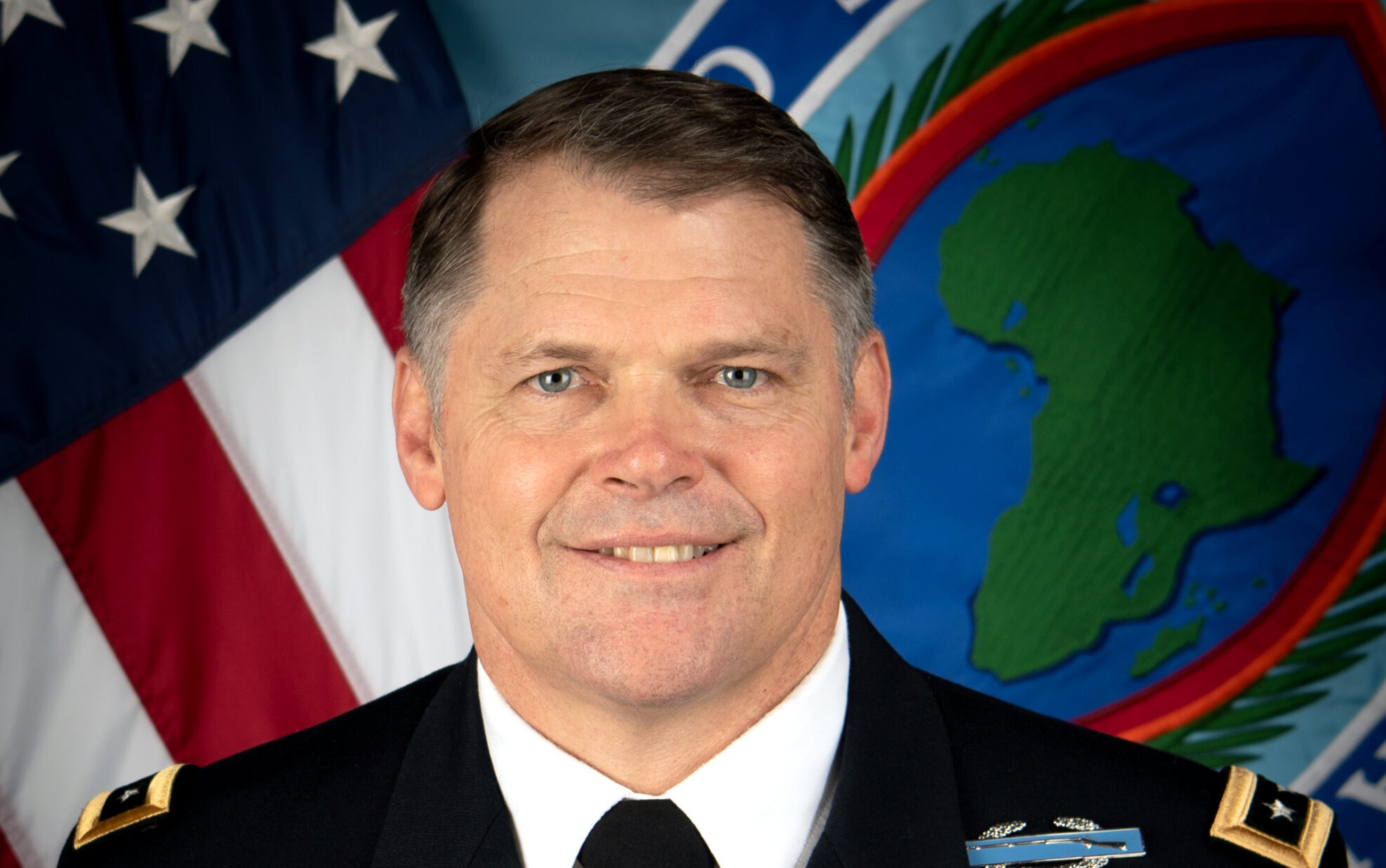
This is how John Brennan Jr., the Deputy Commander of the United States Africa Command, sees Africa’s current security situation. Mr Brennan is a lieutenant general in the US Army and has spent three decades working in special operations. He has a strong background in counterterrorism and irregular warfare. His job gives him insight into how the US evaluates armed groups, partners with African nations, and decides when a local conflict might have wider implications.
Just days before the anniversary of 9/11, Mr Brennan described African jihadist groups as more adaptable, more deadly, and better at using technology and resources than they were right after 9/11. “The number of terrorist fighters, their lethality, their ability to use technology and resources is alarming in Africa, and they’re like water,” he said. “They go the path of least resistance and expand where they are not under CT pressure.”
This assessment carries significant meaning for Nigeria and West Africa. It shows that the key security question is not just about where attacks happen today. It is also about where armed groups are getting stronger and preparing to strike elsewhere tomorrow.
The Sahel is still one of the worst areas for jihadist violence. Burkina Faso often ranks high among the countries most affected by terrorism, while Mali is seen as critical due to JNIM’s regional influence and its ability to disrupt roads, supply chains, and government authority.
But Africa’s terrorist threats are not just in the Sahel. In East Africa, Al-Shabaab and ISIS-Somalia remain serious threats. In Mozambique, Islamic State Mozambique has changed its tactics with attacks on roads, fishing communities, forests, and mining areas. In the eastern Democratic Republic of the Congo, ISIS-DRC, also known as the Allied Democratic Forces, has taken advantage of farms, forests, mines, and transport routes.
These regions have different histories, armed groups, and economies. Still, they share a common worry: violent extremist groups are getting better at using geography to their advantage. Mr Brennan noted that these groups are also becoming more connected. “It is much more interrelated and much more complex than just going after a single group at a single time,” he said.
For US counterterrorism planners, this means looking beyond just individual attacks or groups. The movement of recruits, money, propaganda, weapons, technology, and tactics may be as crucial as the location of specific battles. This explains why East Africa gets special focus in the US threat assessment.
“Our priority is obviously where there’s threats to the homeland, and they come right now from East Africa,” Mr Brennan said. “Preventing these potential attacks is our number one job, full stop.”
This does not mean the Sahel is less important. It shows that the global map of terrorist violence and the US threat map do not always match. A conflict can hurt local communities and be strategically important to Africa without being an immediate threat to the US. The US changes its focus when local conditions support attacks beyond the immediate area, like through money, training, or sleeper networks.
“When we see those threats start to grow, that’s when we have to take action,” Mr Brennan said. The 25th anniversary of 9/11 highlights this concern. The attacks in 2001 showed what could happen when a terrorist group has time, money, leaders, and a safe space to prepare. The lesson for Africa is that warning signs often appear before a final attack.
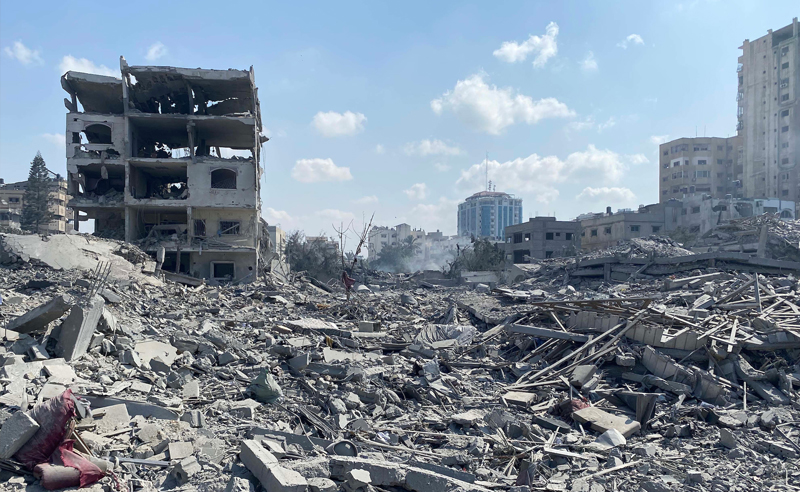
The US approach is selective. It aims to use capabilities that African partners might lack, such as intelligence, surveillance, and special operations, while helping local forces deal with wider networks causing insecurity. This strategy was evident in two US airstrikes against al-Shabaab in Somalia on 4 September and 5 September. One strike was about 175 kilometers west of Mogadishu, and the other was near Quumbi, about 75 kilometers north-north-west of Kismayo. AFRICOM stated that these operations were carried out with Somali partners to reduce al-Shabaab’s threat to US forces and citizens.
These strikes are part of a broader strategy to disrupt threats before they can grow, relying on African forces for long-term security. This partner-focused approach was also seen during Mr Brennan’s recent visits to Angola and Ghana with Assistant Secretary of War Daniel Zimmerman. In Luanda, they attended the second Joint Angolan-American Defence Cooperation Committee meeting. In Accra, they discussed security issues.
Ghana is particularly relevant for Nigeria. Its position on the southern edge of the Sahel and the Gulf of Guinea makes it a region of interest for Abuja. For Nigeria, stronger US-Ghana cooperation could help in areas like intelligence-sharing, maritime awareness, and tracking terrorist movements.
The US Embassy in Ghana described this partnership as involving joint exercises, summits for African land and maritime forces, medical exchanges, and military education. Angola offers a different but valuable aspect of US engagement. It strengthens US defense ties in Southern Africa and increases the number of African partners discussing regional security.
Mr Brennan also connected counterterrorism to what he called “defence economics.” This involves using economic methods to look at national defense. It includes how security relates to investment, trade, technology, and African states' ability to maintain security.
“Security leads to economic investment,” he said. This point is important for Nigeria and other African countries facing terrorism, kidnapping, and youth unemployment. Economic opportunities do not automatically stop extremism. But when young people lack options, armed groups can provide income, identity, and status.
“What concerns me are narco states popping up with terrorists that are basically the enforcers,” Mr Brennan said. This warning highlights a future where terrorist and criminal networks support each other in poorly governed areas.
Twenty-five years after 9/11, the key measure of counterterrorism success may be whether governments and their partners can spot threats before they escalate into international crises. For Nigeria, this means linking national counterterrorism efforts to broader intelligence, border, and financial cooperation systems. For the US, it means using force carefully while helping African partners build the strength to maintain security gains.
The aim is not just to hit where terrorists are visible. It is to understand where they are gaining the ability to recruit, move, and finance themselves, and take action before they become a bigger threat.

Drop your comment
No comments yet — be the first to drop the gist 👇