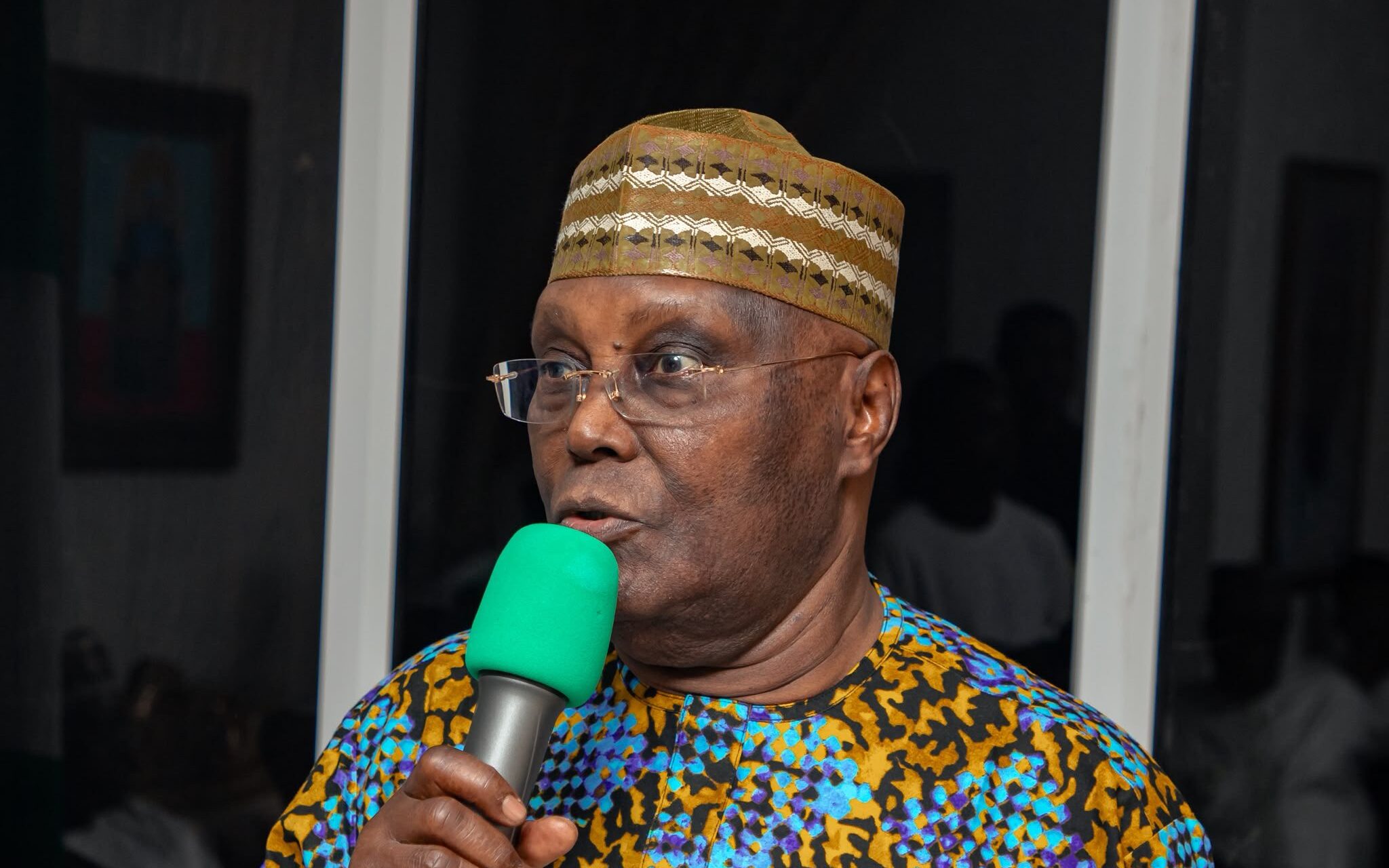
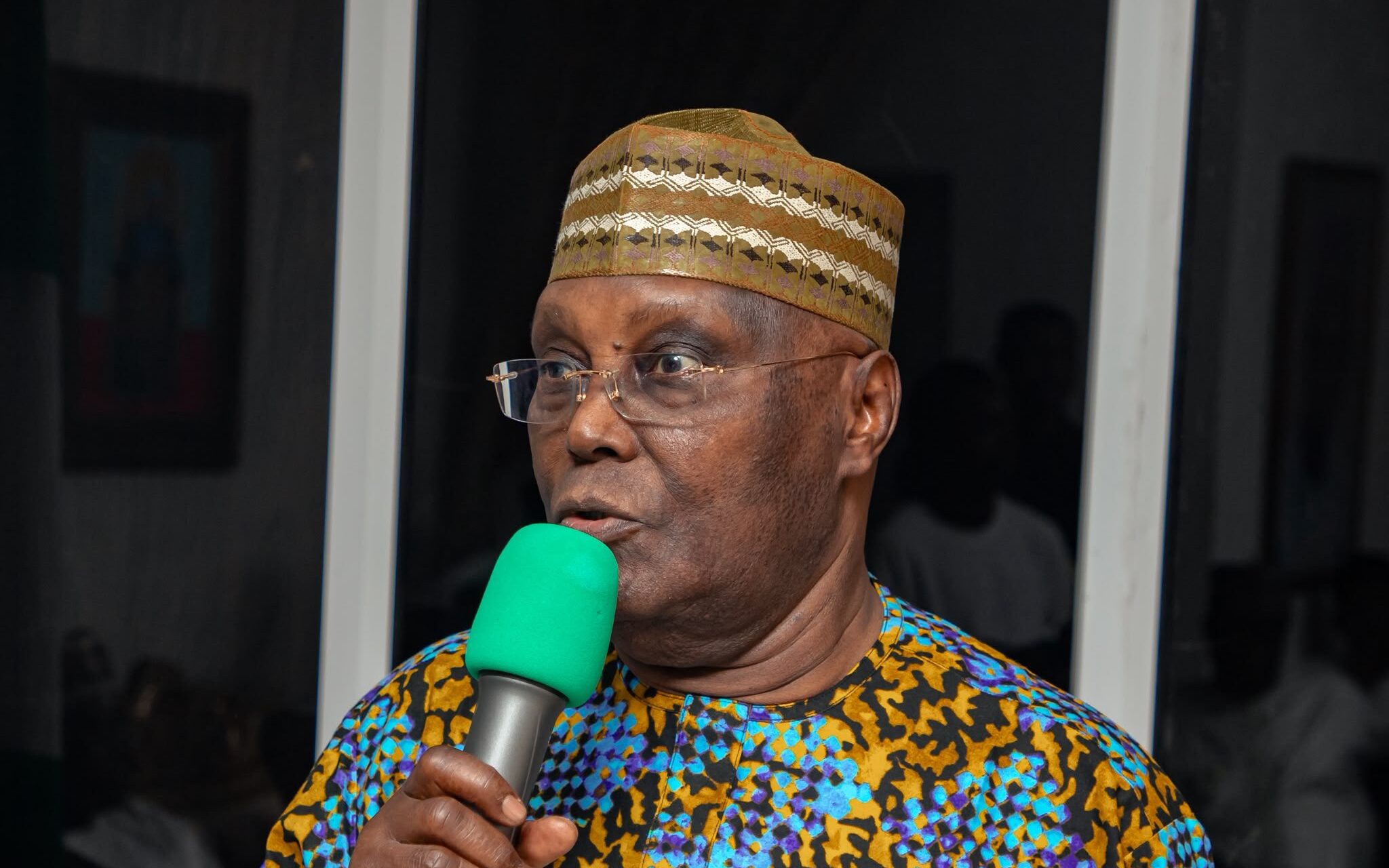
The All Progressives Congress Presidential Campaign Council (APC-PCC) has asked former Vice-President Atiku Abubakar to explain how he plans to fund his proposed subsidy for locally refined petrol.
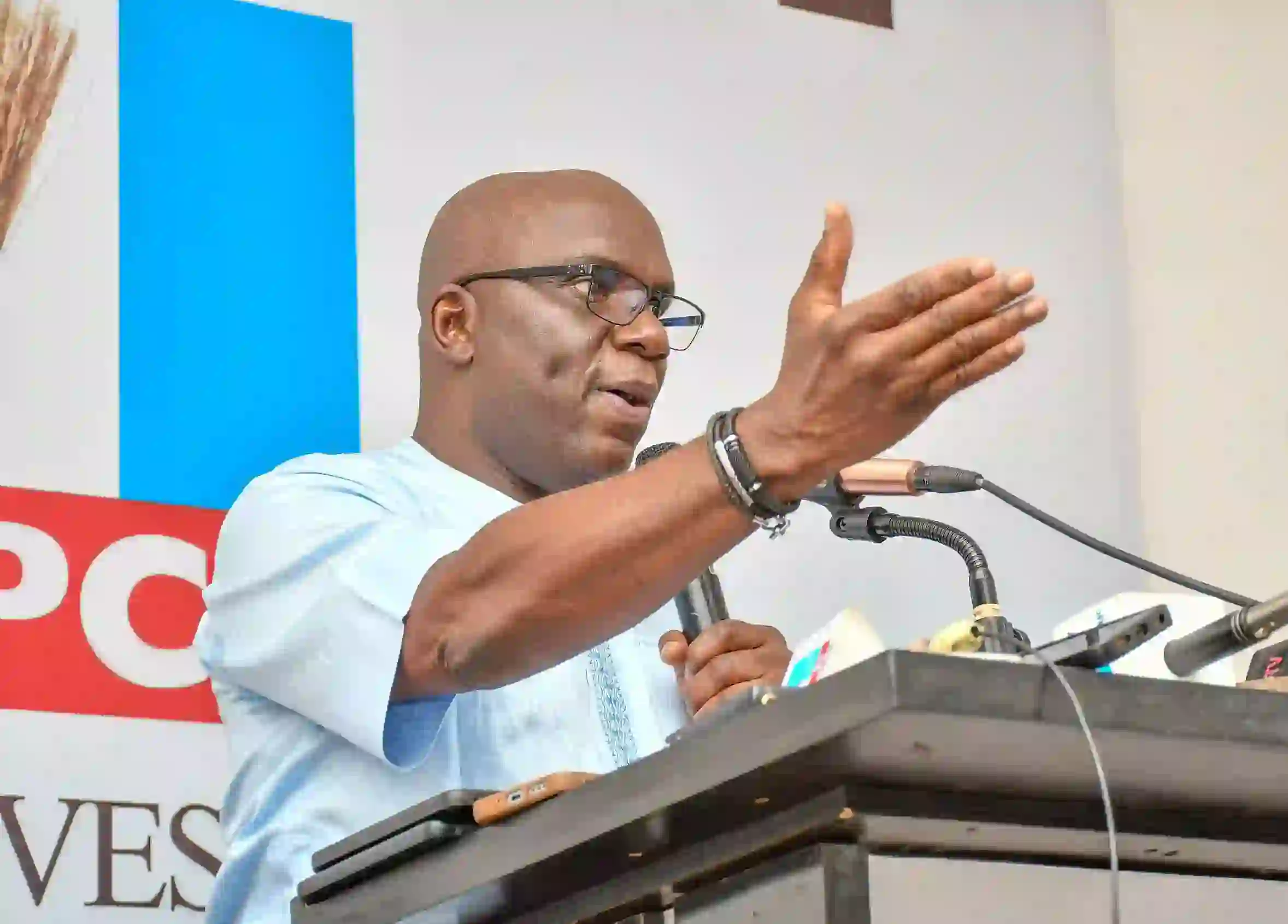
In a press statement on Sunday, spokesperson Dele Alake said Atiku's proposal raises concerns about its legality and how it fits with the Petroleum Industry Act (PIA) 2021. The statement also questioned the cost to the government and how consumers would benefit from the subsidy.
Atiku, who is the presidential candidate of the ADC for the 2027 election, discussed his proposal at a press conference in Abuja on Friday. He believes that a production subsidy would lower pump prices for petrol.
The former Vice President also urged President Bola Tinubu to cut prices for petrol and diesel. But the APC-PCC argued that Section 205(1) of the PIA says that wholesale and retail petroleum prices should be set by free-market conditions.
They referenced a statement from the Nigerian Midstream and Downstream Petroleum Regulatory Authority (NMDPRA) from Saturday. The NMDPRA stated that it does not set pump prices unless specific conditions for intervention are met.
According to the APC-PCC, the regulator has not declared any market failure that would trigger such intervention. They asked Atiku to clarify if refineries getting the proposed subsidy would have to sell petrol at a government-set price.
If the subsidy involves price controls, they want Atiku to specify the legal framework for those conditions and how it would comply with the PIA. On the other hand, if refiners are not required to sell at set prices, Atiku needs to explain how the subsidy would ensure lower prices for consumers.
“Without a clear enforcement mechanism, refiners could benefit while consumers keep paying market prices,” the statement noted. The council also questioned how the subsidy would be funded, warning that preferential pricing for local refineries could cut revenue for the Federation.
This revenue drop could affect the funds available to federal, state, and local governments, which could lead to the same financial struggles that left 27 states unable to pay salaries and pensions before Tinubu took office in 2023.
The APC-PCC estimated that the proposed subsidy could cost between N17 trillion and N21 trillion each year. This would depend on the discount size, the volume covered, and whether the subsidy applies to all crude oil or just petrol sold locally.
Still, they said that the assumptions behind these estimates need to be clearly defined. They urged Atiku to share the proposed subsidy rate, annual spending limit, the volume of crude oil or petrol included, funding sources, and protections against diversion, smuggling, and fraud.
They also want him to explain how he would guarantee lower pump prices and whether implementing the proposal needs amending the PIA. The statement highlighted that an appropriation from the National Assembly could authorize spending but would not solve all regulatory issues under the petroleum law.
The APC-PCC questioned how Atiku’s new proposal aligns with his previous support for deregulating the downstream sector. They recalled that, at the Lagos Business School in November 2022, Atiku labeled the petrol subsidy system as fraudulent and pledged to remove it completely.
Atiku had said at that time he led the committee that removed the first and second phases of the subsidy and would finish the job. The council also mentioned a post from Atiku on X on 25 August 2026, where he stated, “I will restore it!”
They challenged him to explain why he now supports a subsidy in a new form and how his plan will prevent the problems of abuse, scarcity, and fiscal losses that occurred with the old system. The statement traced the deregulation of the downstream petroleum sector back to former President Olusegun Obasanjo’s administration, where Atiku served as vice-president.
They noted that diesel was deregulated in June 2003, and aviation fuel was also moved to market pricing during that administration. Kerosene was deregulated in 2016 under former President Muhammadu Buhari.
The APC-PCC stated that petrol was the last major product to be subsidized, with plans to end this by June 2023 under the PIA. They added that Nigeria’s oil industry reform started in 2000 during Atiku’s vice-presidency.
The APC-PCC defended Tinubu’s strategy for cutting transportation costs. They said the government is focused on promoting compressed natural gas (CNG) and electric mass transit. They reported that over 120,000 vehicles have been converted to CNG, with more conversions happening privately, while working with state governments to expand the initiative.
The statement also quoted Tinubu, who recalled an agreement with governors on 27 August, which aims for more Nigerians to see lower transportation costs starting 1 October.
The APC-PCC pointed out that commuters in seven states and the Federal Capital Territory are already paying between 31 and 83 percent less on routes served by CNG and electric buses. For instance, in Borno State, bus fares on some routes are now between N50 and N100, compared to N300 to N600 charged by private operators.
On the Suleja-Abuja route in Niger State, the fare is N550 instead of about N800. They also mentioned that Kaduna’s free CNG buses carried over 1.4 million passengers in the first five months of 2025, saving residents an estimated N1.39 billion in fares.
The council noted up to 50 percent reductions in transport fares in Adamawa State and the introduction of 40 electric buses and 20 charging stations in Abia State. They said these efforts provide an alternative to petrol subsidies, which could benefit smugglers and lead to more debt, fuel shortages, and cross-border diversion of subsidized products.
The APC-PCC stated that the Tinubu administration will keep supporting a deregulated petroleum market to encourage more investment in domestic refining. They mentioned the Dangote Petroleum Refinery, which has a capacity of 650,000 barrels per day, and reportedly achieved 700,000 barrels per day during tests.
The council also noted that the refinery is seeking N2.1 trillion through an initial public offering for expansion. They acknowledged the impact of rising petrol prices on households but said the administration will continue to implement policies to support Nigerians.
They noted that petrol prices had reached about N830 per litre before the Middle East crisis pushed crude oil prices above $100 per barrel. They argued that if the crisis eases, crude oil prices could drop, leading to lower petrol and diesel prices in Nigeria and other places.
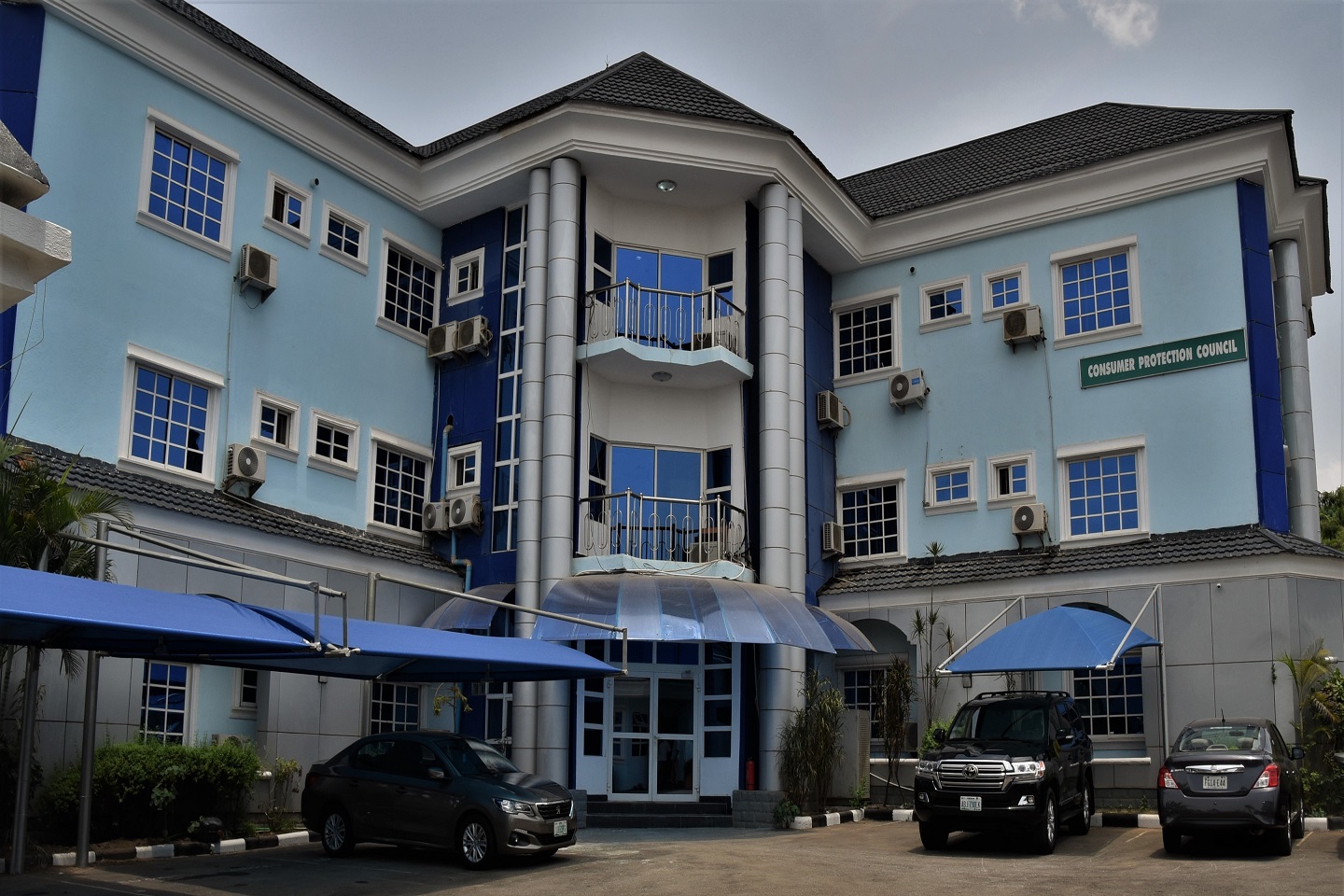
The NMDPRA is also working with the Federal Competition and Consumer Protection Commission to tackle price gouging and with the Nigeria Customs Service to stop the diversion of petroleum products across Nigeria's borders.
The APC-PCC urged Atiku to publish a detailed policy report and an independent legal and fiscal analysis of his proposal. Until then, they say, the production-subsidy plan remains an uncosted promise without a clear legal or operational framework. The council also advised Atiku to read the PIA, arguing that his proposal does not match the law or current conditions in the oil sector.


Drop your comment
No comments yet — be the first to drop the gist 👇