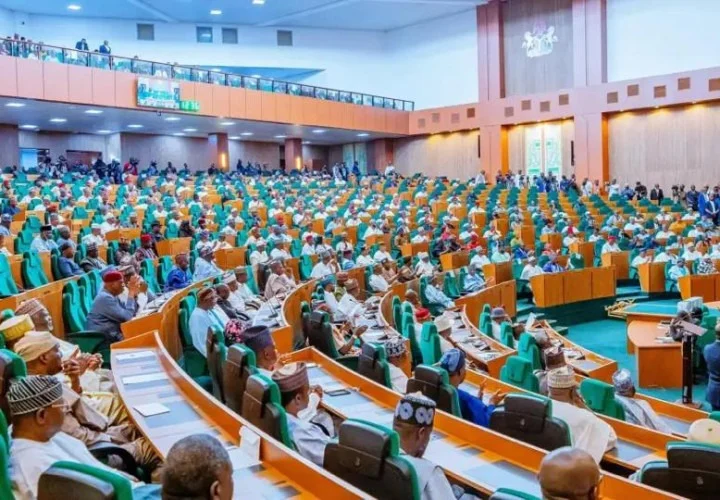
The All Progressives Congress, the ruling party in Nigeria, faced new defections in the House of Representatives on Wednesday. Two lawmakers officially left the party, showing the growing political shifts as the 2027 elections approach.
This news came just a day after the National Assembly started its plenary session following a Salah break. During this time, many political figures across Nigeria have been talking to each other, forming coalitions, and planning their next moves for the upcoming elections.
At the session on Wednesday, Rabilu Bala, who represents the Jama’are/Itas-Gadau Federal Constituency in Bauchi State, announced his move from the APC to the Peoples Redemption Party.
The Speaker of the House, Tajudeen Abbas, read Bala’s letter in the chamber. Bala said his decision was due to ongoing disagreements within the APC. He believes the new party will allow him to better serve his people.
Bala's letter mentioned that he consulted with political leaders in his area. He expressed concerns about issues in the party at both state and national levels.
In another case, Abubakar Zango, who represents Yola North/Yola South/Girei Federal Constituency in Adamawa State, also declared he was leaving the APC for the ADC.
Zango said he made his choice based on his conscience and what he felt was best for the country. He promised to keep doing his job well and follow democratic values, assuring his people that his dedication to representing them would not change.
Similarly, Abdullahi, who represents the Dukku/Nafada Federal Constituency in Gombe State, also switched from the APC to the ADC.
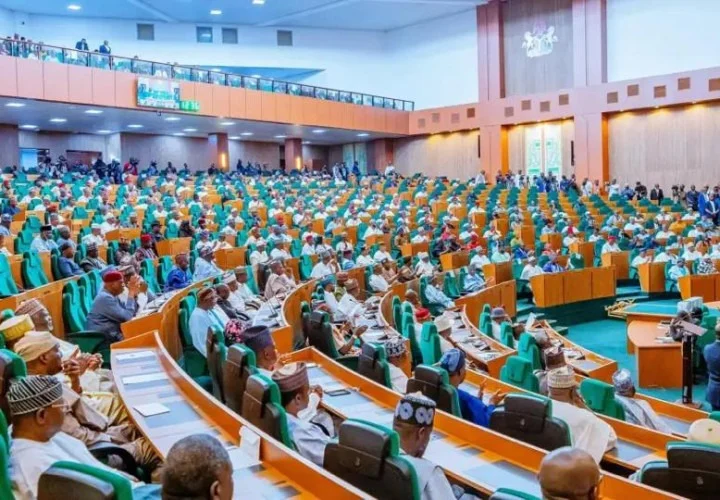
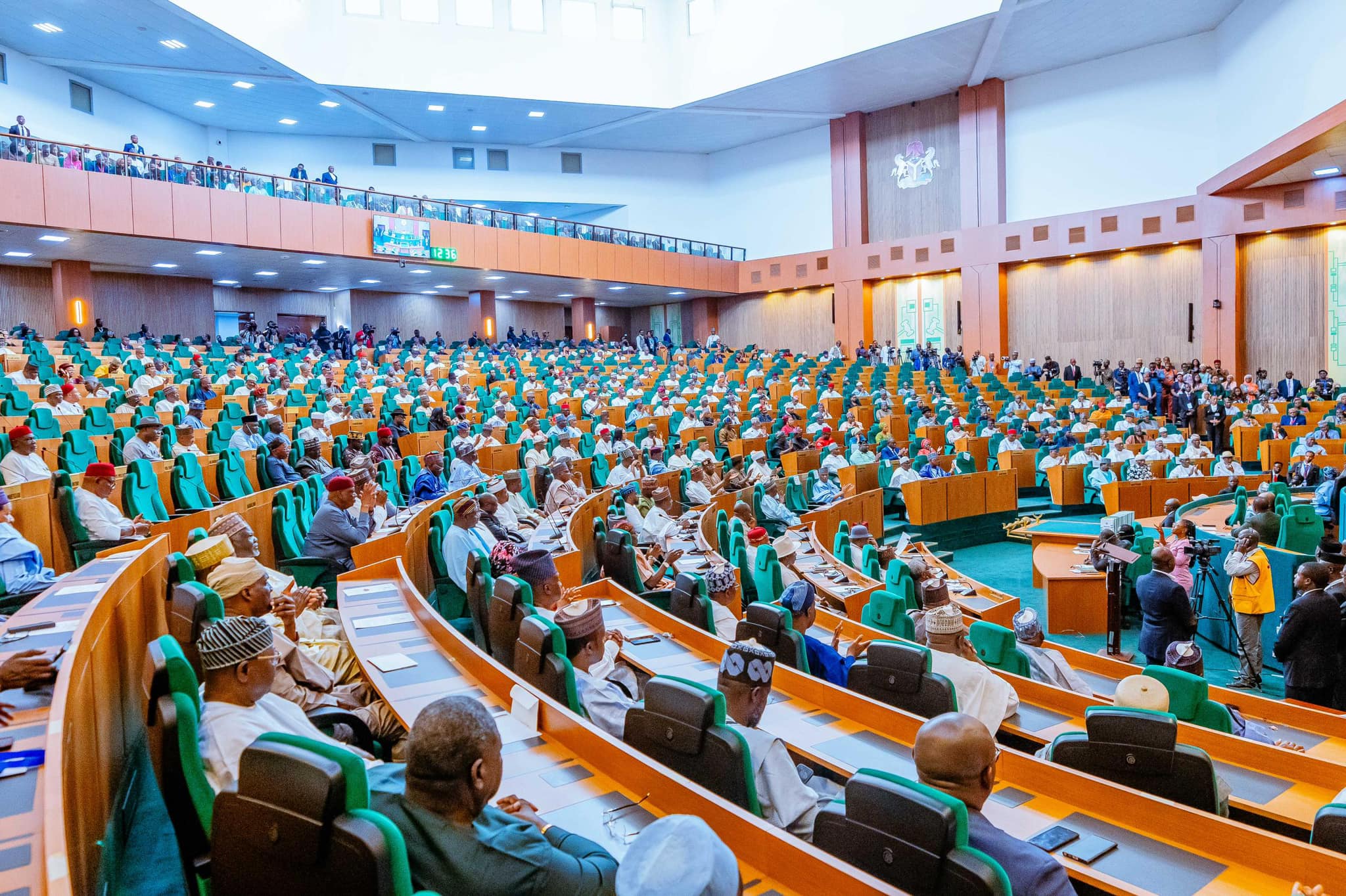
These defections add to a list of political changes happening recently as politicians prepare for the 2027 elections. Even though the APC has a strong majority in the National Assembly, recent events have shown tensions within some state chapters of the party. Issues like internal democracy and leadership are causing concerns.
The PRP is one of Nigeria's oldest political parties, linked to the late Mallam Aminu Kano's movement. It has been working to regain its influence in northern Nigeria.
On the other hand, the ADC is attracting politicians who want alternatives to the main parties. There are ongoing talks among opposition leaders to form coalitions.
Political watchers believe these defections could lead to more changes as parties gear up for the next elections. While some lawmakers cite internal problems as their reason for leaving, others seem to be joining new political groups and alliances that may shape the power struggle in 2027.
The APC leaders have tried to downplay worries about defections, claiming the party remains strong and united, despite a few members leaving.
Opposition parties see these recent moves as a sign of growing unhappiness within the ruling party. They view it as an opportunity to broaden their political influence.
With less than two years until the next elections, all eyes will be on the National Assembly and the overall political scene as parties work hard to solidify support and improve their structures across Nigeria.



Drop your comment
No comments yet — be the first to drop the gist 👇