Argentina come into this match with more attention, but Austria present a challenge that goes beyond star players. Both teams started Group J with three points. Argentina secured their win with Lionel Messi scoring all three goals against Algeria. Austria won 3-1 against Jordan, but their performance raises questions beyond the scoreline. For fans looking at team news, projection models, and betting sites like 1xBet Guiné-Bissau, the key question is not if Argentina are favoured. They are. The more pressing question is how Austria can disrupt Argentina's midfield before Messi gets the ball where it counts.
Argentina vs Austria is not just another group match; it has implications for the knockout stage. A win would put either team in a strong position before their final Group J match, especially since both teams have already won and are ahead of Jordan and Algeria.
The match is set for June 22, 2026, at 17:00 GMT at Dallas Stadium. The referee will be Amin Mohamed Omar. These details matter because the schedule offers little recovery time after the first group match, and the venue takes away any home advantage.
On paper, Argentina appears stronger, but Austria’s pressing can force a favourite to play faster than they would like.
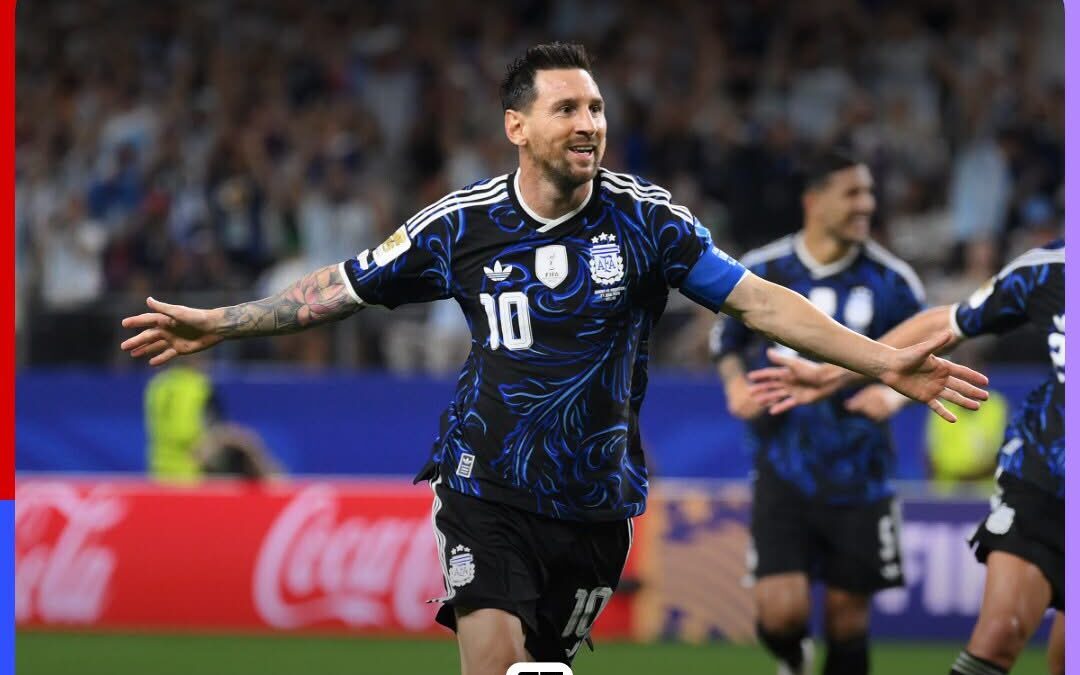
Messi’s first match set the tone. His three goals against Algeria brought him level with Miroslav Klose at 16 World Cup goals, just one goal away from being the all-time top scorer. At 38, he’s not only judged by his involvement but by whether he can still change the game with one touch.
Against Algeria, Argentina didn't need many goal scorers. Messi made the difference on his own. The obvious risk for Austria is this: if they let him receive the ball between midfield and defence, the match could change quickly without much buildup.
But the analysis doesn’t stop there. Messi becomes more dangerous when Argentina’s midfield protects the way to him. Rodrigo De Paul acts as a connector, keeping the attacking shape intact. Enzo Fernández excels in winning the ball and making forward passes. Alexis Mac Allister helps Argentina avoid a series of broken plays.
Austria's first job is not to stop a shot. It is to make the pass before a shot uncomfortable.
Argentina's midfield is designed to slow down panic. While that sounds easy, it is a key skill in major tournaments. When Austria press after losing the ball, Argentina needs the first escape pass to land safely. If that pass reaches De Paul or Mac Allister cleanly, Austria’s pressure can create space behind them.
Enzo Fernández led Argentina in tackles after Matchday 1 with three tackles won. That number may seem small, but it highlights that Argentina not only attacked well but also regained possession before Algeria could apply pressure.
Austria will approach the game differently. Ralf Rangnick’s team looks for aggressive pressure after turnovers. This style can create chances without dominating possession. But it can also leave gaps if the first wave of pressure fails.
Thiago Almada is an interesting choice here. His skill in tight spaces could help when Austria tries to trap Argentina near the sidelines. If he plays, Argentina may focus on shorter passing around Messi. If another runner plays instead, the team may gain more speed.
Austria's 3-1 win over Jordan wasn’t as straightforward as it sounds. The second goal came late, and the third was from a penalty. This doesn’t lessen the win's value, but it does change expectations.
Austria is dangerous when turning pressure into set pieces. Seven of their last ten World Cup goals have come from dead balls, including corners, penalties, and free kicks. This statistic shows how they can find a way to score in a match where chances from open play may be scarce.
Argentina's defence kept Algeria from having a shot on target. Against Austria, the challenge might be less about the number of shots and more about avoiding cheap restarts near the box. One poorly defended corner can ruin 40 minutes of midfield control.
Austria also faces a question about their right defence, with Stefan Posch’s availability uncertain due to a broken jaw. This is crucial because Argentina can exploit that side if Molina plays right-back and Messi drifts inside.
The 61.1% win probability for Argentina from 25,000 pre-match simulations does not guarantee an easy win. It shows an advantage. Austria has a 17.0% chance of winning, while a draw stands at 21.9%.
These numbers can mislead. A 61% favourite is not a sure thing. It wins often enough to deserve the label, but not so often that the underdog’s chance is just a fantasy. In football terms, Austria’s task is clear: limit central space, keep the match scoreless, and turn set pieces into real threats.
For betting, this game isn’t just about picking a winner. Argentina’s stronger squad and Messi’s form tilt the market, but the match details are more complex. If Argentina scores early, Austria must push higher, opening the game. If Austria holds it level at halftime, the pressure shifts back to the favourite.
A good research process separates three items that often get confused. Team strength is one. Game state is another. Set-piece threat is a different issue. Austria’s dead-ball record means Argentina can control open play but still face danger from a corner.
There’s also the record angle. Messi needs one goal to surpass Klose, drawing attention to scorer markets. But Austria’s setup aims to limit central touches. This doesn’t erase Messi’s threat but shifts where it might come from: second balls, cutbacks, or a free kick near the area.
Argentina’s possible changes aren’t just for show. Julián Álvarez might return to the attack after sitting out the opener. Nahuel Molina could step in at right-back if Gonzalo Montiel can’t play. Nicolás Tagliafico might also join the defence on the left.
Each choice impacts the game’s pace. Álvarez presses from the front and attacks space behind Austria’s defence. Molina gives Argentina more width on the right. Tagliafico offers a different balance on the left, especially if Argentina wants stronger defensive recovery after losing the ball.
Austria’s concern is whether their press can maintain its structure for long stretches. Pressing Messi directly isn’t enough. The lanes around him must close at the same time. If De Paul receives the ball easily, the first line of Austrian pressure has already failed.
This is where the match might become less exciting than expected. The key action could be a short pass under pressure, not the final shot.
Several scenarios could unfold. They don’t all align with the same forecast, nor do they all suggest the same betting approach.
If Argentina scores in the first 25 minutes, Austria will have to press higher than planned, opening up space for Messi and other runners.
If Austria holds it level at halftime, their press has slowed Argentina’s rhythm, making set pieces more valuable in the second half.
If Argentina dominates midfield recoveries, Austria will struggle to launch second attacks. The favourite’s control becomes more stable.
If Austria wins multiple corners, defending dead balls becomes crucial. A tight match stays alive longer.
If Álvarez starts and presses effectively, Austria’s first pass after recovery could be rushed. Argentina can then attack from closer range.
This analysis avoids a simple winner-only view. A forecast needs specific conditions. Argentina could be the better team and still face a tough match if they don't score early.
Argentina and Austria have faced each other before, but not in a senior competitive match. Their past encounters were friendlies, with Argentina winning 5-1 in 1980 and a 1-1 draw a decade later. Those results belong to a different era of football. They offer trivia rather than guidance.
The lack of competitive history puts more focus on the current teams. Argentina’s recent tournament identity revolves around controlled possession, midfield protection, and Messi’s decisive moments. Austria’s identity is shaped by pressing, quick recovery, and threats from set pieces.
This contrast helps clarify the tactical question. Can Austria make Argentina's midfield receive the ball facing backwards? If yes, the match slows. If not, Messi will start receiving the ball where he can do damage, and Austria's defence will find themselves retreating.
The final hour before kickoff may be more critical than usual because both teams have lineup questions. Instead of just looking at names, it's better to understand the impact of those choices.
If Molina plays, Argentina might attack more down the right side.
If Álvarez plays, Austria’s centre-backs will need to watch for runs behind them.
If Almada stays in midfield, Argentina may rely on shorter passes under pressure.
If Posch is unavailable, Austria's defensive balance on one side shifts.
If Arnautovic starts, Austria will have a clear target for crosses and set pieces.
These considerations aren’t predictions on their own. They are filters. Once the lineups are confirmed, the forecast shifts from reputation to how each role fits the expected game.
The underdog’s strategy is straightforward. Austria needs fouls in useful areas, pressure after turnovers, and enough physical presence to make Argentina defend set pieces. A quiet performance in open play can still become threatening if set pieces increase.
Marcel Sabitzer is expected to earn his 100th cap, adding experience in midfield. Romano Schmid’s scoring against Jordan gives Austria another option from deep positions. Marko Arnautovic remains the forward who can turn a half-chance into a serious problem for Argentina's centre-backs.
Still, Austria cannot spend the whole match defending their box. If Argentina keeps winning the ball near halfway, the pressure will build too quickly. Austria needs some passing moments to give their defence a breather.
Argentina doesn’t need to rush the match early. That could be to their advantage. With three points already in the bag, Scaloni’s team can move the ball, test Austria’s pressing, and wait for the first crack in their structure.
The danger is becoming too comfortable. Austria’s set-piece record means a match can turn quickly without sustained attacking play. Argentina’s defenders must treat every corner as a real scoring opportunity, not just a pause before the next possession.
Messi’s pursuit of a record adds excitement, but Argentina’s best path still goes through controlling the game. If De Paul, Fernández, and Mac Allister keep things connected, Messi will have enough chances to make an impact. If Austria breaks that midfield triangle, the match becomes more physical and unpredictable.
That is the real forecast: Argentina are favoured, but the extent of their advantage depends on how well they handle midfield pressure.
Argentina’s 61.1% projection fits the football reality. They have a stronger attacking reference, a solid first result, and a midfield that can control tough moments. Messi’s form sharpens their edge, especially if Austria can’t stop passes into the spaces between lines.
The warning lies in set pieces. Austria’s recent record gives them a credible chance to score, even if they lose the midfield battle. A corner, free kick, or second ball near the area could force Argentina to play a different game than they prefer.
The most likely forecast suggests Argentina will take control gradually rather than overwhelming Austria from the start. If the favourite scores before half-time, the match could stretch. If Austria keeps it level late into the second half, the focus will shift to the finer details.
Argentina remain the stronger choice based on available evidence. The better insight, though, isn’t just about Messi. It revolves around the midfield that supplies him the ball and the dead-ball defence that must stop Austria from turning moments into results.
Drop your comment
No comments yet — be the first to drop the gist 👇