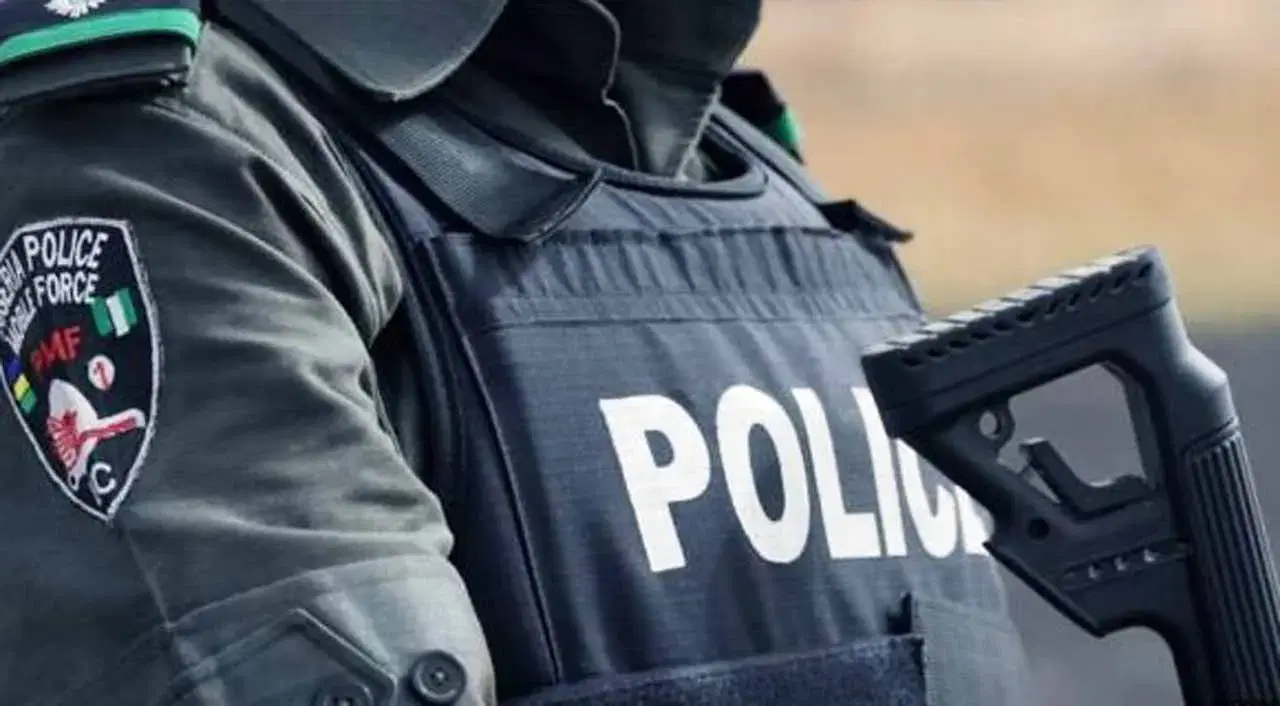
The issue of insecurity in Nigeria is worsening, with more kidnappings happening in places like Oyo, Borno, Kebbi, Katsina, Kwara, Zamfara, and Niger. Lawmakers, Governors, and concerned citizens are pushing for state police. They believe that having a decentralized police force would help the government better protect lives and property. A report from Amnesty International says at least 1,100 people were kidnapped in the North from January to April alone. The International Centre for Investigative Reporting (ICIR) states that since 2019, about 23,000 people have been abducted across Nigeria. The real number may be even higher. No one should be kidnapped in a country with a functioning government. Nigerians want to feel safe in their own land. President Bola Ahmed Tinubu has said he understands the pain of insecurity and is dedicated to making things better.
But the situation seems very tough. Criminals behind these kidnappings are becoming more daring, and some are linked to a larger global jihadist network. In late May, the Governor of Oyo State urged for the quick establishment of state police after 45 people, including teachers and students as young as two, were kidnapped on May 15. He accused the Federal Government of deceiving Nigerians. The growing insecurity shows a failure of the state to protect its people, even as we hear that the security agencies are trying their best. The Armed Forces of Nigeria are now involved in this emergency, but they are stretched thin trying to do police work.
The police force is overwhelmed. Bandits and terrorists are treating people like commodities, demanding ransoms without fear. Some communities have started making their own security arrangements by forming militias and vigilante groups. Others have left their homes and farms. This shows how serious the situation has become. In Nigeria, people are now organizing their own water supply because the government has failed in that area. Many homes have boreholes. People are also finding ways to provide their own electricity because the system is failing. When there is power, the bills are often too high. In urban areas, families have to deal with the noise of generators. Some lucky families are using solar panels, but poorly installed ones can cause fires. Living in Nigeria often means taking care of yourself because the government is not providing basic services. Many Nigerians are stuck abroad or planning to leave the country as illegal immigrants just to experience life in a place where basic needs are met. Once, while in London, I wanted to iron my clothes to prepare for a possible power cut back home. Nigeria’s problems seem to follow us everywhere. The saddest part is how our communities have turned into dangerous places with no control.
Terrorists and bandits are becoming brazen, even showcasing their actions on social media. They do not fear anyone or anything, and they are spreading their influence from the North to the South. Many high-ranking military officers have been kidnapped, including Major General Idris Alkali and Air Marshal Alex Badeh. Most recently, General Rabe Abubakar (rtd), who was taken with his wife while heading to a wedding in Katsina, was also abducted. If things continue this way, it may not be long before terrorists try to kidnap a sitting Governor.
The debate about state police is not new. Every time there is a rise in kidnappings and banditry, people return to discussing how state police could help. This issue was approved during the 2014 National Political Conference under Goodluck Jonathan. Delegates agreed that states should be allowed to create, fund, and manage their own police forces, while the Federal Police would handle federal matters. Supporters argue that state police would align with federalism. Professor Kemi Rotimi, a historian, argues that Nigeria is not reintroducing federalist policing but rather state police. Before the military coup of 1966, there were local police forces in the Northern and Western regions. The Benin Division had local government police until it was abolished in 1963. These local forces lost their independence in 1966 when the police were centralized under a national command. This centralization was unpopular, and the effects are still felt today in Sections 214 to 216 of the 1999 Constitution. To create state police, the Constitution must be amended following the steps in Section 9, which states how to change the Constitution.
In July 2018, the 8th National Assembly attempted to amend the Constitution to allow for state police. Senator Ike Ekweremadu introduced a Bill for a dual-tier police system, federal and state. This Bill got support from 75 out of 109 Senators during its First Reading. There was also a related Bill in the House of Representatives that made it to the Second Reading. The then Senate President, Bukola Saraki, met with state Assembly Speakers to gain support. Section 9 requires a four-fifths majority in both chambers of the National Assembly and a two-thirds agreement from state Assemblies. The Bill failed due to concerns about state police being misused by Governors against political opponents, funding issues, and lack of protections. Ekweremadu proposed that state police could be set up in ten days if there was political will. It has been eight years, and we are still discussing the same topic.
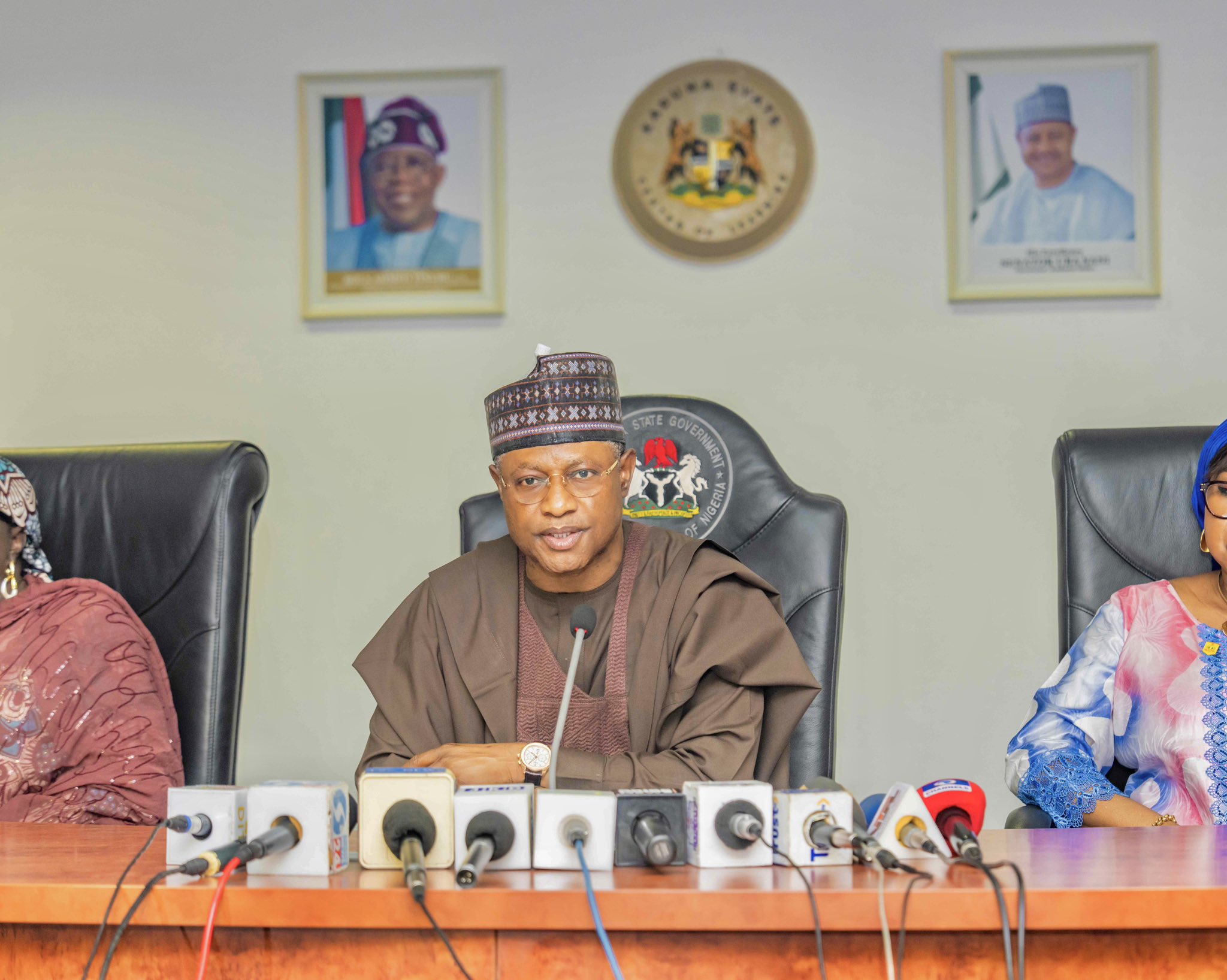
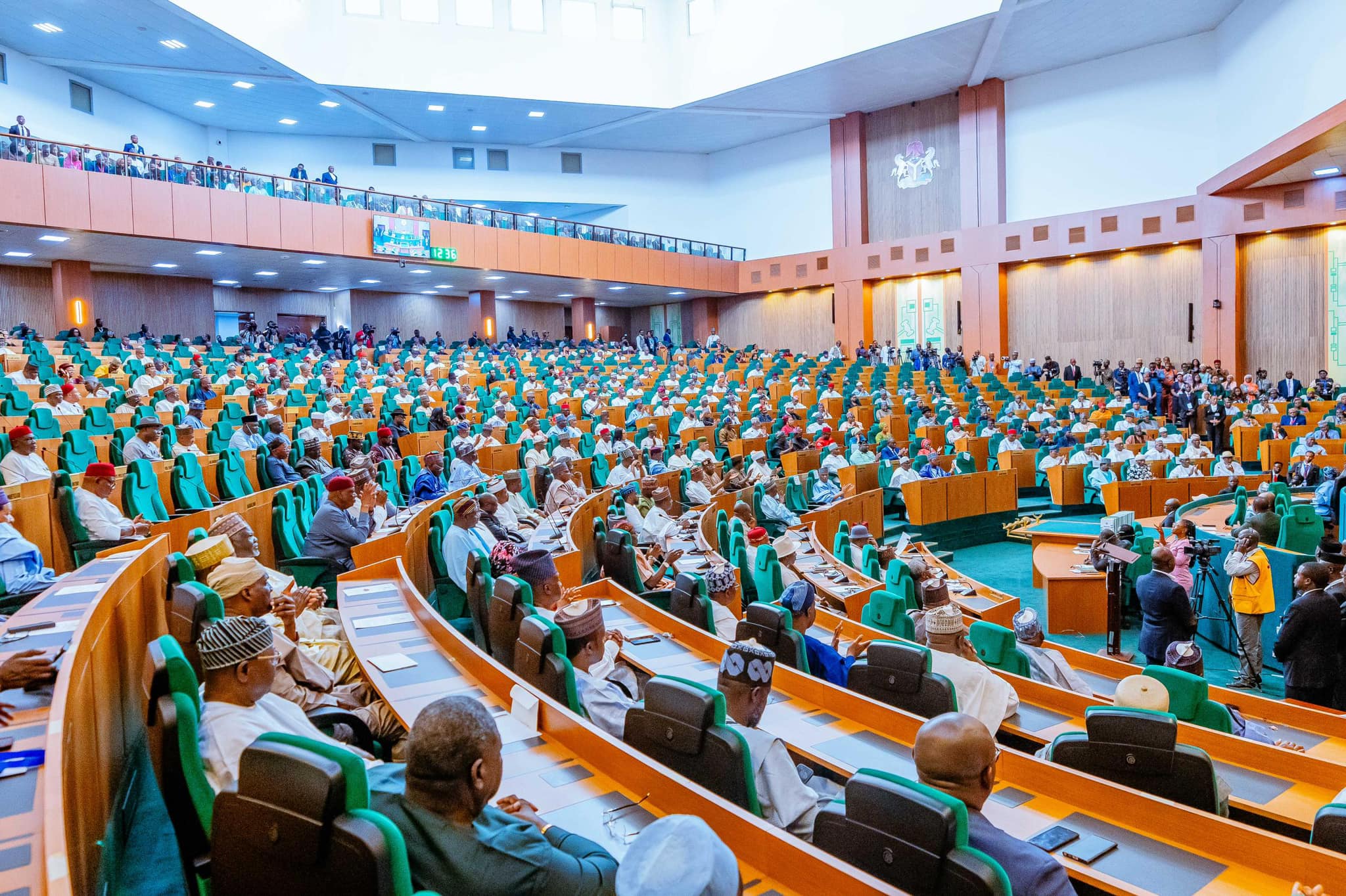
President Bola Ahmed Tinubu has consistently called for state police to enhance Nigeria’s security. Since 2018, state Governors have supported this idea. In March 2024, 16 state Governors submitted memos asking for a review of the Constitution. By December 2024, all 36 Governors had endorsed state police. In March 2026, the Nigeria Governors’ Forum formally submitted proposals for state police to the National Security Adviser and the National Assembly. The then new Inspector General of Police, Tunji Disu, provided a 75-page operational framework for the Senate and formed a committee for this purpose. Two months later, the National Assembly announced it would start the amendment process for state police on June 9, 2026. Senate Leader Opeyemi Bamidele assured that there would be no further delay in sending the Bill to all 36 states. This should be one of the most discussed Bills in Nigeria's recent history. Changing the policing structure will require moving it from the Exclusive to the Concurrent Legislative List in the 1999 Constitution. Can this be done in ten days, as Ekweremadu suggested? Is this the right time, given the upcoming elections? Are the Governors genuinely committed, or will this effort stall like previous ones?
One of the main opponents of state police is Mohammed Bello Adoke, former Attorney General of the Federation from 2010 to 2015. He has argued since 2012 that Nigeria's democracy is not ready for decentralized police. He believes the Nigeria Police should stay under Federal control to avoid political misuse by Governors and to prevent regional conflicts. While he supports federalism, he insists that “the time is not yet ripe” for state policing. Other responses have come from retired police officers who focus on community policing, suggesting a decentralized force, more officers, and better welfare for current officers. Many retired officers have a hard time imagining a police force that differs from what they knew. Many people fear possible abuse, but some believe challenges can be managed. The key is for Governors to have a say in the security of their citizens. But how many current Governors are genuinely passionate beyond making politically correct statements? They need to show more commitment and become strong advocates for peace and progress.
In 2016, then Ekiti State Governor Ayo Fayose declared war on herdsmen attacking people in his state. He told the people, “Everything you need me to do, I will do. The moment you are not secure, I better resign. Nobody will take Ekiti away from us.” He emphasized that the killing of their people must stop. Fayose's words still resonate ten years later. He stood by his people. He even joined security forces to chase bandits into the forests. Current Governors may have set up security outfits, but managing a state police structure will need more effort and dedication. Another passionate Governor was the late Rotimi Akeredolu of Ondo State. He started the Western Nigeria Security Network known as Operation Amotekun to protect the region from bandits. He led the initiative, recruited guards, and wore the Amotekun uniform proudly. When the Buhari administration opposed Amotekun, Akeredolu stood firm.
If state police is established, groups like Amotekun, Ebube Agu in the South East, and others should be integrated into the new system. The proposals for state police should be made public for everyone to see and discuss. This is election season, and lawmakers who should be considering this Bill may be distracted or upset after party primaries. This could be a major challenge this time.

Drop your comment
No comments yet — be the first to drop the gist 👇