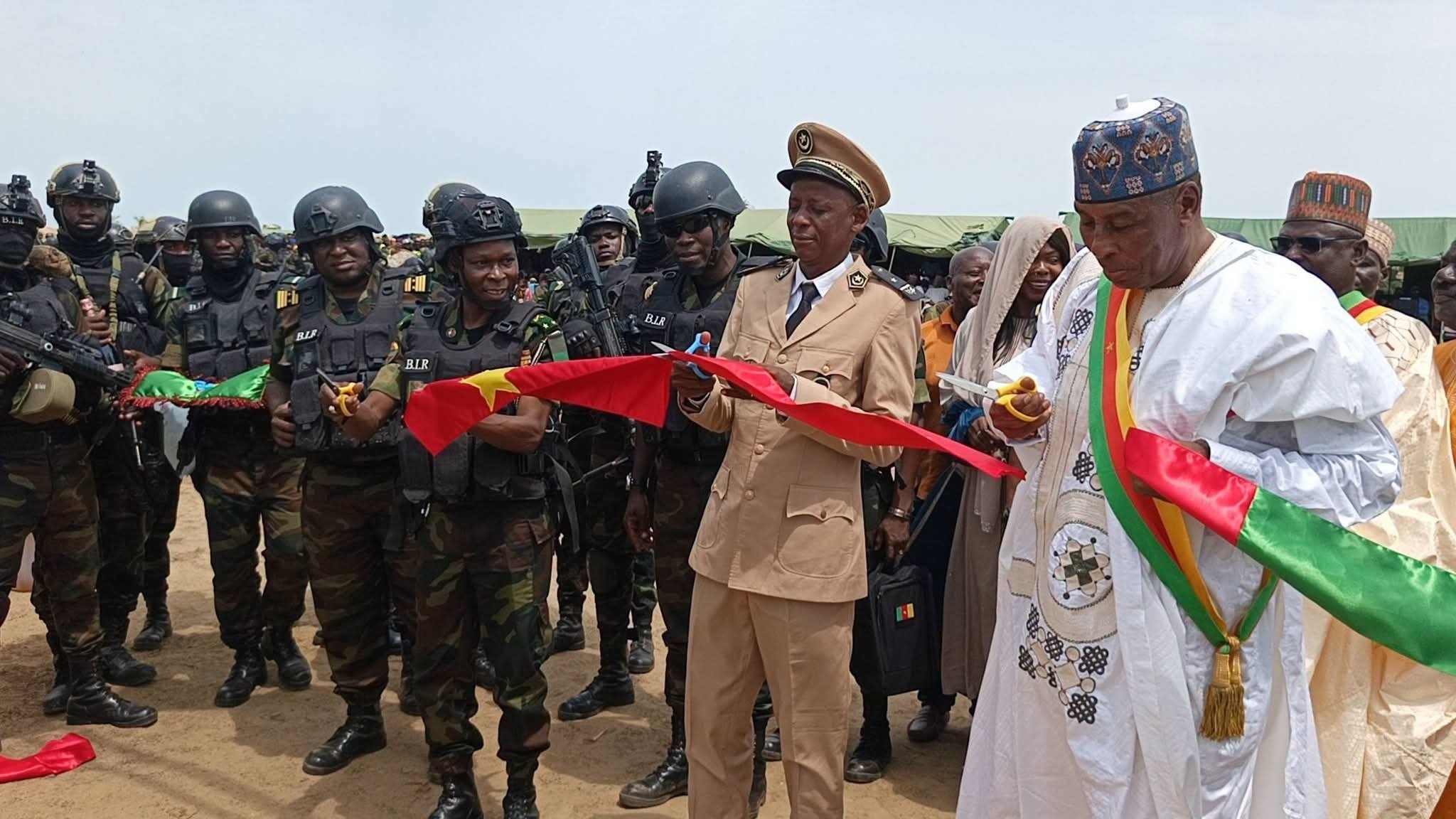
Cameroon's Defence Minister Joseph Assomo announced last month the creation of a Rapid Intervention Battalion (BIR) Lake Chad military unit. This move responds to rising jihadist violence in the Lake Chad area. Recent attacks in Darak, Bargaram, and Hilé-Alifa have forced over 11,300 people to leave their homes.
While the new unit may provide immediate safety for civilians, how well it works depends on real control of the area and cooperation with security forces from neighboring countries.
The creation of BIR Lake Chad is an important step in a region where military posts have been weak in fighting terrorism. New military bases at Bargaram and Hilé-Alifa opened last month to support the new unit. Hilé-Alifa has the second-largest barracks for rapid intervention battalions. It includes dormitories, a battalion command post, a company command post, kitchens, a fuel tank, a garage, a police station, a gym, and a medical center. Bargaram also has new dormitory blocks, a company command post, and an infirmary.
At the opening of the Hilé-Alifa base, BIR General Coordinator François Pelene said the new unit would grow by adding companies in Darak and Blangoua. The main aim of BIR Lake Chad is to disrupt the supply chains of armed groups and stop the Islamic State West Africa Province (ISWAP) from spreading its influence from northeast Nigeria into northern Cameroon. The unit also seeks to establish a long-term presence in areas where jihadists have exploited locals, creating centers for their activities.
Strengthening operations against Boko Haram's ISWAP and Jama’tu Ahlis Sunna Lidda’awati wal-Jihad (JAS) factions is also meant to bring military forces closer to communities affected by ongoing violence. Bargaram has seen many military clashes and attacks on civilians. In February, over three days, 668 households, totaling 4,223 individuals, left Bargaram and Darak for safer places like Blangoua and Hilé-Alifa.
The new bases and the BIR Lake Chad command post at Hilé-Alifa will make decision-making quicker. This is key because armed groups often retreat quickly across the border into northeast Nigeria after attacks. Deploying a force known for quick responses, adaptability, and strong firepower is a necessary step in fighting terrorism. Commanders who know the area guide troops who use reconnaissance, kamikaze drones, and improvised explosive devices. BIR Lake Chad shows a shift from defense to quick action against attacks.
But this change also needs proper naval resources to fight groups using secretive methods, employing papyrus tei-tei rafts and surprise attacks. BIR Lake Chad has 1,000 personnel, adding to nearly 500 troops in Makary and Blangoua. These troops are part of the Multinational Joint Task Force's (MNJTF) First Sector, based in Mora, Cameroon. The MNJTF plans to reopen a post in Soueram to deploy its First Sector joint battle group, previously stationed in Wulgo, Nigeria. This group includes amphibious, field artillery, and airborne battalion troops.
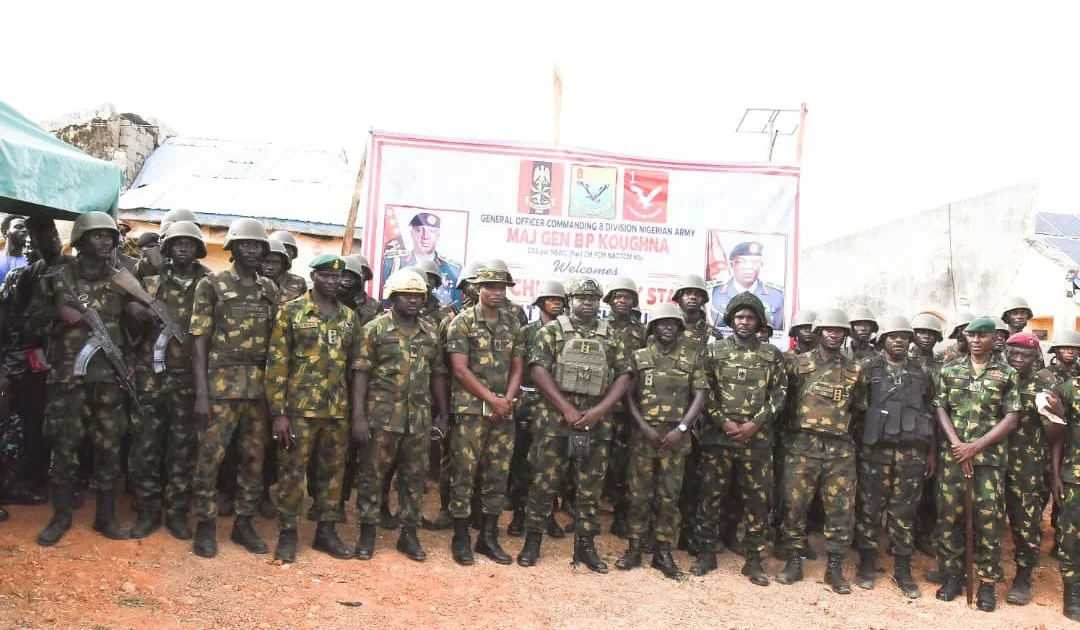
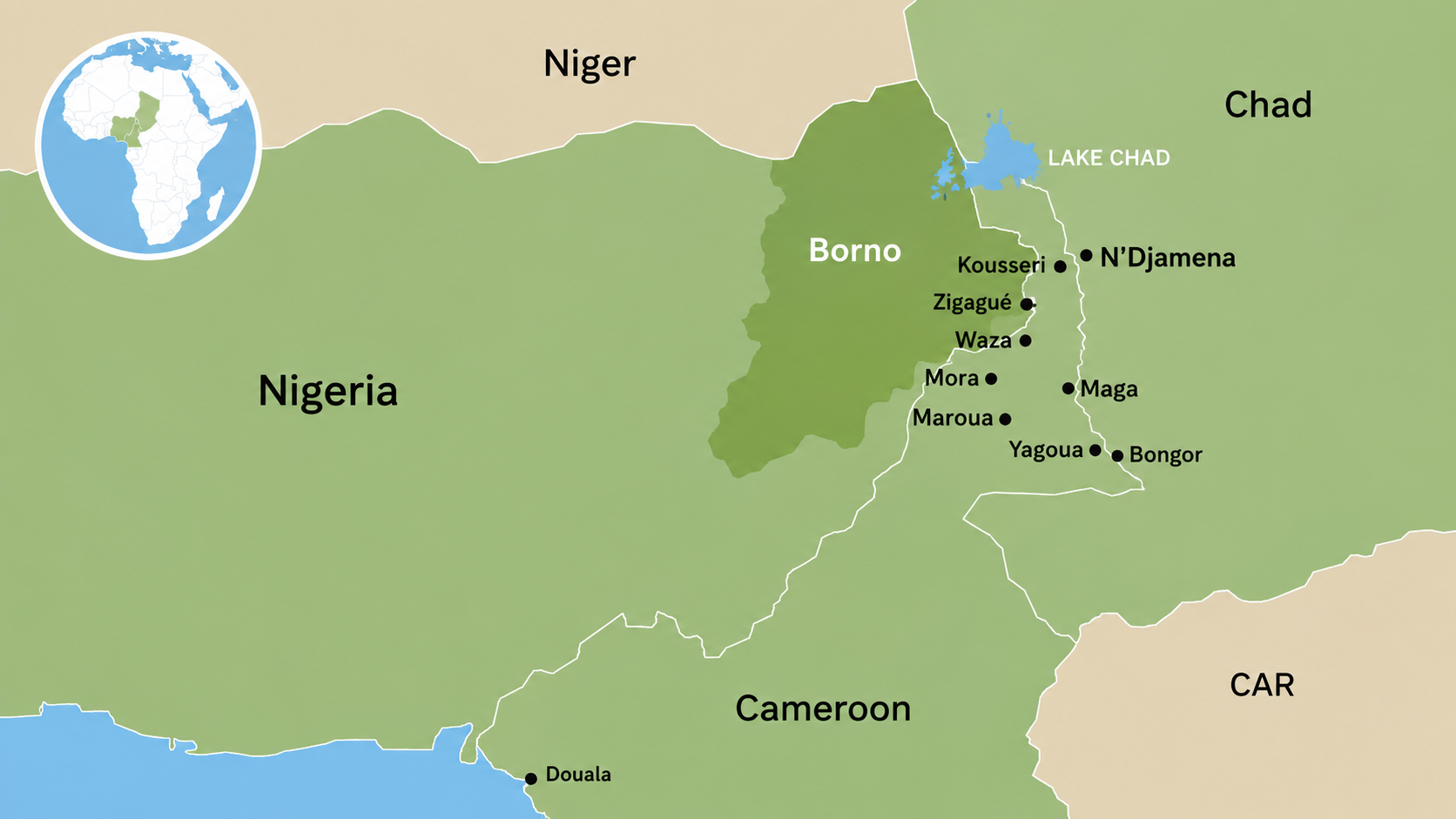
With BIR Lake Chad, Cameroon now has four military units fighting Boko Haram: the 4th Joint Military Region, BIR Alpha Force, BIR Lake Chad, and the Special Forces. Several other Cameroonian units are also part of the MNJTF First Sector's command.
Along with these military forces, the efforts of the Directorate General for External Research, Cameroon's main intelligence agency, plus the police and gendarmerie, should also be factored in. Bringing in the new force could add to the confusion on the battlefield. This term describes how Cameroonian forces struggle to work together against Boko Haram.
Beyond the challenges from the terrain, including floods, swamps, islands, and informal waterways, a major issue is coordinating actions among all the different groups fighting terrorism. The lack of a single military command structure makes it hard to focus efforts and use forces efficiently, which affects the overall response.
It is vital to align with commanders on the ground to avoid mistakes and prevent friendly fire incidents. The 4th Joint Military Region commander's role should be strengthened, with clear responsibilities to stop overlapping commands. There also needs to be cooperation between troops under the armed forces' general staff and those supervised by Israeli contractors reporting to the president.
Finally, engaging with the armed forces of Nigeria, Niger, and Chad around Lake Chad is crucial to address this regional problem. At the launch of BIR Lake Chad's headquarters, the teamwork shown by the 4th Joint Military Region, 4th Gendarmerie Region, and MNJTF First Sector commanders, along with government officials and local leaders, sends a strong message that coordination matters.
Above all, the new force must have the ability to operate beyond its bases. This will make sure that expanding barracks and military infrastructure does not lead to some areas being poorly monitored. Together with ongoing civil-military projects, boosting land and sea patrols can help secure local communities, markets, waterways, lakes, and borders. These actions will stop armed groups from retreating into Nigeria to regroup and will help restore the safety and confidence needed for displaced families to go home.


Drop your comment
No comments yet — be the first to drop the gist 👇