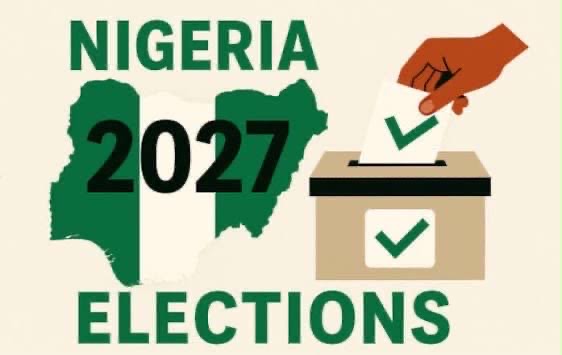
As Nigeria gets ready for its 2027 presidential election, many people are worried about how safe the country’s financial and election systems are. Two important laws to think about are those against insider trading in stock markets and rules about how political campaigns are funded. These laws help keep public trust in both markets and elections.
The Investments and Securities Act (ISA) 2025 makes insider trading illegal. This happens when someone trades securities while having important, private information. The law also holds responsible anyone who helps or benefits from this kind of trading. The penalties are tough: individuals can face fines of at least N10 million or four times the profit they made, whichever is higher, plus at least five years in prison.
There are concerns about whether banks or their leaders could be used for secret political funding. Dr Nneka Onyeali-Ikpe is the CEO of Fidelity Bank Plc, a role she has held since January 2021. She is a trained lawyer and has received several awards, including Banker of the Year 2022 and Best Banking CEO Nigeria 2023. Fidelity Bank is a public financial institution, and its stability relies on the trust investors have in its governance and disclosures.
Peter Obi, a former governor of Anambra State, was the presidential candidate for the Labour Party in 2023. He has since joined the Nigerian Democratic Congress (NDC) and plans to run for president in 2027. Questions about how campaigns are funded have followed Nigerian candidates for years, and Obi is no different.
The link between these issues is especially important given Peter Obi’s visibility in politics and Fidelity Bank’s role in Nigeria’s financial scene. If there is any record of political funding tied to Obi’s activities and transactions at Fidelity Bank, it would be important to look closely at those records, timelines, and disclosures.
Allegations of this kind, whether they involve insider trading or hidden political funding, can have serious consequences if not looked at. For a public bank, credible claims can hurt investor trust, damage the bank’s reputation, increase its costs, and weaken trust in how it is run. For the electoral system, undisclosed money could change the political playing field and disrupt the rules that the Electoral Act is meant to uphold.
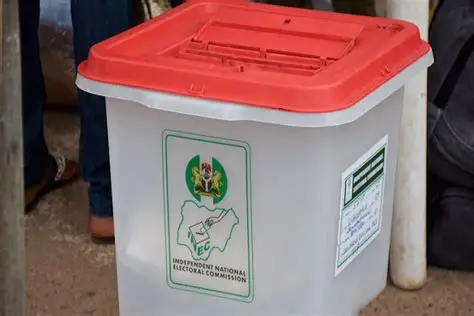
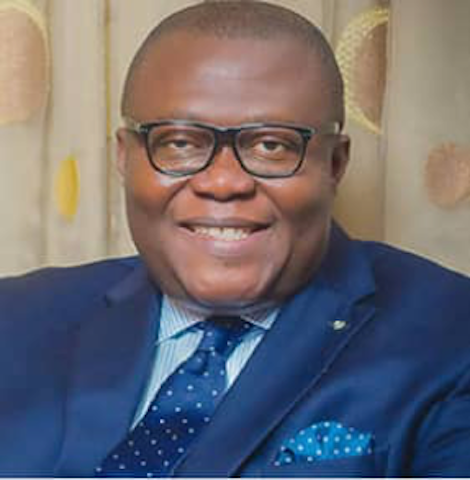
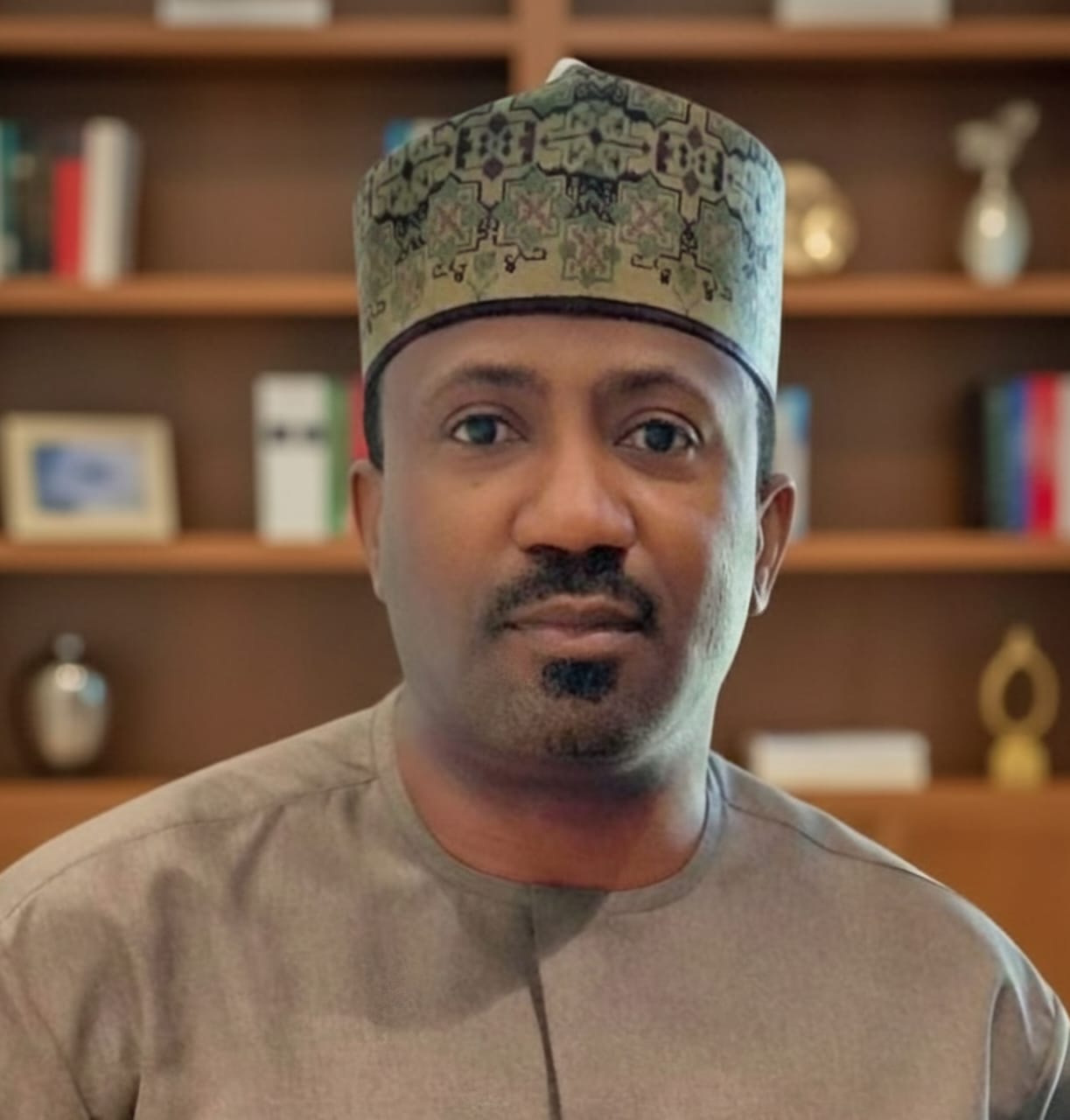
Nigeria’s history with campaign finance is mixed. Studies show that there have been many violations of donation and spending limits in past elections, with weak penalties and little oversight. An INEC official mentioned in one study that those who spend excessively often go unpunished because they are part of a powerful political class. This is why any claims involving a bank CEO and a presidential candidate need careful and independent investigation.
The right institutions should look into any credible evidence they find. The Securities and Exchange Commission (SEC) and NGX Regulation should check any trading records, timelines for disclosures, and ownership structures that could suggest insider trading. The Central Bank of Nigeria (CBN) should look into any governance issues with a regulated bank. INEC should check campaign finance records and the sources of funds as required by the Electoral Act 2026.
If there is enough reason, law enforcement agencies like the Nigerian Financial Intelligence Unit (NFIU), EFCC, ICPC, and the Nigeria Police Force should investigate within their legal powers. The goal should be simple: find the facts, protect investors, and maintain trust in Nigeria’s financial and electoral systems.
This is not about politics. Insider trading and hidden political funding can affect any institution, any leader, and any campaign. The question is not whether Dr Onyeali-Ikpe, Peter Obi, or Fidelity Bank did anything wrong. No regulator has accused them of anything. The real question is whether the necessary records and funding structures should be examined openly and if accountability should apply to everyone, no matter their status.
Drop your comment
No comments yet — be the first to drop the gist 👇