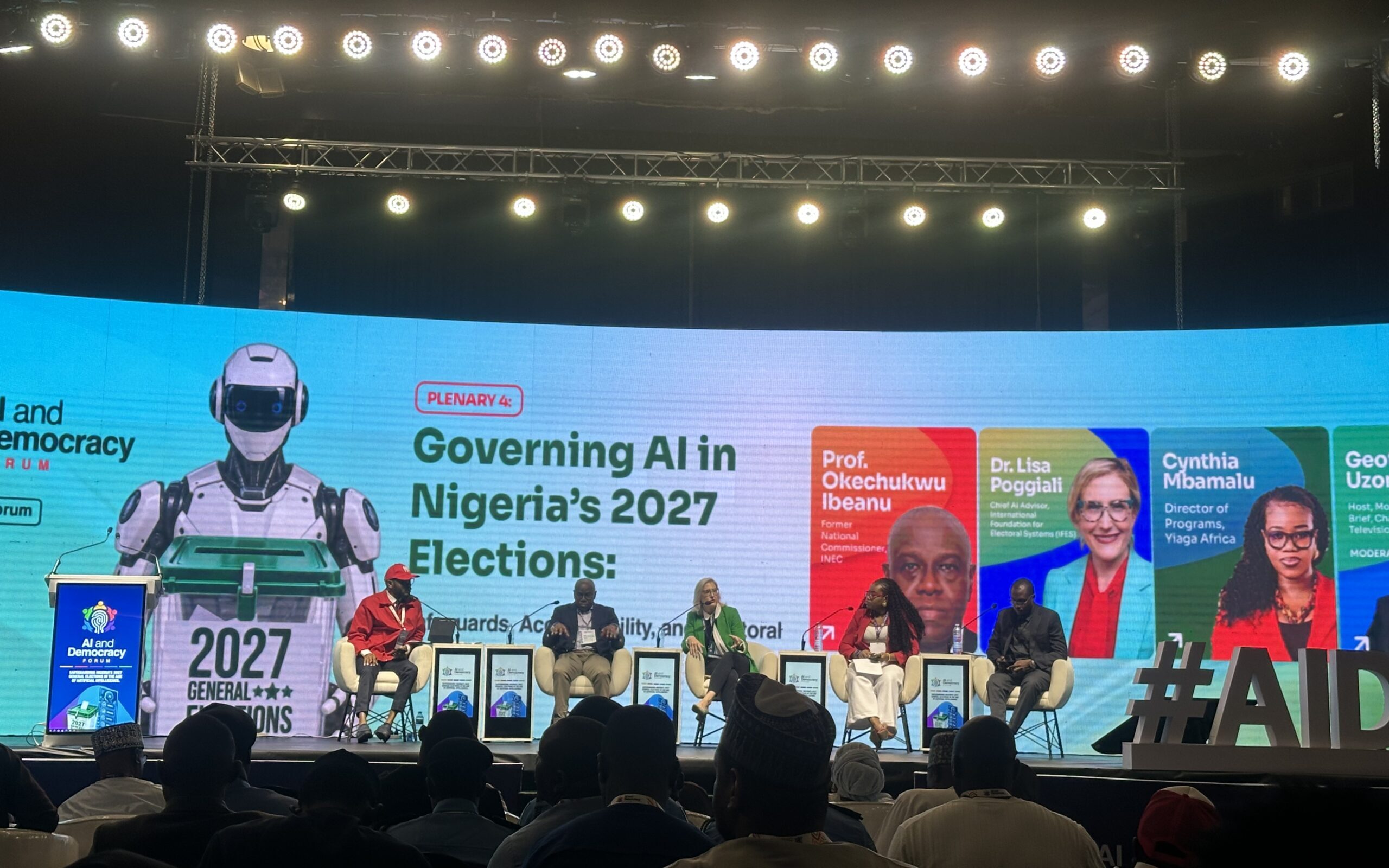
A former National Commissioner of the Independent National Electoral Commission (INEC), Okechukwu Ibeanu, has raised alarms about the commission's plan to use Artificial Intelligence (AI) for managing election results. He believes this could damage public trust in the 2027 elections unless there are clear rules and protections in place.
Mr Ibeanu emphasized that INEC should publish and implement an AI governance framework before using this technology in important areas of election management, especially in processing and managing results.
He expressed worries about using AI to pull figures from physical EC8A result sheets into digital formats. He said Nigerians need to understand how this system will work, how mistakes would be fixed, and who would be held responsible for decisions made with the technology.
Mr Ibeanu made these comments during a session called “Governing AI in Nigeria’s 2027 Elections: Safeguards, Accountability and Elections Integrity” at the AI and Democracy Forum in Abuja.
The forum was organized by Yiaga Africa in partnership with INEC, Microsoft, TikTok, the Centre for Journalism Innovation and Development (CJID), Dataphyte, the MacArthur Foundation, the International Foundation for Electoral Systems (IFES), the German Agency for International Cooperation (GIZ), and other partners.
Mr Ibeanu pushed back against claims that INEC does not have enough time to create rules before the 2027 elections. He stated that the commission could start by issuing preliminary guidelines under its current legal powers while working on a more detailed framework.
“I don’t agree that it is late. It is possible for INEC to make a set of regulations, however preliminary they may be, to make sure that some of these things are brought under control,” he said.
He pointed to Section 151 of the Electoral Act, which allows INEC to create regulations, guidelines, and manuals for managing the law. He also mentioned Section 160 of the Constitution, which grants the commission independence in regulating its own affairs.
The former commissioner noted that INEC has already created a two-year plan for adopting AI, with governance being a key part of it. He said he helped set up the commission’s AI division in 2025 and urged the current leaders to stick to the plan while being more transparent about their intentions.
“One of the main issues in that roadmap was the whole question of governance of AI. And one of the things that INEC itself said it was going to do was to create a committee that will oversee this,” he said.
He mentioned that the proposed committee should include voices from civil society. He called on INEC to clarify the specific roles of this committee and explain how Nigerians can monitor the commission's use of AI.
Mr Ibeanu said the immediate concern is the use of AI in managing election results. He pointed out that the electronic EC8A system seems designed to use AI to pull figures from physical EC8A result sheets. But he questioned how the electronic version would connect to the original result sheets signed at polling units.
“It is not even clear exactly how this is going to work. If there are contradictions, for example, between the EC8A and the electronic EC8A, what will happen?” he asked.
He urged INEC to specify which document would take priority in case of discrepancies and to create a clear method for resolving such issues. The former commissioner also raised concerns about how figures gathered by AI would be sent, checked, and processed later on.
He stated that Nigerians should not have to trust an electoral technology they cannot fully understand or examine. “The danger is to find external suppliers and hand over these things to them. And that will be very, very risky for managing elections,” he said.
He called on INEC to build enough internal technical skills and ensure that the use of AI is guided by clear institutional rules. Mr Ibeanu warned that AI use in the 2027 elections will not only affect INEC but will also see political parties and candidates using technology to analyze election data and interpret results on their own.
He described this situation as an “algorithmic war” where political players might increasingly depend on technology for collecting, analyzing, and interpreting results. He urged that there should be rules on how political parties use AI during campaigns, including labeling AI-generated campaign materials and penalties for breaches.
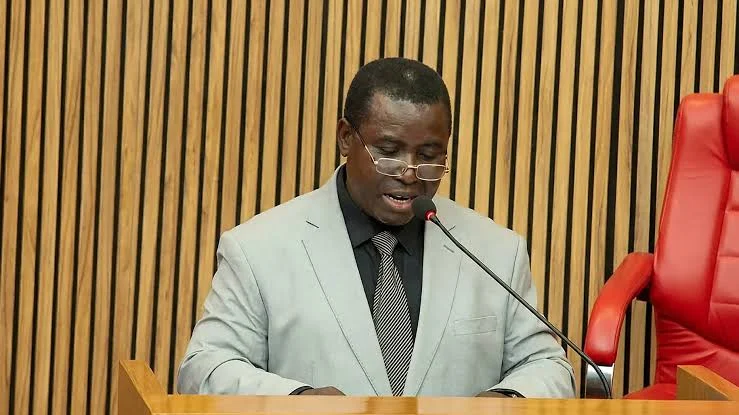
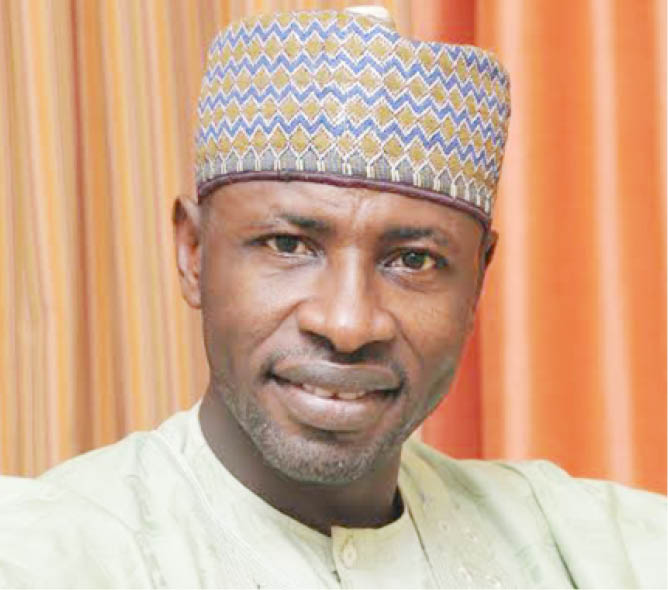
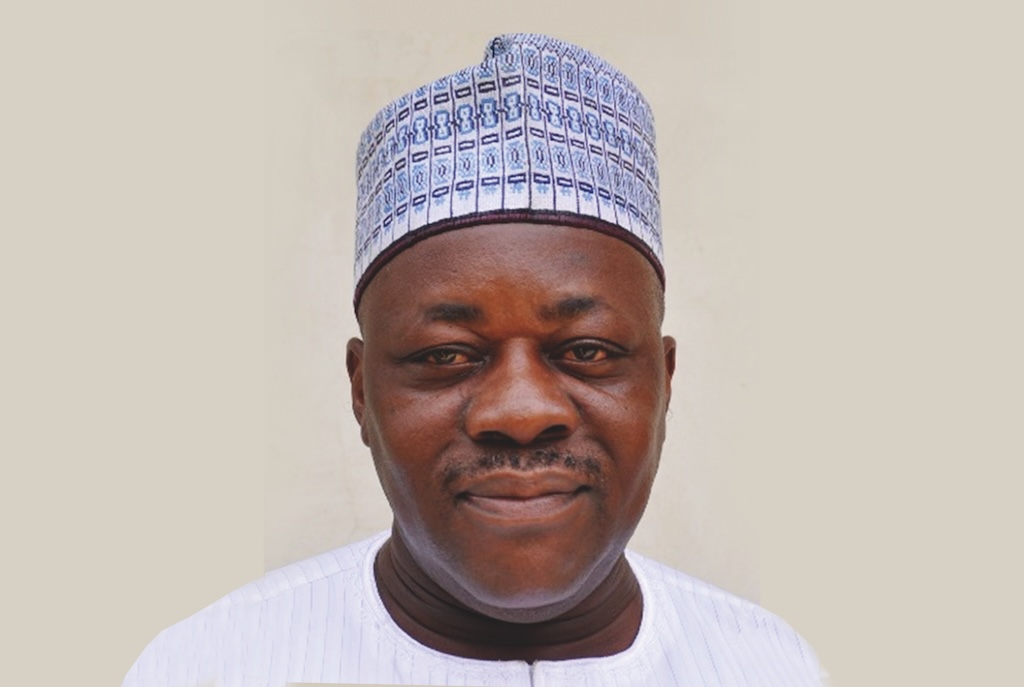
According to him, transparency should start before election day, with INEC providing enough information about the technologies it plans to use and how they will affect the electoral process.
Also speaking, Cynthia Mbamalu, director of Programmes at Yiaga Africa, urged INEC to publish its AI governance framework immediately. She said political parties, civil society groups, the media, and other stakeholders need to examine it.
Ms Mbamalu said Nigerians need to know how election results will be captured, sent, verified, and compiled under the new system. She specifically asked for a full results management protocol that details the process from polling units to the final collation.
“We want from INEC a protocol on results management that clearly states the process from the polling units,” she said. She added that the protocol should indicate who is responsible for verifying results, how to flag issues, and the steps for dealing with discrepancies.
She also called for independent checks of INEC's systems before the elections and suggested the commission involve civil society organizations, political parties, the media, and other qualified stakeholders in the process.
Ms Mbamalu said INEC's planned stress tests should not only focus on voter accreditation but also include uploading and sending election results. She raised worries about cyberattacks on electoral systems and urged the government to make sure election security is a priority in any national AI governance laws.
But she warned against using regulations to limit free speech, suppress dissent, or stifle innovation. She also encouraged tech companies to work with electoral stakeholders to fight AI-generated false information and other threats beyond INEC's direct control.
Lisa Poggiali, Chief AI Adviser at IFES, said AI governance in elections needs teamwork between election bodies, tech experts, lawmakers, and institutions that oversee the process. She noted that while principles like transparency, inclusion, and respect for human rights are widely accepted, the challenge is to turn these principles into practical choices about buying and using technology.
Ms Poggiali cautioned that tech vendors might claim their AI systems are accurate and reliable, but election officials might not be able to verify these claims on their own. She called for transparency when buying, independent checks of AI models, and documented ways to handle issues found by automated systems.
She said human officials must be responsible for decisions involving AI, with specific personnel assigned to review issues and document how they were handled. Ms Poggiali also warned that different AI models could give different results based on how they were trained and the data used.
She said election managers should understand how these models were created, what data trained them, and how they produce results. “AI is not something that we should be trying to deploy in every single aspect of the election,” she said.
She said electoral bodies should first identify which problem they are trying to solve and see if AI is the right solution. According to her, some advanced election management bodies have chosen not to use AI in certain areas because they worry about public trust.
Sami Suleiman of Paradigm Initiative discussed the risks of AI-generated false information, deepfakes, manipulated results, and weaknesses in social media moderation. He warned that old videos of attacks could be shared again, making it seem like they are recent incidents, which could scare voters and keep them from voting.
He also pointed out that real evidence could be dismissed as AI-made, and there is inadequate moderation for African languages along with inconsistent enforcement of online rules. Mr Suleiman called for a risk-based and human-centered approach to AI governance, including independent electoral oversight, quick-response measures, audits, enforcement actions, and ways to appeal decisions.
He noted that some AI systems used in Africa were developed using data that might not reflect local populations, leading to risks of unfair treatment and unreliable results.


Drop your comment
No comments yet — be the first to drop the gist 👇