The federal government has approved N15 billion for the Safe Schools programme in 2026.
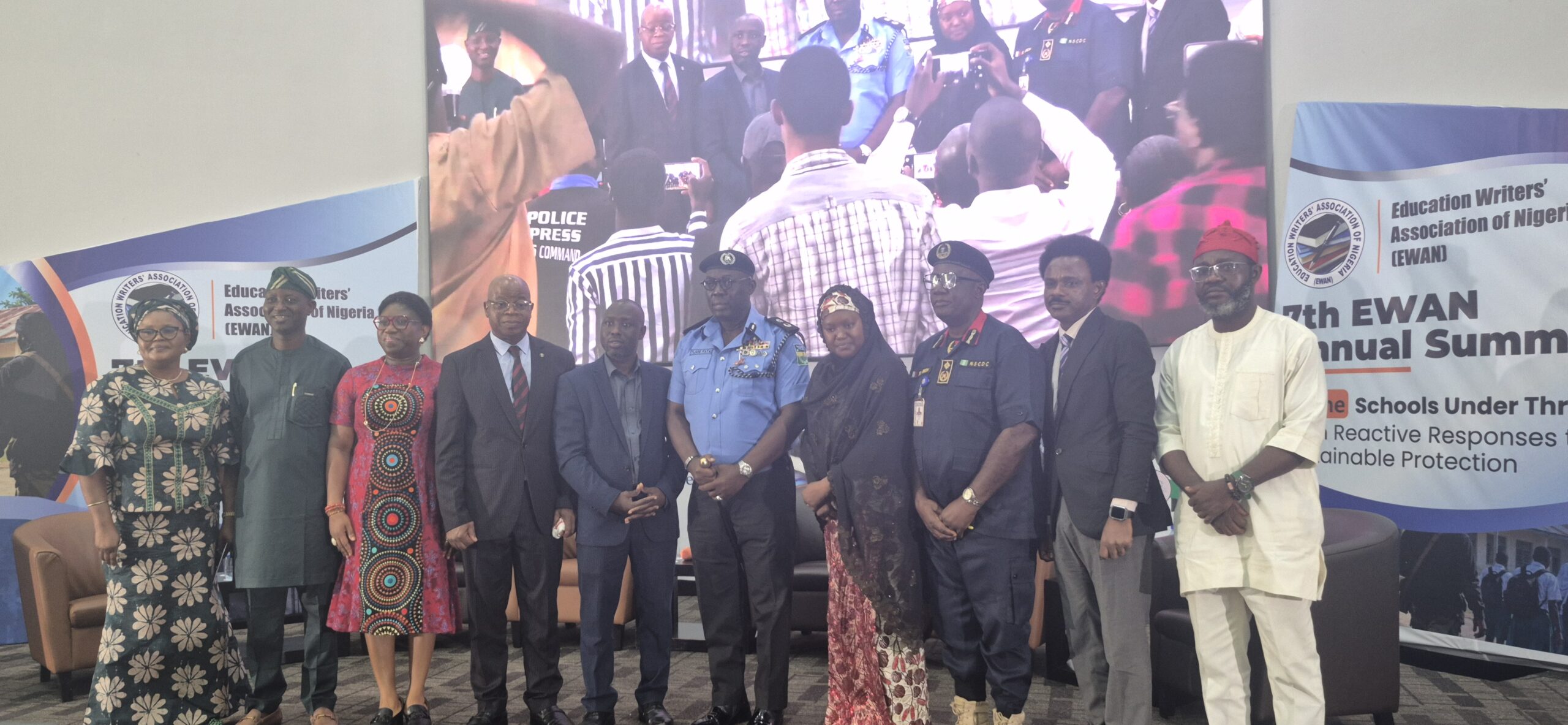
Halima Iliya, the National Coordinator for Financing Safe Schools in Nigeria, shared this news on Wednesday. She spoke during a panel discussion at the seventh annual summit of the Education Writers Association of Nigeria (EWAN) in Lagos.
The summit, themed “Schools Under Threat: From Reactive Responses to Sustainable Protection,” gathered education stakeholders, government officials, security agencies, parents, teachers, students, and civil society groups. They came together to discuss how to protect schools better.
Ms Iliya mentioned that the 2026 allocation shows the government's ongoing support for the Safe Schools programme. This programme started after the 2014 kidnapping of 276 schoolgirls in Chibok, Borno State.
"I can authoritatively say this: the government has shown political commitment in the 2026 budget for this intervention. So we have 15 billion that has been approved, and we have started," she said.
She explained that the implementation starts with mapping the three senatorial zones in each state. This mapping will help guide training and security efforts in the host communities.
"We have developed maps of the three senatorial zones of each state to focus training on the entire host community, to be able to give us intelligence," she said.
According to Ms Iliya, the State Security Services (SSS) and defense intelligence have trained personnel across the country. They have also deployed security assets to various locations.
She said the programme aims to build security around schools by getting the whole community involved. This includes hunters, vigilantes, and forest guards to help detect and respond to threats.
The 2026 funding comes after the government released about N15 billion to agencies responsible for the National Plan on Financing Safe Schools. Full implementation of this plan began in 2023.
The Federal Ministry of Information mentioned that the National Plan on Financing Safe Schools, created in December 2022, will run from 2023 to 2026. The total investment planned is N144.86 billion. This plan aims to improve security agencies' response abilities and create secure communities.
Ms Iliya said the programme has grown to include needs assessments for vulnerable schools and communities. It also includes a database of at-risk locations, a national response coordination center, and training for parents, teachers, and students.
This new funding comes as attacks on schools and kidnappings of students and teachers continue.
A PREMIUM TIMES analysis shows that armed groups have kidnapped over 2,000 students in about 30 incidents since 2014.
In May, 42 children were taken from a school in Mussa, Borno State. Meanwhile, 46 pupils and staff were kidnapped from three schools in Oriire, Oyo State. The victims from Oyo were released after 56 days in captivity.
Ms Iliya urged state governments to support the federal intervention by adding Safe Schools measures to their annual budgets.
She praised Lagos State for its efforts and called for more state involvement in funding and implementing school safety measures.
In his welcome speech at the summit, EWAN chairperson Mojeed Alabi said journalists should not just report attacks or government announcements. They should also follow up on how resources for school protection are used.
Mr Alabi urged education journalists to check if the funds allocated for school safety are spent properly and if the announced measures are being put into action.
"When funds are allocated, investigate whether they are used as intended," he said.
The Executive Director of the Wole Soyinka Centre for Investigative Journalism (WSCIJ), Motunrayo Alaka, also encouraged education journalists to dig deeper. They should look into what makes schools unsafe, not just report on the attacks.
Ms Alaka suggested that journalists examine patterns of school insecurity and visit schools regularly. They should check if basic safety measures are in place instead of only focusing on crises or government actions.
She added that education journalists should know the standards for safe schools, including security infrastructure. This knowledge will help them identify gaps and encourage action before attacks happen.
Drop your comment
No comments yet — be the first to drop the gist 👇