As discussions go on at the 17th session of the United Nations Convention to Combat Desertification (UNCCD COP17) in Ulaanbaatar, Mongolia, getting funds for land restoration is a key issue. This is important for fighting desertification, drought, and land degradation.
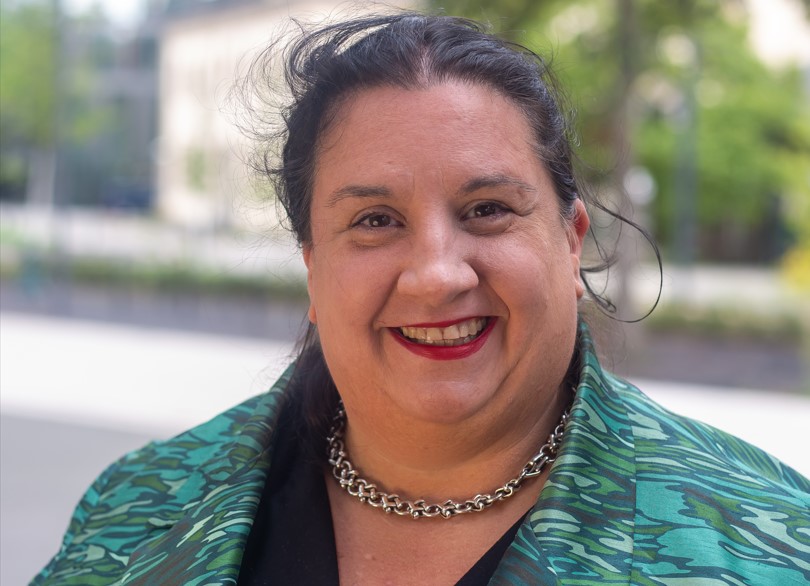
In an interview with PREMIUM TIMES at COP17, Louise Baker, Director of the UNCCD Global Mechanism, said African governments must go beyond funding projects one at a time. They need to create large, bankable landscape programs that can attract both public and private investment.
At COP17, around $1.3 billion in new and planned finance has been announced for rangelands. This shows a growing interest in seeing restoration as an investment instead of just a development or humanitarian effort. In this chat, Baker talks about ways to unlock large-scale investment, how Nigeria can make rangeland restoration appealing to investors, the support available for countries with plans but no investment-ready projects, and how carbon finance can be set up to benefit farmers and pastoralists.
Financing Mechanisms
PT: What specific financing mechanisms can unlock investment at scale for land restoration in Africa?
Baker: The main issue is not finding a big fund. It is about moving restoration from reliance on aid to being an investment opportunity. There are four main approaches right now. The first is project preparation. The main issue is not really money; it is having a pipeline. Development banks mentioned this during Finance Day. Project preparation support helps countries get funding from institutions like the Global Environment Facility (GEF), Green Climate Fund (GCF), and development banks. The second approach is using sovereign and structured instruments. Debt-for-nature swaps and nature-performance bonds can bring different financiers together for one national program.
The third is domestic policy levers, which can be very effective. These include tax incentives for restoration, payments for ecosystem services, and changing harmful subsidies. The fourth approach is risk-sharing instruments, such as guarantees, first-loss capital, and index-based insurance. At COP17, we have seen $1.3 billion in new and planned finance for rangelands.
Moving to Large Programs
PT: How do African governments shift from project-by-project funding to large, bankable landscape programs?
Baker: There are three changes needed, and Nigeria is in a good position for all three. First, aggregate. Combine many community-level efforts into one investable project instead of trying to manage 30 separate donor conversations. Second, treat restoration like infrastructure with a revenue line. Investors want to see a return on investment, whether economic, social, or environmental. This means creating programs that restore the land while also adding value through livestock value chains, gum arabic, fodder, dairy, irrigated farming, and water security for users downstream. Third is creating an enabling environment. This means clear land tenure and a national green taxonomy that helps local banks classify and lend to green projects. Mongolia, as the host of COP17, has set a 10 percent green lending target by 2030, published a national green taxonomy, and started the first national Business4Land Hub. Nigeria can adopt this model, especially since it has the largest capital market in the region.
Attracting Investors to Nigerian Rangelands
PT: What would make Nigerian rangeland restoration financially appealing to investors instead of just being a government cost?
Baker: This is a key question, and 2026, the International Year of Rangelands and Pastoralists, is the time to consider it. A report released here on Monday estimates the annual benefit from rangelands to be between $21 trillion and $47 trillion, which is about $5,000 per hectare each year. Restoring rangelands usually yields $4 to $6 for every dollar invested, going up to $36 when including wider public benefits like water supply. Rangelands make up more than half of the Earth's land and support around two billion people, including about 500 million pastoralists. Up to half of these rangelands are degraded or at risk. In Nigeria, authorities say more than half of rangelands and grazing routes are degraded, with 23.4 percent of the national territory, about 21 million hectares, also degraded. So this asset is important, but it has been overlooked. "Rangelands" are mentioned in the national climate plans of only 24 countries, compared to 181 for "forests."
Four factors can make Nigerian rangeland restoration attractive to investors: First, secure land and grazing rights. No investor will put money into a long-term asset on disputed land. In Nigeria, this is also a security issue, given the farmer-herder conflict. Land tenure is crucial. Second, a commercial anchor is necessary. Markets for livestock, dairy, leather, and fodder can help finance restoration through a value chain instead of relying on government budgets. Third, there need to be risk instruments that match rangeland risks, especially drought. Index-based insurance can protect both borrowers and lenders in bad rainfall years. Fourth, a project pipeline is needed. That is what the Rangelands Flagship Initiative aims to create. I hope to see more Nigerian projects in the pipeline soon.
Support for Investment-Ready Projects
PT: What practical support can the Global Mechanism provide to countries that have plans but no investment-ready projects?
Baker: The Global Mechanism under Article 21 helps countries find resources. We offer help with target setting and project development. We work with governments to turn national priorities into programs that fit the needs of the GEF, Green Climate Fund, development banks, and commercial co-financiers. This includes feasibility studies, results frameworks, financial structuring, and matching projects with the right funding sources. We also support national drought plans through the Drought Initiative, which increasingly serve as investment plans rather than just policy documents. The RGDRP and DRIF are on the way. There is also private-sector matchmaking through Business4Land and national Business4Land Hubs, which connect governments with banks, businesses, and project developers. We also help find blended and concessional capital. Sometimes, we offer small direct grants. Together with the Korea Forest Service and UNDP, we just launched a call under the Greening Drylands Partnership, with $2.4 million going directly to innovative community-level implementers.
Benefits of Carbon Finance for Farmers
PT: How can carbon finance and private investment benefit farmers and pastoralists rather than create new inequalities?
Baker: In our paper, From Carbon to Co-benefits: Scaling Carbon Finance for Land, Livelihoods and Long-Term Resilience, we looked at how carbon markets are growing fast, from about $3 billion today to a forecast of $30 billion to $100 billion by 2030. But many times, the benefits do not reach the people taking care of the land. We believe a credible land-based carbon project must meet three requirements.
First, there must be measurable improvements in land health. These should match land degradation neutrality principles and include soil organic carbon, land cover, and productivity, not just carbon tonnes. Second, communities should take part in project design from the beginning, hold rights, and ideally have equity. In Burkina Faso, TreeAid set up a program where communities keep a long-term equity share in the credits, around one million credits. This allows them to benefit from any future price increases rather than just being paid once. Rabobank’s ACORN platform lets smallholders keep up to 80 percent of the revenue from their carbon removal units. Third, there needs to be affordable measurement, reporting, and verification (MRV). Systems that only large developers can afford may leave out smallholders and communities.
Two key design elements impact cash flow: pre-financing and forward sales of credits. These ensure farmers do not have to cover costs for years before getting paid. The other is digital aggregation, which makes it easier for small farms to become an investable unit without losing the value they create.
To be honest, carbon is just one tool, but it is not the complete solution. Drylands are often overlooked in carbon markets, and many benefits from rangeland restoration, like water retention, drought resilience, and biodiversity, do not count as carbon tonnes.
That is why we are also looking at biodiversity credits and resilience credits closely. Governments play a key role through national registries, clear rules on credit ownership, and effective enforcement. If done right, carbon finance can provide real income for pastoralists and farmers instead of being another way to exclude land managers from its economic value.



Drop your comment
No comments yet — be the first to drop the gist 👇