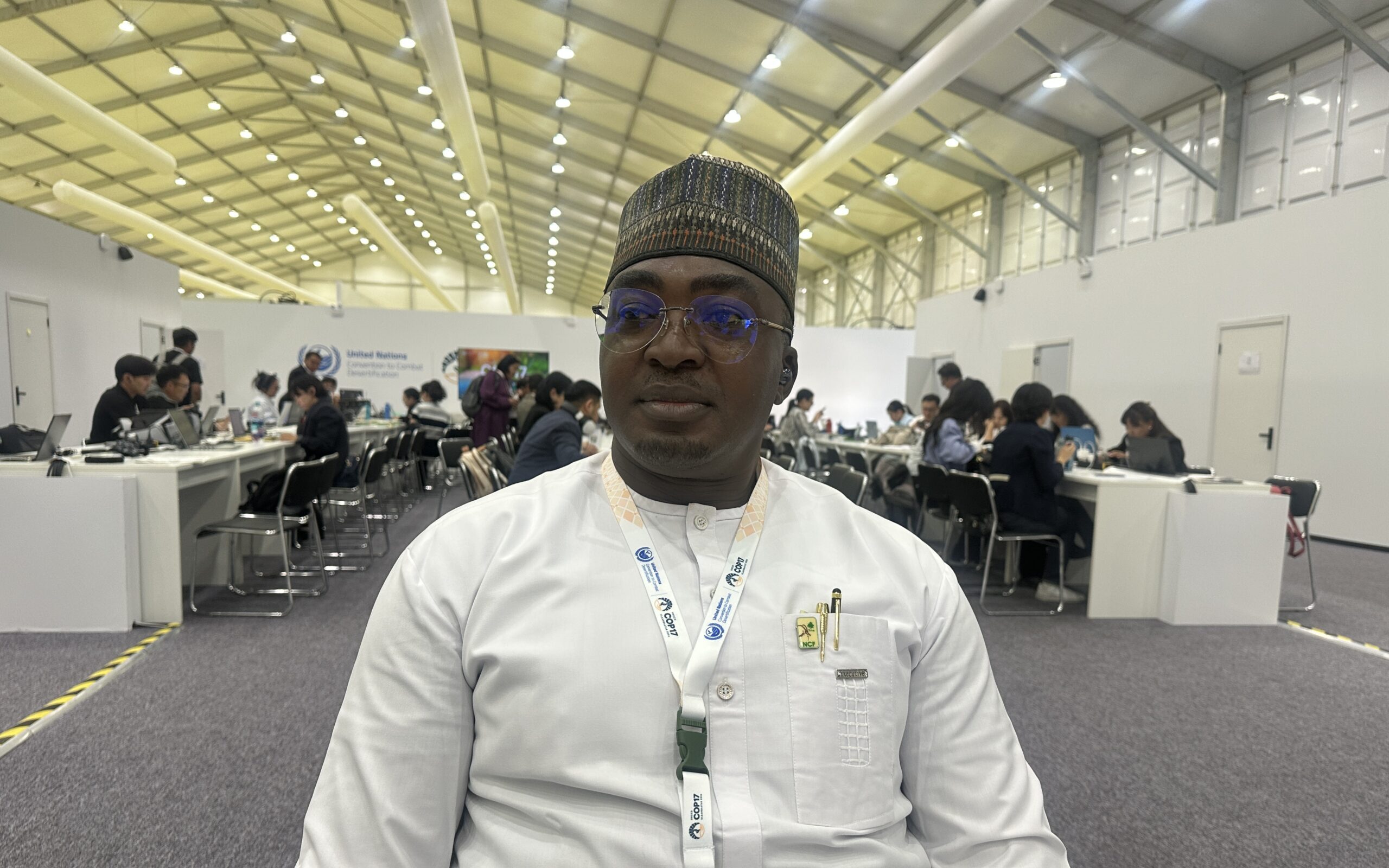
Joseph Onoja, the Director-General of the Nigerian Conservation Foundation (NCF), talks about Nigeria’s serious land degradation issues, the need for money to protect the environment, and the importance of working together on the three main UN environmental agreements.
In this chat, Mr Onoja spoke with PREMIUM TIMES’s Abdulkareem Mojeed during COP17 in Mongolia. He shared details on NCF’s Green Recovery Nigeria project and Nigeria’s chance to get some of the $1.3 billion in funding announced at COP17 in Ulaanbaatar, Mongolia on Monday.
PT: Why is the Nigerian Conservation Foundation at COP17 in Mongolia?
Onoja: At NCF, we want to achieve our goals and work closely with the Nigerian government, especially the Federal Ministry of Environment. One of our key projects is Green Recovery Nigeria. This project aims to restore Nigeria’s damaged landscapes, especially our forests. Our land is degrading. Some people wrongly think discussions about the UN Convention to Combat Desertification only involve deserts. It is more than that.
It also includes forests and other lands because we are talking about land degradation. Nigeria has also promised to achieve Land Degradation Neutrality (LDN). When you make that promise, you must ensure your lands stay healthy for farming, wildlife, and fighting climate change. Whether it is desert, savannah, or forest, we need good quality land everywhere. That is why NCF is committed to restoring Nigeria’s landscapes, especially through Green Recovery Nigeria.
PT: You are in Mongolia at a time when funding is a big topic at COP17. How are you dealing with funding and how can Nigeria and Africa benefit?
Onoja: Most funds are usually promised to governments. As NCF, our role as a technical partner is to help the government create projects that can attract these funds. There are many ways the government can access these funds. It all goes through the Federal Government, particularly the Federal Ministry of Environment and the department that manages land. Any funding we seek through the UNCCD has to follow that route, but there are other funding options that organizations and NGOs can reach directly. Events like this conference help bring together people with similar goals.
When it comes to funding, promises will be made, but most of these go to governments. Still, these events also allow us to connect with funding organizations willing to support NGOs, local communities, and indigenous people doing the real work. That is where we come in as NCF. But we must ask ourselves: what will we do with the money? That is the first question. You need to be ready to access these funds because they are there. The main point is: what will you use them for?
That is why we developed Green Recovery Nigeria. It covers everything. By restoring our landscapes, we support biodiversity, climate action, and other environmental goals. It also offers natural solutions to problems like biodiversity loss and climate change impacts.
PT: Do you think Nigeria has a good chance of getting some of the funding promised at COP17, like the $1.3 billion?
Onoja: That is a question for the government to answer. All we can do is support them. As a technical partner, we can help with our expertise in creating projects, figuring out needs, and finding areas for help. We can work with the government to prepare the necessary documents and ensure they are in a good position to access these funds.
PT: How bad is land degradation in Nigeria?
Onoja: Nigeria has different ecosystems and habitats. We have everything from mangroves to deserts. Desertification is moving into some areas of Nigeria. Regions that used to be Sahel savannah are now facing desertification. We also have serious forest degradation. Nigeria has one of the highest rates of deforestation, and this leads to land degradation. When vegetation is removed, the land is left vulnerable to erosion.
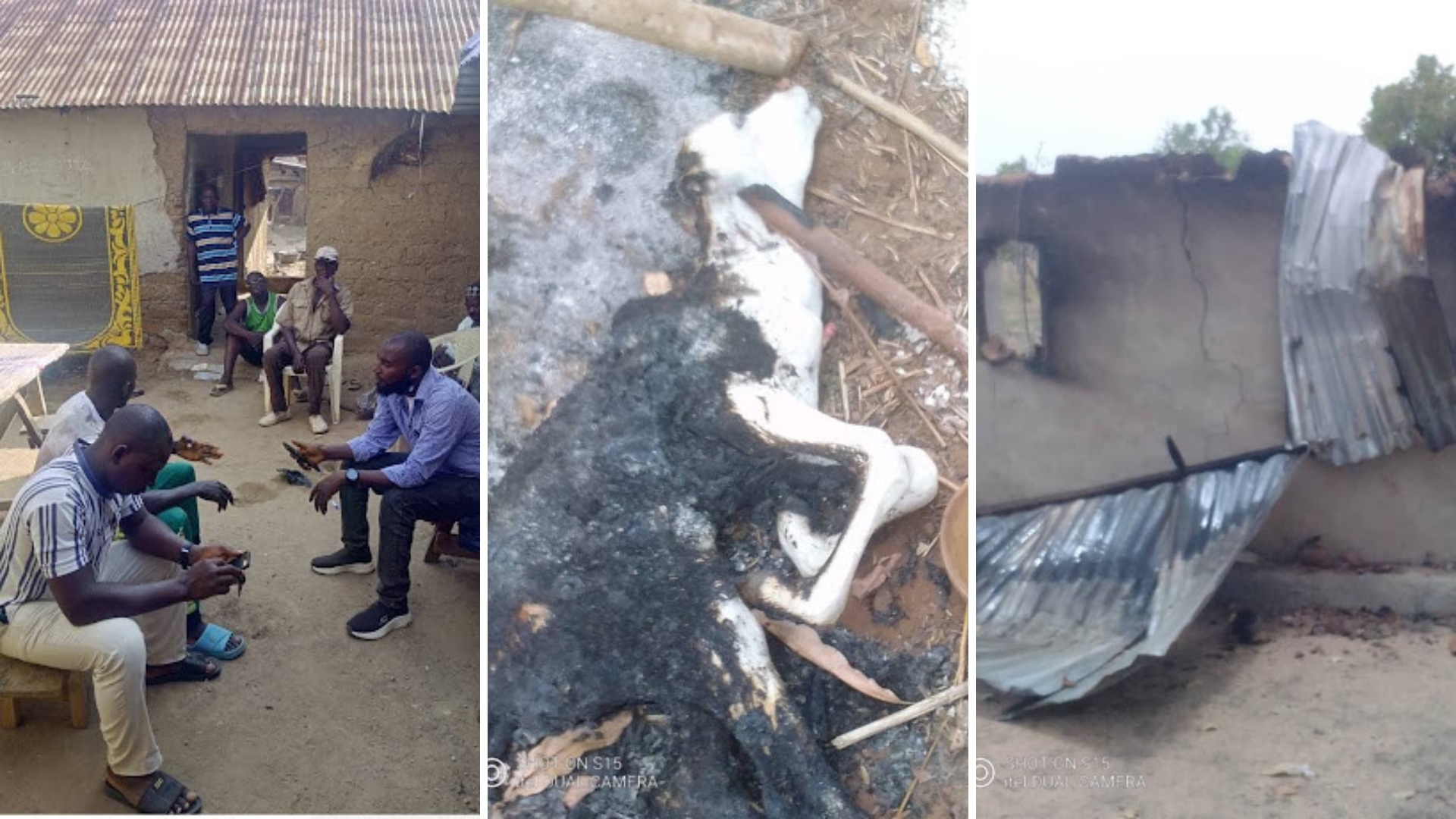
When erosion removes the topsoil, the land cannot provide the services it should. Nigeria is also a mining country, and illegal mining is a big issue. Mining without proper environmental care leads to land degradation. Even grazing livestock can contribute to this problem under certain conditions.


All these factors need to be understood. When we look at land degradation closely, we can manage our land better. That is why it is good that the relevant government department is focused on land management. We must manage our land properly. Nature is meant to support us, but we must also support nature to keep it functioning. If we neglect nature, it will struggle to support us, even if it still exists.
PT: Is Nigeria doing enough to fight land degradation and environmental challenges?
Onoja: No, we are not doing enough. Our country needs to do much more. Nigeria is large and diverse, so there is always more to be done. If you consider different landscapes, especially in the northern states, you see why projects like the Great Green Wall are vital. Thankfully, Nigeria has the Great Green Wall Agency, which is working to create a green belt to stop the desert from spreading south. This shows a real effort to tackle the problem.
PT: What more should the government do?
Onoja: I must say that the Federal Ministry of Environment is one of the least funded ministries. It does not get the funding it needs. If you look closely, the Federal Ministry of Environment should have more funding because its work supports many other sectors. Without a healthy environment, you cannot have a healthy country.
You cannot succeed without a good environment. Some of the conflicts in Nigeria come from environmental issues. Take farmer-herder clashes, for example. Forget the rumors and look at the real cause. One reason is migration, and land degradation causes that migration. When land degrades, people and their animals must move. But the new area is not empty. People are already living there.
Often, this movement happens suddenly. There may not be enough time for talks, sharing resources, or discussions before the move. This can lead to conflict because resources must be shared. That is why I believe the Federal Ministry of Environment needs much more funding. Proper funding can create a foundation for better agriculture, food security, and economic growth. It can help manage mining activities and ensure we know where and how to mine sustainably. The environment is the base on which everything else relies.
PT: As COP17 comes to an end, what do you see as NCF’s biggest achievement here, and what do you want Nigeria to achieve?
Onoja: For us at NCF, we want to see more cooperation among the three main environmental agreements: the UN Framework Convention on Climate Change (UNFCCC), the Convention on Biological Diversity (CBD), and the UN Convention to Combat Desertification (UNCCD). The goals of these agreements should not clash because they are all linked. When you talk about land degradation, it falls under the UNCCD agenda.
You also see its effects in biodiversity and climate change. As an organization, we want to encourage better cooperation among these agreements. We have talked about this at the climate change COP, and we will continue the discussion at the biodiversity COP before returning to climate and land negotiations. This conversation must keep happening at the country level to make sure our actions do not hurt the goals of another agreement.
We also hope to form partnerships with other organizations and find opportunities for funding. Some funding organizations have goals that match what we want to do in Nigeria and could provide the support we need. Whatever we achieve here can also help the Nigerian government, even though I am not speaking for them.
PT: Thank you for your time.
Onoja: Thank you.

Drop your comment
No comments yet — be the first to drop the gist 👇