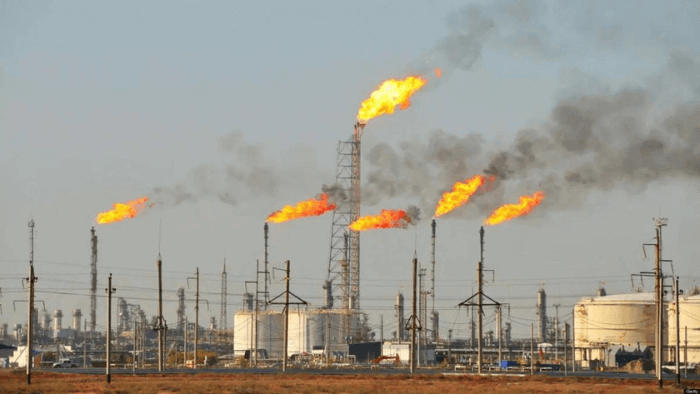
The saying that a frog will enjoy the warm water in a pan until it is cooked is quite popular, even though it is not true. No frog will stay in boiling water enjoying it until it dies. Some countries and companies addicted to fossil fuels think they can avoid the effects of global warming before it gets too hot. This focus on oil money led Saudi Arabia, Russia, and other oil-producing nations to refuse to mention fossil fuels in the draft decision document of the failed COP31.
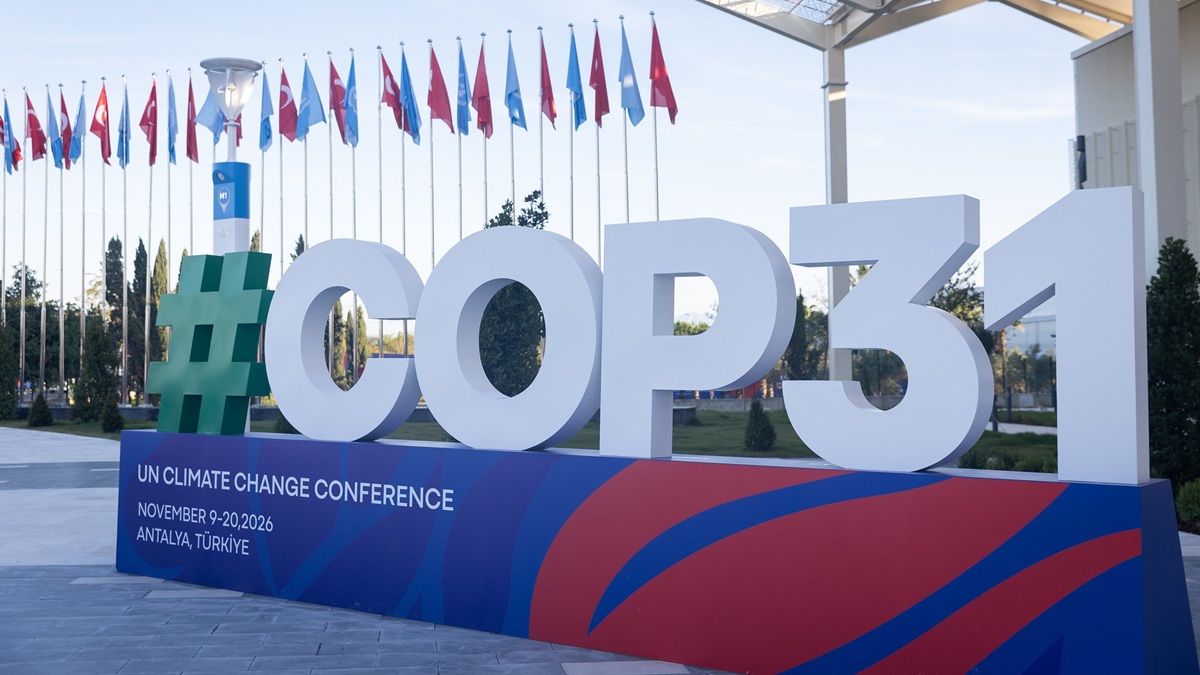
It is indeed sad that COP21 in Glasgow agreed to phase down, not phase out coal. COP28 in Dubai talked about moving away from fossil fuels, and COP30 in Belem provided plans for this transition. Yet, COP31 in Antalya completely ignored fossil fuels, not even mentioning them once.
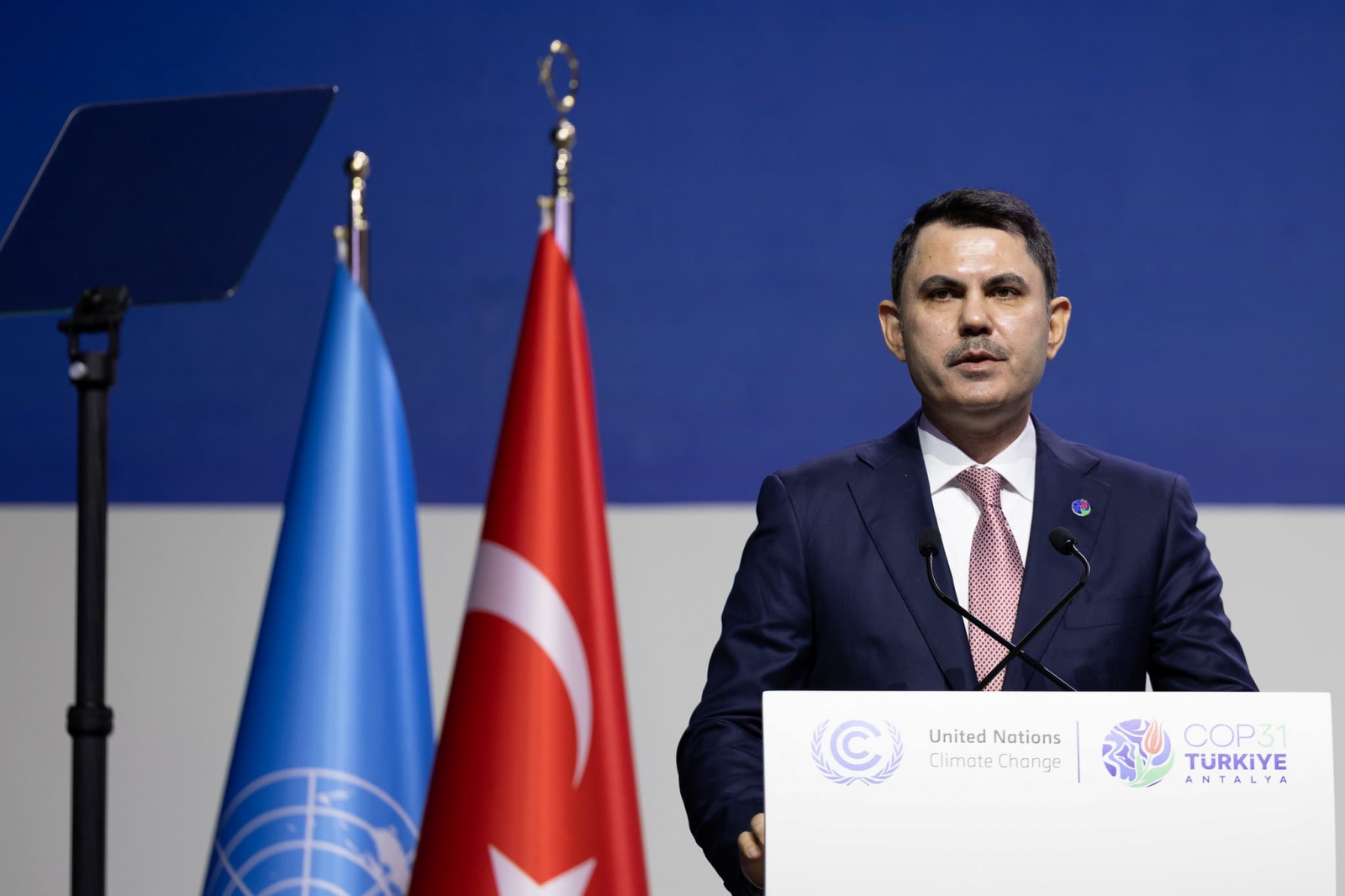
I reluctantly attended the conference in Antalya and now wish I had spent that time doing something more worthwhile. It became clear that COP31 would not provide the needed climate action, despite what the United Nations Secretary General said. As the COP ended with no agreement, the UNSG shared a strong reaction that deserves a full quote.
"There may be no consensus in the negotiating room. There is no ambiguity in the science. Temperatures keep shattering records. Climate extremes keep intensifying. Emissions remain far too high. And every delay makes our task harder and more costly. The world is now poised to exceed the globally-agreed limit of a 1.5 degrees temperature rise. The window to keep that overshoot as short and shallow as possible is rapidly closing. The take-home message from COP31 is clear: the world must do much more to confront the climate crisis, and it must do it now. That starts with facing up to how we got here. Those who profit from the destruction of our planet must never dictate the terms of the fight to save it."
How did we reach this point? The answer lies in how we measure global warming, which starts from pre-industrial levels. This is why the Paris Agreement set temperature targets of 1.5C and below 2C above pre-industrial levels. The most ambitious target of 1.5C is higher than the 1C that African negotiators insisted on at COP15 in Copenhagen. Right now, the UNFCCC says that with the emissions reduction promises made by countries in their third Nationally Determined Contributions (NDCs), the world is heading for a temperature rise of about 2.6C. For Africa, this means a drastic temperature rise of 3.9C.
The last time no agreement was reached at a COP was during the 15th one in Copenhagen. The result, the Copenhagen Accord, was created by a few nations and imposed on the COP. This Accord introduced voluntary emissions reductions by countries and began to undermine the climate justice principle of Common But Differentiated Responsibilities (CBDR) found in the UNFCCC. The voluntary emissions approach was solidified in the Paris Agreement, allowing polluting countries to avoid taking responsibility for 80 percent of the carbon budget and treating the climate crisis as a minor issue. We remember that the consensus at the COP in Cancun was reached by ignoring Bolivia's concerns over voluntary emissions reductions.
Another major issue at COP31 was climate finance. Past promises, especially from the Copenhagen COP, have been more like wish-lists that were never fulfilled. Even the Loss and Damage fund established at COP27 in Sharm El-Sheikh has not received enough money to help vulnerable developing countries address the loss and damage caused by climate change. Over the last two COPs, pledges for the Fund were made, and the World Bank was chosen as the trustee and secretariat host. According to the Fund’s report presented at COP31, pledges from countries have totaled only $822.71 million, with about half that amount actually received.
Comparing this funding level to the $2.8 billion requests received shows a huge gap between promises and reality. It is clear that lack of funds is not why polluting nations are reluctant to give climate finance. The main reasons include clear neocolonial attitudes and refusal to accept responsibility for climate science. To clarify, rich polluting countries spend nearly $3 trillion on military weapons every year. In fact, the cost of a few missiles is more than enough to support several nations in their fight against climate impacts.
Developing countries facing the worst climate effects have called for more funds in the Adaptation pot. But with polluters and those sabotaging climate talks, there is more focus on funding for mitigation. The draft COP31 decision document opened the door for untested technologies that would not solve the climate crisis but would worsen the problems faced by poor nations. The document, which will be sent to COP32 in Addis Ababa, is filled with "carbon dioxide removal technologies and approaches" that hint at geo-engineering our oceans, land, and sky.
COP31 lived up to its reputation as a gathering of polluters. It was blinded by fossil fuel lobbyists and promoters of false solutions, especially carbon removal and so-called nature-based solutions, which may involve adopting elephants, lions, rhinos, and whales as carbon sinks. With the increasing number of extreme weather events, the refusal of fossil fuel tycoons to think about the people and the planet and stop their obsession with fossil fuels is hard to understand.
It is time to create a people's COP based on the success of the 2010 Cochabamba People’s Summit on Climate Change and the Rights of Mother Earth. We need to go beyond COPs to make real changes with real solutions based on the principle of Common but Differentiated Responsibilities and Respective Capabilities. Any real and effective solution must include a fair playing ground and a change in mindset about climate justice and who should be heard. It is time for a Conference of the Peoples, a people’s COP.

Drop your comment
No comments yet — be the first to drop the gist 👇