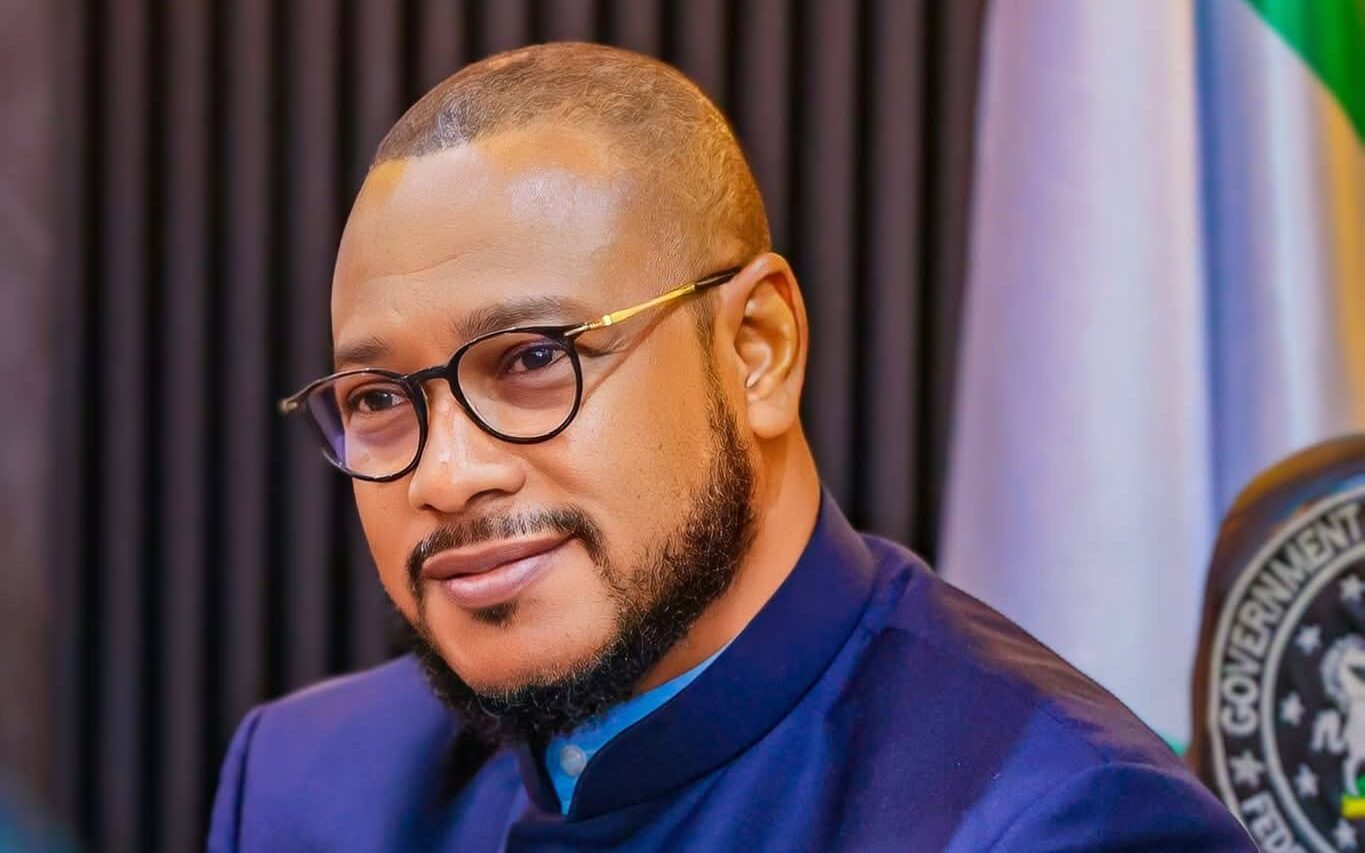
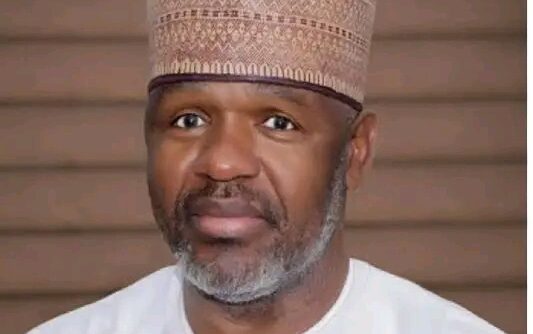
No government should escape criticism. Criticism helps to keep it accountable. In Zamfara State, the current debate shows this clearly. At a meeting, members of the All Progressives Congress (APC) expressed frustration over Governor Dauda Lawal’s choice to focus on the state’s development instead of rewarding political allies. This raises an important question: should public resources serve political friends or the common good?
Some party members feel that Governor Dauda Lawal is too careful in handling the state’s money and not generous enough with the politicians who helped him get elected. Perhaps his background as a banker influences this cautious approach. But there is a key difference between being financially responsible and ignoring political relationships.
Governor Lawal recognizes that party members should be rewarded. Evidence shows that some have received contracts worth billions of naira. The real issue is not whether these members have benefited, but how much they should benefit and whether they should have ongoing access to public resources without offering any services in return.
At the core, this dispute is about entitlement and maintaining a system of political patronage that was common in previous governments.
The timing of these complaints is also important. With the 2027 elections coming up, some party members may think they can pressure the governor to revert to the old ways. Some complaints might be genuine, especially from those who struggle to meet contract requirements. But others might just show frustration toward a government that does not share public resources with political loyalists.
Governor Lawal has denied claims of favoritism in contract awards. He admitted that there is a communication gap allowing some beneficiaries to deny receiving benefits. He has promised to make contract details public, including values and names of beneficiaries. This move addresses three issues at once.
First, transparency will make it harder for beneficiaries to deny receiving contracts. Second, it will increase accountability by allowing people to check how public contracts are awarded. Finally, it will help Governor Lawal focus on the vital task of developing Zamfara State.
To help more party members compete for contracts, Governor Lawal should add a training program to his financial inclusion initiative. This program should teach interested members about public procurement processes and eligibility criteria. This way, they can compete fairly for contracts based on merit without compromising transparency.
The situation in Zamfara goes beyond the state. It gives Nigerians a chance to think about an ongoing issue in politics: measuring a government’s success by how generous it is to political supporters, especially in terms of contracts and appointments. Political parties are meant to win elections and bring policies that improve lives, not just to enrich their members. Competent party members should be able to compete for contracts, but these opportunities must be based on merit and the public good.
Politicians need to understand clearly that their financial and political support does not give them a right to public funds. A government’s success should be judged by its performance and the benefits it brings to the people it serves. This principle is important in Zamfara, where the government faces serious challenges in security, education, healthcare, and infrastructure. Public resources should be used for the greater good.
The main question is this: by not spreading public resources carelessly among party members and awarding contracts to those who can deliver, has Governor Lawal improved Zamfara State? The answer is a clear yes.
The main duty of government is to protect lives, property, and the welfare of citizens. Section 14(2)(b) of the 1999 Constitution of Nigeria states that "the security and welfare of the people shall be the primary purpose of government.” Section 14(2)(a) says that sovereignty belongs to the people, who give the government its power. These laws highlight the government’s duty to serve the public interest and protect the people.
Although the police and military are mainly under federal control, Governor Lawal has not stood by while security problems affect his people. He has funded security operations, supported local security initiatives, and worked with the military to fight terrorism and banditry. His actions show that a government can take practical steps to protect its citizens and help restore peace.
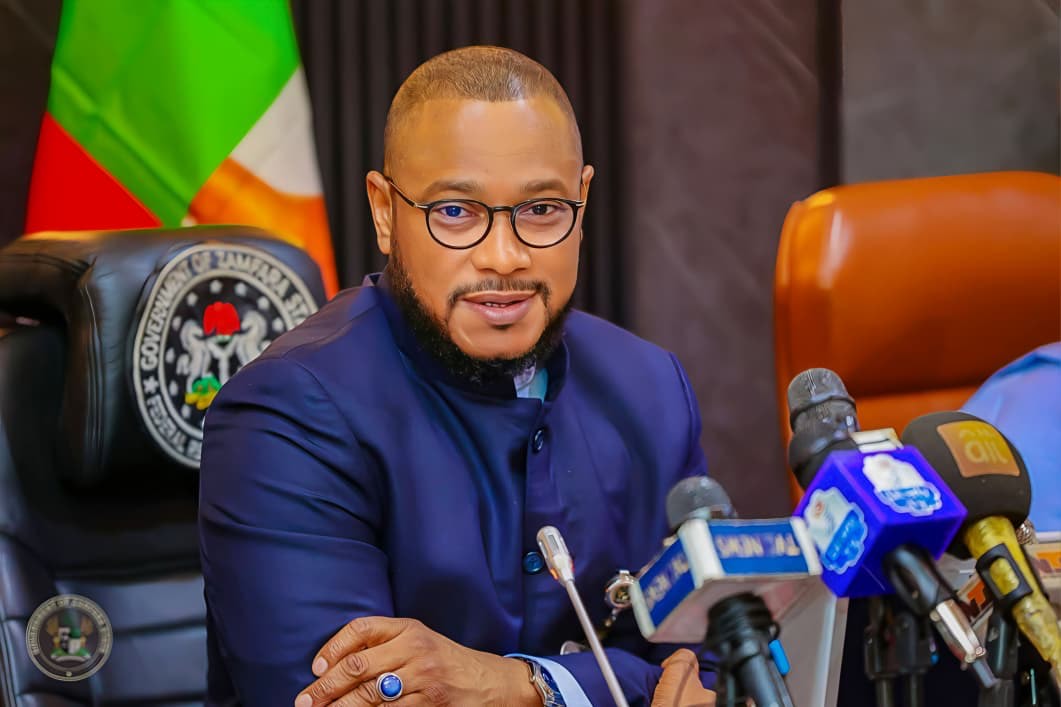
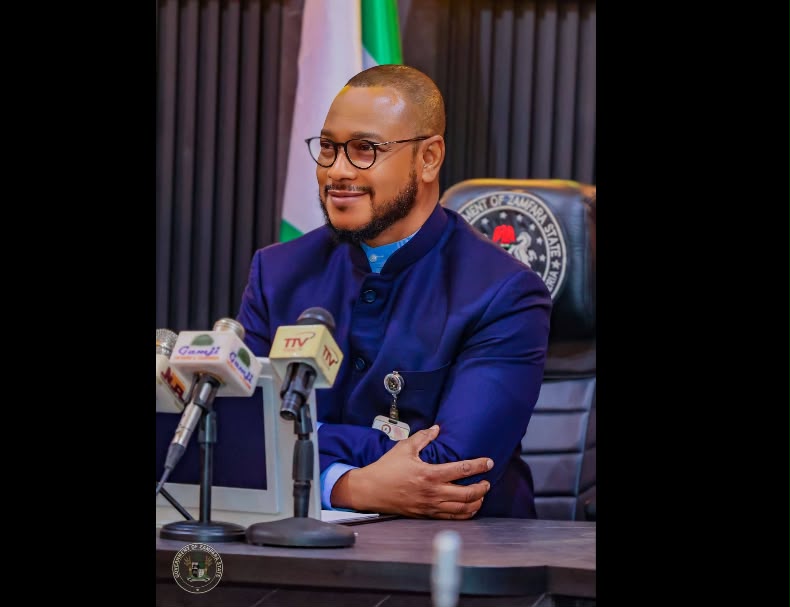
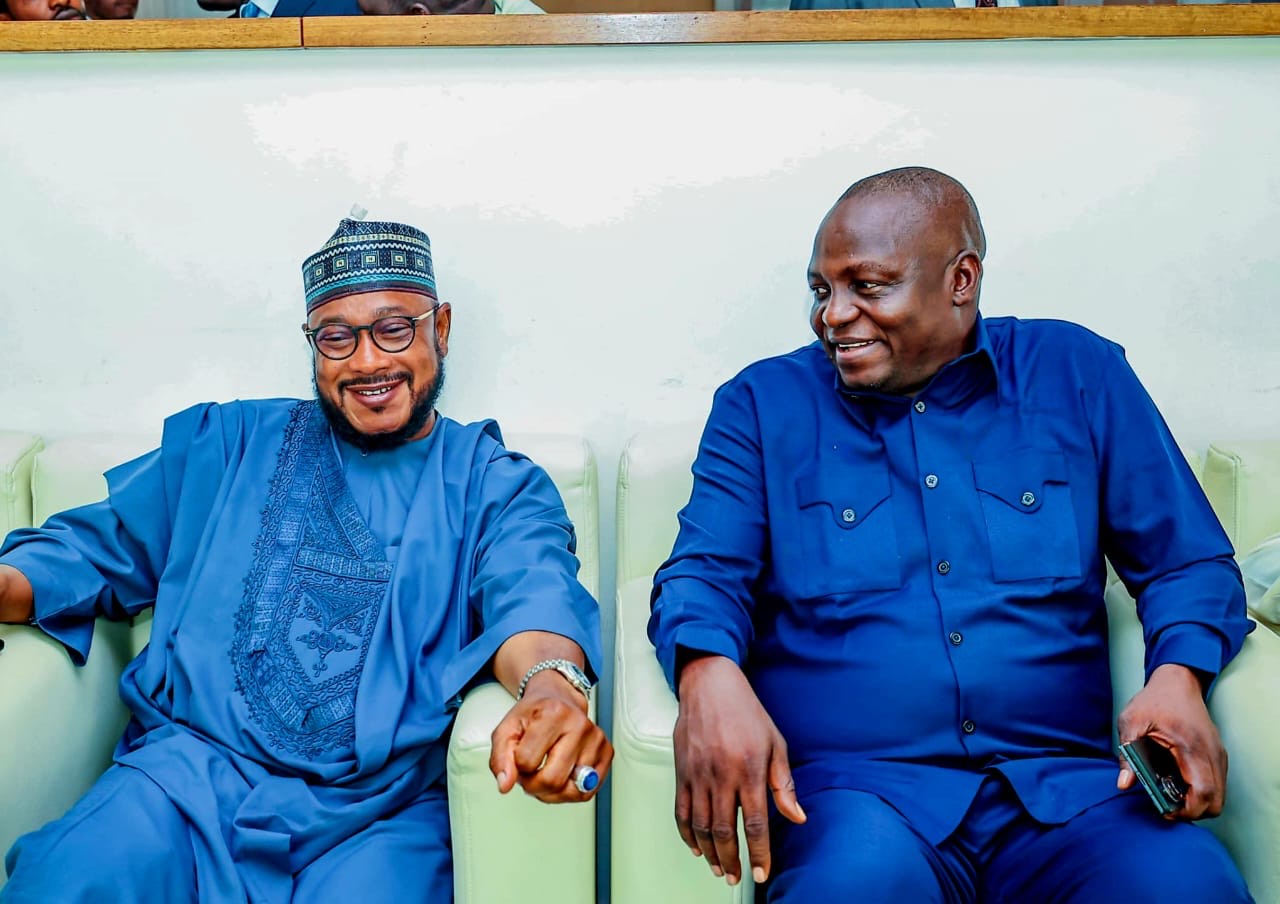
The government has recruited over 2,000 Community Protection Guards and provided vehicles to support security agencies. These moves aim to boost local security efforts and improve conditions so people can return home and engage in economic activities. While security remains a work in progress, the debate should recognize these tangible actions.
Agriculture is key to Zamfara State’s recovery since many residents rely on farming. Aware of this, Governor Lawal’s government has assisted farmers by distributing agricultural inputs and equipment. In July 2025, the government started a wet-season support program for 59,205 smallholder farmers, providing fertilizer, rice and maize seeds, herbicides, and insecticides.
In February 2026, more inputs were given to dry-season farmers. A larger intervention announced in July included 72,000 bags of fertilizer, 200,000 liters of herbicides, 100 crop-residue crushers, 100 grass choppers, and 100 feed-milling machines. These actions aim to improve farm productivity, strengthen food security, and support rural livelihoods.
The government is also pushing for agricultural mechanization. In August 2026, Zamfara received 100 tractors under the Federal Government’s National Agricultural Mechanization Programme. The state approved ₦6.271 billion for this participation. The tractors include tools to help with land preparation and cultivation. These efforts aim to elevate agriculture beyond just subsistence farming, but their success depends on farmers accessing their fields, distributing inputs effectively, transporting produce safely, and accessing markets.
In building infrastructure, Governor Lawal’s government has focused on roads, schools, and healthcare facilities to rebuild Zamfara State and improve citizens’ living conditions. Constructing and repairing urban and rural roads has made transportation easier. In education, the government has fixed and built over 800 schools in the state’s 14 local government areas, creating better learning environments. These investments are crucial for a state where insecurity and neglect had stunted economic growth. They help improve economic chances and restore public trust in the government.
Healthcare facilities have also seen major upgrades. The remodelling of the Ahmad Sani Yariman Bakura Specialist Hospital in Gusau is a key project. It includes modern diagnostic tools like MRI and CT scanners, along with improvements to specialist departments and laboratories. The government has also worked on general hospitals, including those in Gusau and Anka, and is building a 200-bed facility at Talata Mafara General Hospital. These investments aim to enhance healthcare access and reduce the need for residents to seek treatment outside the state.
The government knows that well-built healthcare facilities need well-paid staff to function effectively. In September 2026, Governor Lawal approved a 95 percent salary increase for health workers, effective from September 7, under a new pay structure aligned with the Federal Government’s health salary structure. This step aims to improve staff welfare, attract and keep skilled healthcare workers, and enhance healthcare services across Zamfara State.
The government has also paid over ₦16 billion in pension and gratuity arrears owed to retirees and settled around ₦1.4 billion in unpaid WAEC fees from 2018 to 2022. It has cleared the debts that led to the withholding of university results for some state indigenes. These were significant obligations that caused real hardship for many families. Paying these debts may not attract the same political attention as handing out money to party loyalists, but it addresses long-standing responsibilities that past administrations should have fulfilled.
These actions highlight the key issue: using public resources to meet genuine obligations versus treating the treasury as a source of handouts for political allies. Governor Lawal’s administration has prioritized infrastructure, education, healthcare, security, and economic growth while maintaining financial discipline. The issue is not whether politicians should benefit from government but whether these benefits should come before the needs of the general public.
It is clear that political parties need members and that skilled loyalists deserve opportunities for contracts and appointments. But these chances must be earned through competence and fairness; public resources should not be the exclusive domain of party members. In a democracy, the people are the true beneficiaries of public resources while elected officials are merely their temporary caretakers.
In the end, history will likely view the Lawal administration positively for prioritizing the public interest over political patronage and focusing on the welfare of the people instead of sharing their collective resources among politicians.

Drop your comment
No comments yet — be the first to drop the gist 👇