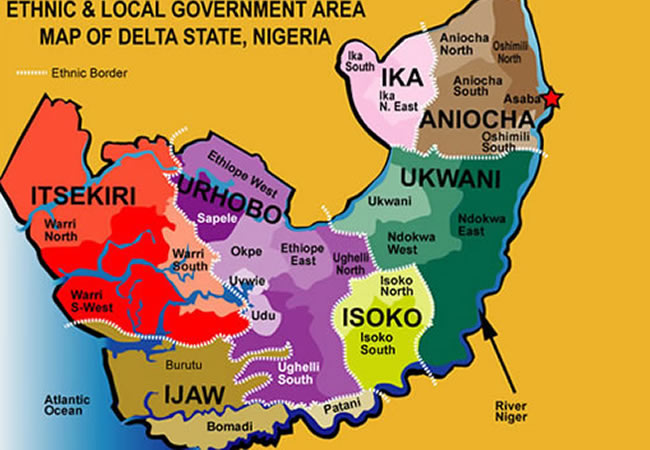
Political activities are ramping up in Delta State ahead of the 2027 general election. Parties are getting ready for a tough battle for the governorship. The Labour Party and Accord Party are sharing their plans. Political experts say that grassroots support, zoning, candidate credibility, alliances, and voter awareness will be key in deciding who leads the oil-rich state.
Even though the official campaign period hasn’t started, political activities are heating up in Delta State. Parties are working to strengthen their structures and mobilize supporters in preparation for a competitive governorship race.
Aside from the usual campaign promises about roads, jobs, education, healthcare, and security, other factors could influence the election results. Grassroots support, zoning, candidate popularity, political alliances, voter awareness, party unity, and the credibility of the electoral process are playing a significant role in the race.
As the Labour Party and Accord Party lay out their strategies, other major parties have been quiet about their plans. Analysts say the election may come down to which candidates can turn political mobilization into real voter trust and provide solid solutions to the problems facing Delta State.
For many people in Delta, the issues are clear: bad roads, unemployment, failing schools, poor healthcare, insecurity, and rising living costs. The big question is whether political parties will offer real solutions or just repeat old campaign promises.
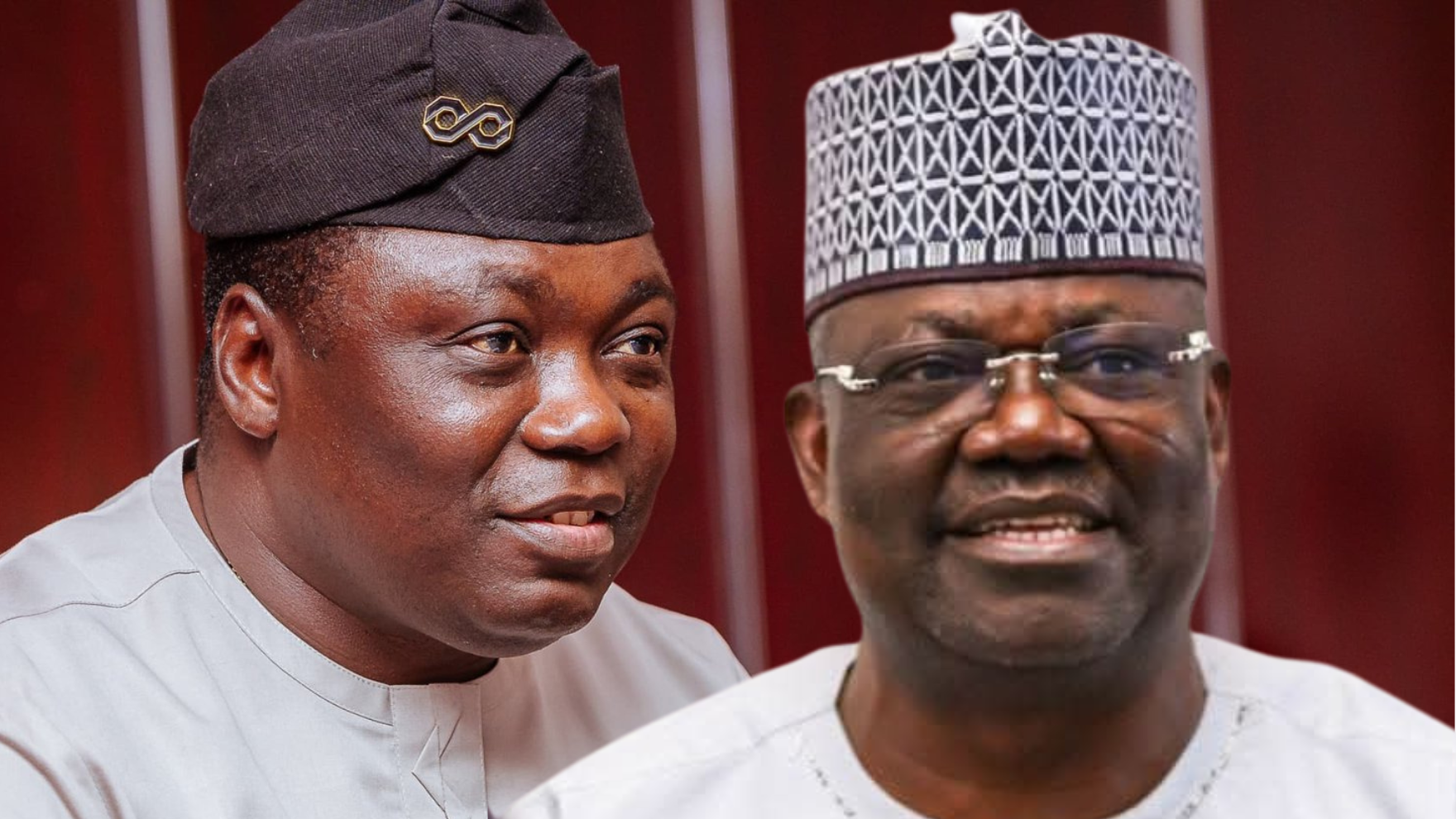
Leaders from the Labour Party and Accord Party, along with political analyst Dr. Ejovi Austin from Dennis Osadebay University, indicate that the path to the 2027 election is already forming.
Labour Party Focuses on Grassroots Support
Chief Tony Ezeagwu, the Delta State Chairman of the Labour Party, said they have finished the necessary groundwork for the 2027 campaigns. He mentioned that the party is busy strengthening its structures across the state and ensuring they have agents ready at polling units and other election venues.
"We have fulfilled everything expected of us. We are getting ready for the elections. We are putting our structures in place and making sure we have agents across the state," he stated.
Ezeagwu added that the Labour Party plans to campaign in all 25 local government areas of Delta State to connect with voters at the grassroots level. "We are going round the entire state because we want to reach everybody," he said.
Instead of focusing on specific voting groups, Ezeagwu said the party aims to win the support of all eligible voters in the state. "We are participating fully in the 2027 elections, and we are looking forward to winning every election we contest."
On funding the campaign, he mentioned that they would mainly rely on donations from supporters instead of a single wealthy backer. "Our elections have always been financed by people who believe in what we stand for. We don’t depend on one individual, so nobody owns the party."
Ezeagwu pointed out that the party's acceptance among ordinary Nigerians is one of its key strengths. "People know us. The Labour Party belongs to the masses. We believe that with the support of the people, we will achieve our objectives."
He noted that their campaign would address everyday challenges faced by Deltans, particularly poor infrastructure and the state of public education. Ezeagwu expressed concern about some public schools, where students sit on bare floors and damaged classrooms remain unfixed despite Delta's oil wealth.
"In an oil-rich state like Delta, our schools should be properly equipped. Children should study in a conducive environment. Yet, some schools still have no roofs, while many communities have inaccessible roads," he said.
These issues will be central to their campaign message as the election approaches. When asked why Delta people should support Labour Party candidates, Ezeagwu emphasized that their grassroots presence gives them a better grasp of community needs. "We won’t impose projects on the people. We will carry out projects based on what communities actually need."
Accord Party Promises Issue-Based Campaign
Fred Obi, the governorship candidate and Delta State Chairman of the Accord Party, also expressed confidence in the party’s readiness for the 2027 election. He dismissed claims of internal divisions after their primary elections.
"There are no post-primary divisions in Accord. We are united, disciplined and well organized. Our leadership follows the party constitution, and every member is committed to building a stronger party and winning the election."
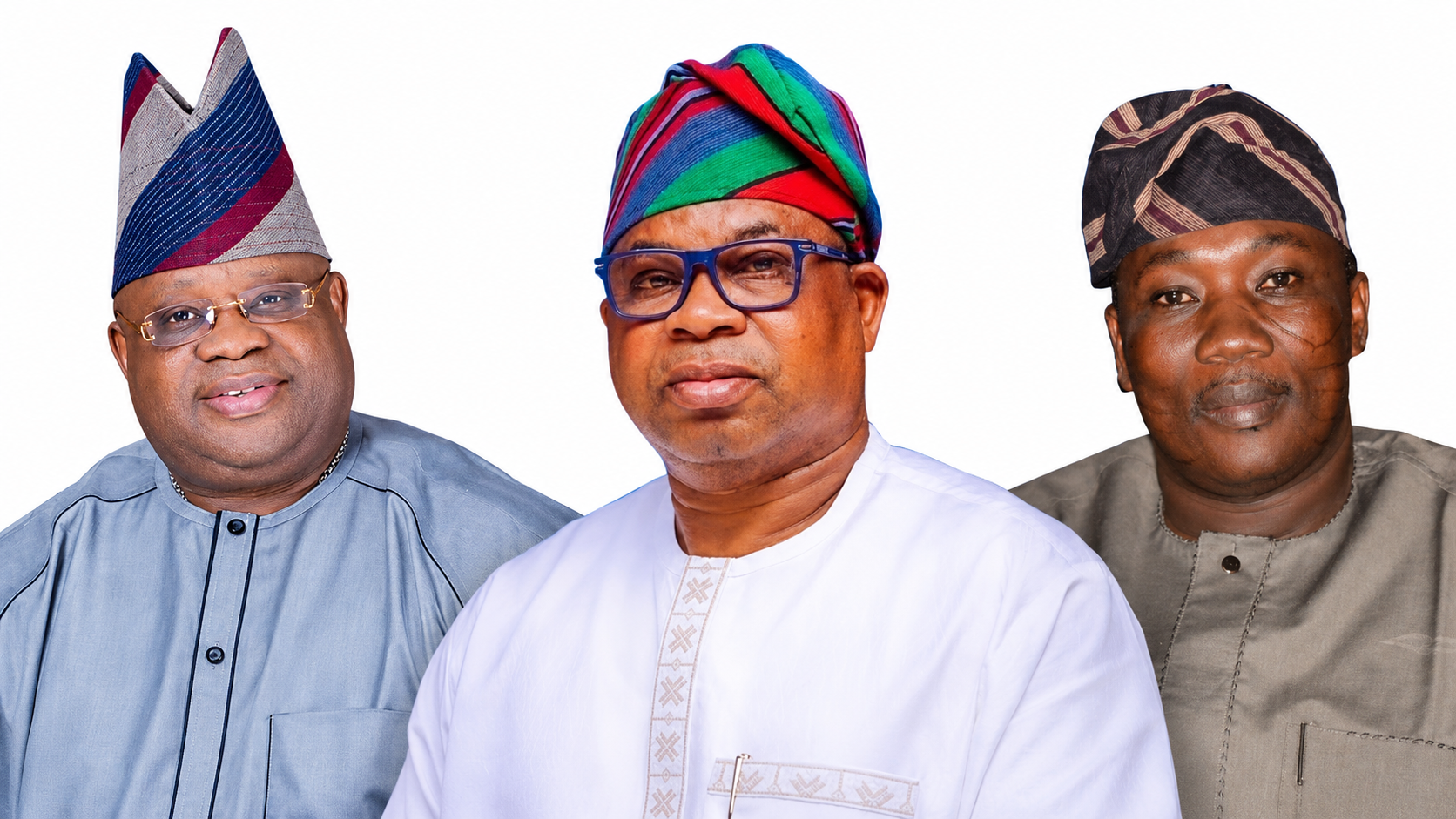
Obi stated that mobilization is every party member's duty. The party has set up a Contact and Mobilisation Directorate to coordinate activities across the state. While he did not share specific details about their campaign strategy, he promised an issue-based, people-focused, and grassroots-driven campaign.
"We are contesting to govern Delta State, so our focus is on earning the support of voters across the state," he said. He confirmed that the party has formed its Campaign Council, and the full list of members will be announced once the Independent National Electoral Commission publishes the final candidate list.
Obi revealed that the party would campaign in all 25 local government areas, with direct interaction with residents being a key part of their mobilization strategy. "We seek to govern the entire state. We want to engage directly with residents, understand their concerns and present practical solutions."
The Accord candidate mentioned that they aim to win the support of all groups, including youths, women, professionals, artisans, traders, farmers, and senior citizens. He added that social media would support their grassroots efforts by providing a way to connect with voters and share their manifesto.
On campaign funding, Obi said the party would fully comply with the Electoral Act, relying on legitimate donations from members and supporters. "Our greatest strength lies in the quality of our candidates, the strength of our manifesto and the confidence Delta people have in our vision."
He promised that their campaign would focus on good governance, economic revival, job creation, education, healthcare, security, infrastructure, and prudent management of resources. "Delta people deserve competent, transparent and accountable leadership that puts the people first."
Expert Says Election Could Be Significant
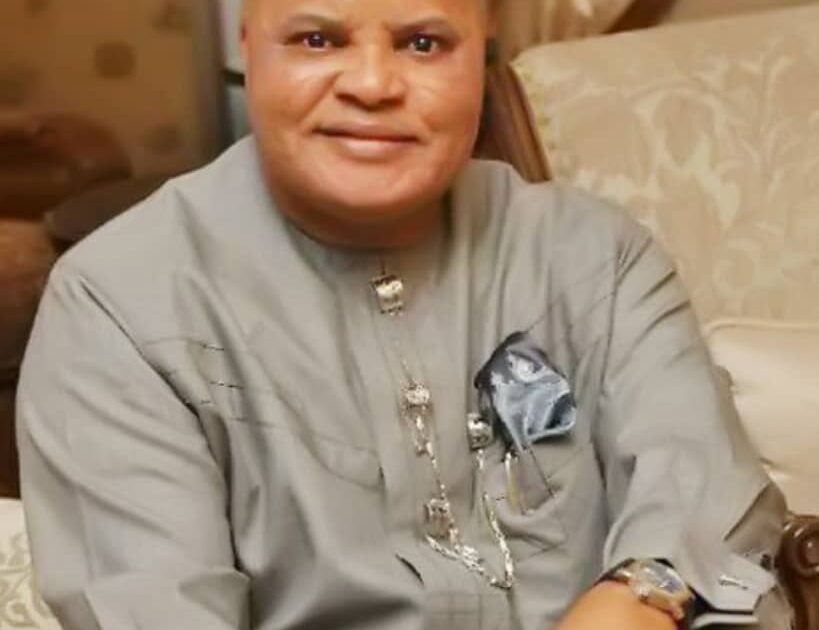
Dr. Ejovi Austin, a political scientist and Senior Lecturer at Dennis Osadebay University, believes the 2027 general election might become one of Nigeria’s most important elections. He points out that growing political competition and voter awareness are changing the electoral landscape.
Austin noted that Nigeria's political scene has shifted a lot. The once-dominant Peoples Democratic Party is now facing a more competitive multi-party environment. "For many years, the PDP was the only party with a truly national outlook, but the political landscape has become far more competitive."
He added that improvements in how election results are transmitted and published could boost transparency and public trust. "If results are uploaded and visible to everyone, it becomes much more difficult to manipulate them. If people are allowed to vote freely, the outcome should reflect the genuine will of the electorate."
Austin acknowledged that manual transmission issues in areas with network problems are a concern. Still, he believes ongoing improvements in the electoral process could enhance future elections' credibility. He also pointed out that internal crises continue to challenge many political parties, with disputes over tickets and legal battles reshaping political alliances.
"Disagreements over party tickets, defections and legal disputes are reshaping political alliances ahead of the election," he said. He also linked the rising political awareness among Nigerians to worsening economic conditions. Voters are demanding accountability from those seeking office. "People are demanding accountability. Many now want leaders who will genuinely improve their lives instead of making promises during campaigns."
He believes that incumbency can no longer guarantee electoral wins. Even powerful politicians are struggling to help their candidates succeed. "We have seen influential politicians fail to deliver victories for their preferred candidates. Ultimately, voters decide."
On the Delta governorship race, Austin described it as "too close to call." Several factors, including candidate popularity, grassroots support, zoning, and political alliances, could shape the outcome. "Some politicians have built goodwill through philanthropy and community development, while zoning remains an important consideration in Delta politics."
He mentioned that the growing number of defections shows that many see political parties more as tools for ambition than ideologically driven organizations. Despite these challenges, Austin is hopeful that a transparent election, backed by effective electronic transmission and result publication, could strengthen democracy in Nigeria.
Looking Ahead to 2027
Even though the official campaign period hasn’t started, political parties in Delta State are getting ready for what looks to be a fiercely contested 2027 governorship election. The Labour Party plans to rely on grassroots support, focusing on education and infrastructure in its campaign message. The Accord Party is banking on internal unity, issue-based politics, and statewide mobilization. Observers highlight other important factors, like technology in elections, voter awareness, zoning, political alliances, and candidate credibility.
For the people of Delta, the coming months will be a chance to look past the campaign talk and examine the records, skills, credibility, and vision of those who want to lead the state. As political activities heat up, the 2027 governorship election could be more than a political contest. It might serve as a test of leadership, accountability, and the future direction that Deltans want for their state.


Drop your comment
No comments yet — be the first to drop the gist 👇