The most expensive thing in Nigeria is not petrol, food, or medicines. It is memory loss. This problem has grown worse because of our addiction to screens. It has made poor record-keeping and lack of diligence even worse.
Nigeria is facing Ebola again. This time, it is not like the panic of 2014. Back then, a man named Patrick Sawyer came from Liberia carrying the virus. He did not care about the lives of others.
Now, we have a quieter alarm. An imported case has appeared in Abuja. This case is not from the West but from the east coast of Africa. A 42-year-old woman came from Uganda, showed symptoms four days later, got help at a private hospital, and tested positive for the Bundibugyo strain on 20 October.
The good news is that the patient has been moved to isolation and is getting care. The bad news is that Nigerians have a knack for treating preparedness like aso-ebi. We show off on the big day but can never find it again.
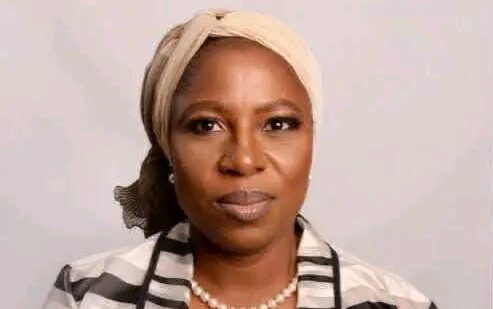
Twelve years ago, Ebola taught Nigeria a painful lesson. Many health workers lost their lives. It also gave us Dr. Ameyo Stella Adadevoh. She stopped a potential epidemic by refusing to let an infectious patient leave. Sadly, she lost her life. Nigeria cannot afford another bill like that.
The current case reads like a travel schedule. The Nigeria Centre for Disease Control (NCDC) said the patient returned to Abuja from Uganda via Addis Ababa on 3 October. She showed symptoms on 7 October, went to a private hospital on 11 October, and the NCDC was informed on 19 October. The lab confirmed the case on 20 October.
That timeline is important. There were 17 days from when the patient arrived in Abuja to when we got confirmation. There were 12 days from when she showed symptoms to when the NCDC was notified. In terms of infectious diseases, this is a long time.
Ebola is not malaria. It does not announce itself loudly. Early signs like fever, fatigue, and headaches can seem like simple sicknesses. Nigerians often treat these with paracetamol, prayer, and pepper soup, following the national motto: "It is well."
By 25 October, the NCDC said 53 contacts were identified and being monitored. On 26 October, the patient and her husband were moved to Switzerland for specialized care.
On 20 July 2014, Sawyer, a Liberian official, flew from Monrovia to Lagos. He was infected with the Zaire strain of Ebola, the deadliest type. He collapsed at the airport and was taken to First Consultants Medical Centre in Obalende. Dr. Adadevoh and her team faced what could have turned Lagos into a burial ground for Ebola.
Sawyer wanted to leave the hospital. He reportedly fought against being isolated. In a country where "the customer is always right" is a common belief, Adadevoh disagreed with him.
She and her team kept him there, notified the authorities, and started the hard work of controlling the situation. Sawyer died on 24 July 2014. Adadevoh tested positive for the virus on 4 August while caring for him. She died on 19 August 2014, at the age of 57.
Nigeria recorded 20 Ebola cases and eight deaths during that outbreak. It was declared Ebola-free on 20 October 2014, just three months after Sawyer arrived. The world called it a success. Nigerians saw it as a miracle. Both are true, but we must remember the cost: eight people died, including brave health workers, because of one man's sickness meeting one doctor's courage.
Some might want to reduce Adadevoh's story to mere inspiration. Nigerians love inspiration because it is easier than building strong systems.
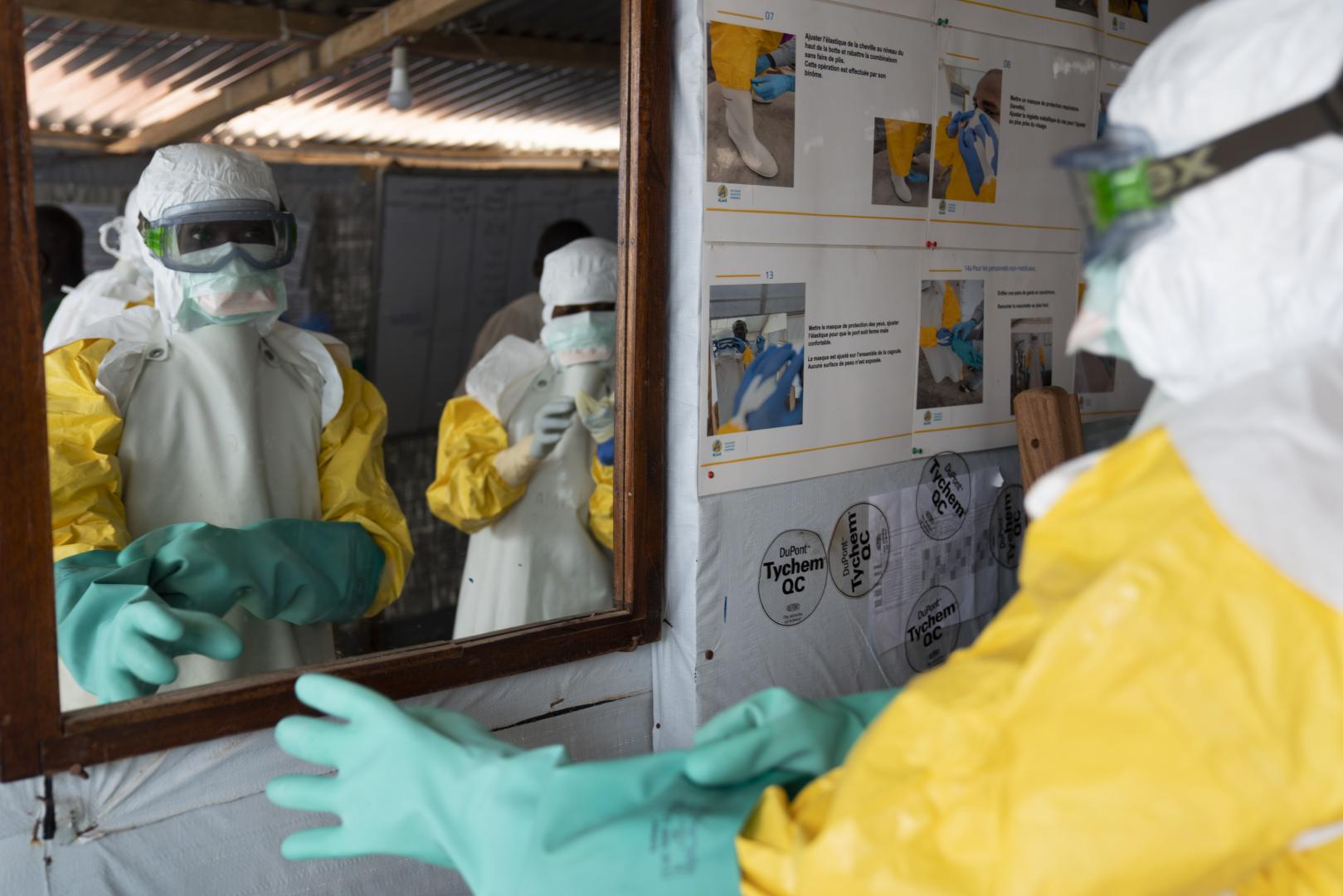
But inspiration cannot replace good systems. Adadevoh’s bravery was effective because it was backed by contact tracing, lab capacity, isolation, and good communication.
The Ebola Emergency Operations Centre set up during that time became a model praised around the world. It showed that Nigeria can organize itself when it wants to. We saw this ability again with COVID-19, while even richer countries struggled.
This is where forgetfulness and tragedy meet. Nigeria has the skills needed. It just lacks consistency. We can act quickly in a crisis, but we dismantle everything when the cameras leave. We set up emergency operations centres like someone whose house is on fire, only to let them collect dust until the next emergency.
The case of the returning Ebola is a test of our memory. Do we still have the labs, trained staff, isolation capacity, and community trust that helped us in 2014 and during COVID-19?
The fact that the NCDC was informed on 19 October, eight days after the patient was admitted, shows that the system worked eventually. Each day of delay increases the number of contacts, raises anxiety, and adds pressure on our already stretched health workers.
In 2014, Nigerians got text messages suggesting bathing with salt water at dawn. Many people, including those who could run businesses, scrubbed themselves with salt. It did not kill Ebola but caused injuries and deaths from too much salt.
The lesson is clear: panic can be a health risk. Fear leads people to hide symptoms, avoid hospitals, blame outsiders, and try dangerous remedies.
If Dr. Adadevoh were alive today, she would not ask for statues. She would want to know: Where are the isolation beds, gloves, gowns, and face shields? Are oxygen supplies available, not just "available on request," which often means unavailable? Are health workers trained and insured? Is there a system to refer patients from private clinics to public isolation centres? Are contact tracers properly equipped? Is there one reliable source of information instead of several competing WhatsApp messages?
Nigerian leaders love emergencies. They provide good photo opportunities, special committees, presidential orders, and lots of big words. Emergencies also bring in big money. But prevention is boring. It requires maintenance, training, data, and accountability.
It is interesting that Ebola has returned during campaign season. Politicians remember that the power lies with voters. They move from town to city telling lies as deadly as the virus. It will be easier to trace their lies now than to trace a virus.
But the best memorial to Adadevoh is not a statue. It is a health system where no doctor has to choose between their safety and duty. It is a country where suspected cases are reported within hours, not days. It is an isolation centre that works before an emergency, not one quickly set up after the first warning.
Adadevoh faced a virus on our behalf. Twelve years later, Ebola is back with a new strain, a new city, and a new patient. The virus has moved, but the question is whether Nigeria has changed.
Drop your comment
No comments yet — be the first to drop the gist 👇