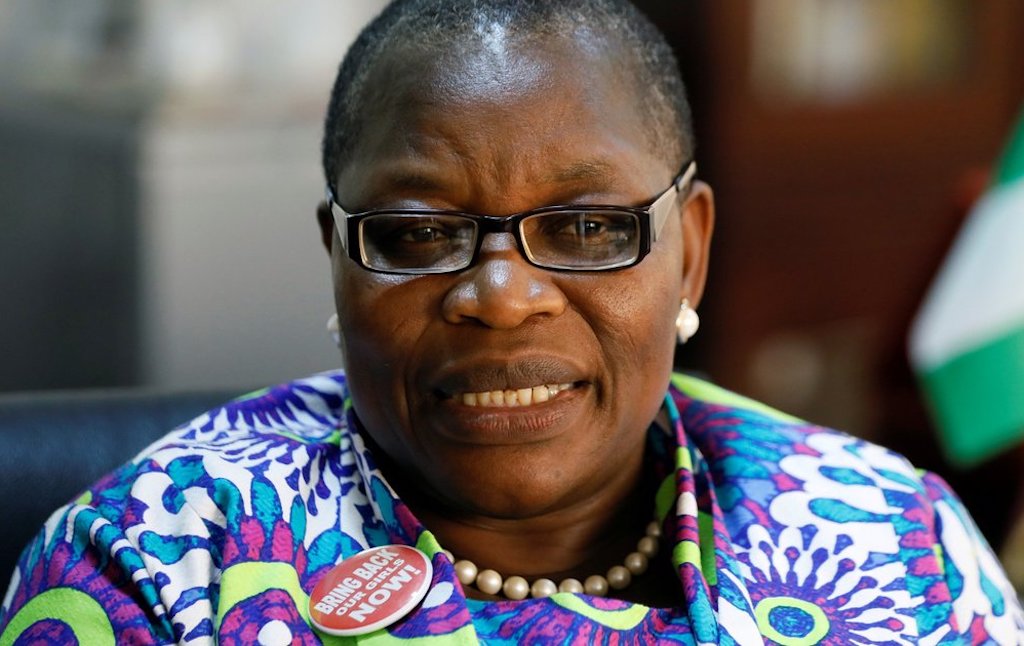
A girl who learns is a girl who is not a bride. Today, we are urged to end child marriage and support girls' rights. I join this call in three capacities: as a member of the advisory council for Columbia University’s report on ending child marriage; as a Civil Society Representative on the Steering Committee of the African Union’s Decade of Accelerated Action for the Transformation of Education and Skills Development in Africa (2025, 2034); and as the leader of Human Capital Africa, an organization that focuses on Africa's human capital crisis starting from early education.
The facts are concerning. UNICEF’s estimates for 2026 show that about one in five girls globally is married before the age of 18. This means around 650 million women and girls today were married as children. Each year, over 12 million girls marry before 18, which is about one girl every three seconds. Sub-Saharan Africa has the highest rate at 31 percent.
In Nigeria, 23.6 million women and girls were married before 18, making it the highest in West and Central Africa. In some northern parts, the situation is alarming: in Jigawa, 78 percent of women aged 20, 49 were first married before 18, and 63 percent of women left school to marry.
The cost of doing nothing is steep. Our Columbia report includes new analysis from the Center for Global Development. It estimates that losses could reach $175 billion annually, or nearly $2.5 trillion by 2040, due to lost productivity and health risks from child marriage. The report also warns that cuts in aid, a decline in global support for women's rights, and increasing conflicts could slow or reverse any progress made.
Child marriage is not a minor issue in development. It drains a nation's human resources directly.
But progress can happen. An estimated 68 million child marriages have been prevented in the past 25 years through girls' education, legal changes, and social support. The evidence shows what works:
- Each additional year of secondary education reduces a girl’s chance of marrying before 18 by five percentage points or more.
- In Niger, when the government removed costs for middle school for rural girls, each extra year in secondary school led to a 19 percentage point drop in the likelihood of marriage.
- If every African girl completed secondary education, child marriage could be nearly wiped out.
Once she leaves school, her chances of marrying early increase. This is why we say schooling is not enough. Foundational reading and basic math are the first and cheapest protection for a girl.
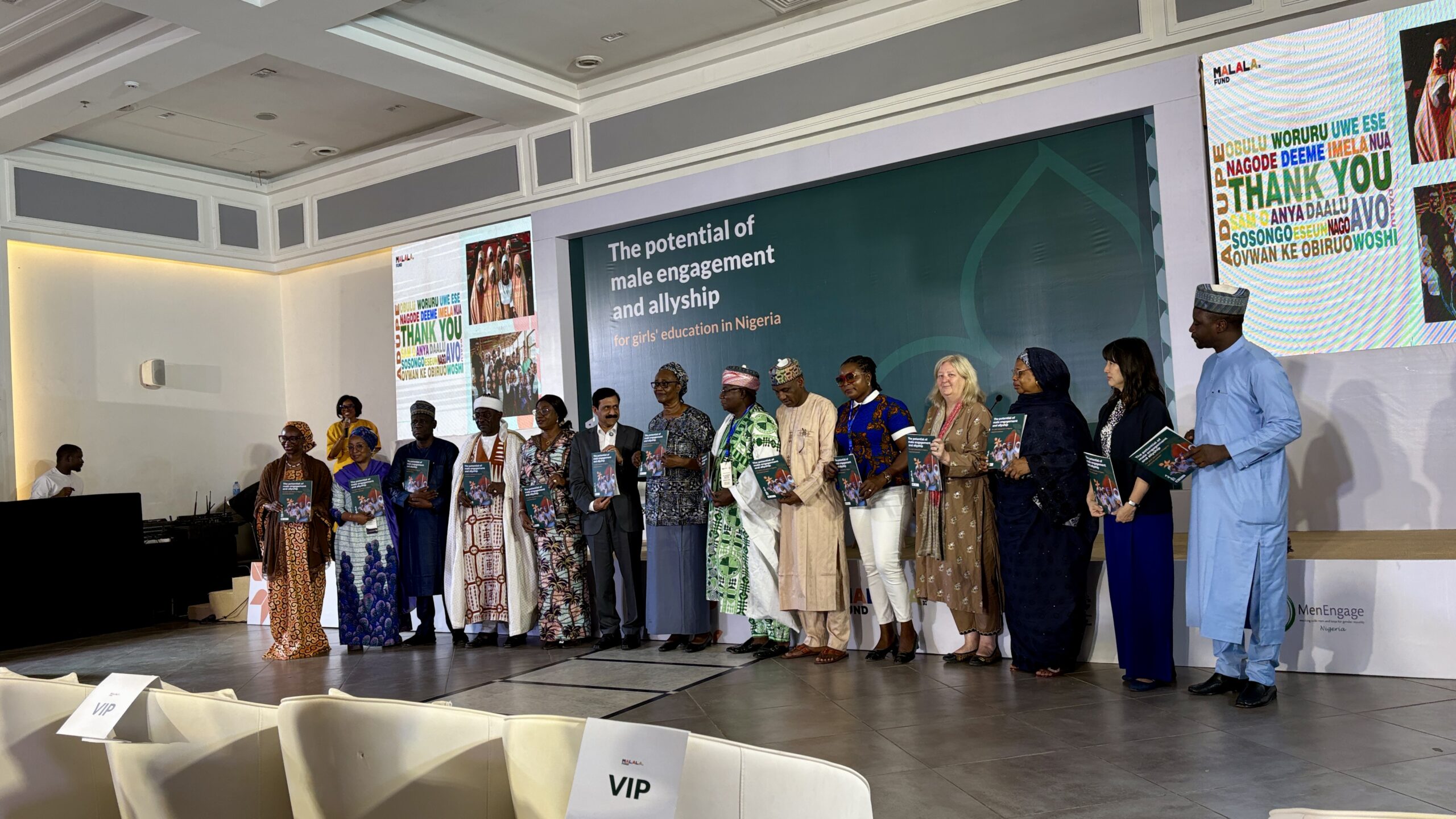


At the Columbia launch, I mentioned that community programs and advocacy alone are not enough. Governments must take the lead. On this Day of the Girl, Human Capital Africa urges African governments to:
- Make foundational learning a girl-protection policy. Every girl should be able to read with understanding by age ten, using effective methods like structured teaching and Teaching at the Right Level.
- Ensure access to secondary school. Remove fees, uniform, and transport costs for girls, especially in rural areas where child marriage rates are high.
- Enforce 18 as the minimum age for marriage in law and practice in every state and community, partnering with traditional and religious leaders.
- Finance this locally. As foreign aid decreases, African budgets and philanthropy must take charge.
- Measure and report. Track girls’ learning, their move to secondary school, and child marriage rates in national accountability systems. The AU Decade of Education gives Africa a ten-year mandate. As a member of its Steering Committee, I will push for girls’ learning and retention to be central to measuring the Decade’s success. A Decade that does not end child marriage will not transform African education.
Every girl-child should be a student, not a bride. She should learn first, then lead.


Drop your comment
No comments yet — be the first to drop the gist 👇