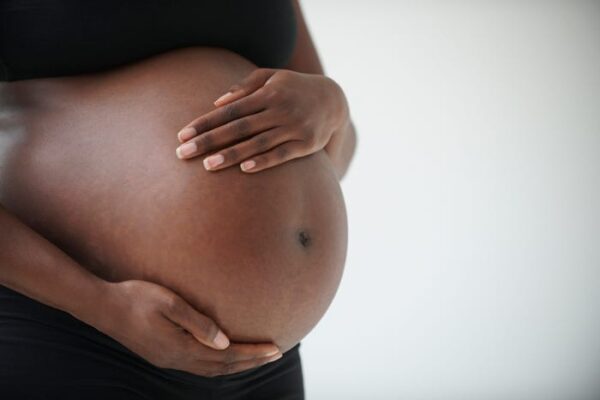
Gestational diabetes is a common issue that can happen during pregnancy. This can affect women who did not have diabetes before getting pregnant.
The problem arises when the body cannot make enough insulin to handle the increased insulin resistance that comes with pregnancy. This leads to higher blood sugar levels.
Gestational diabetes can affect how the pregnancy goes and raises health risks for both the mother and the baby.
Qudus Lawal, an obstetrician and gynaecologist, shared with PT Health Watch that gestational diabetes can happen in up to eight percent of pregnancies. "It’s a condition we see frequently," Mr Lawal said. He added that gestational diabetes is different from diabetes that existed before pregnancy.
How it develops
Mr Lawal explained that pregnancy causes the body to change how it responds to insulin. "Normally, the body tries to adapt to the needs of the baby so that glucose is made available to the baby, while also controlling the glucose so that it’s not excessive," he said.
He noted that hormones made during pregnancy can work against insulin, which normally helps control blood sugar. "As pregnancy progresses, insulin resistance increases. The body therefore needs to produce more insulin to keep blood sugar levels within the normal range," he said.
"When the pancreas cannot produce enough insulin to meet this increased demand, blood glucose levels rise, resulting in gestational diabetes."
When to screen
Mr Lawal said gestational diabetes is usually screened for or diagnosed between the 24th and 28th week of pregnancy. "We don’t want to screen for it too early so that we don’t miss the diagnosis," he explained.
While some insulin resistance is normal later in pregnancy, women who have insulin resistance before pregnancy may be more likely to develop gestational diabetes.
According to Mr Lawal, gestational diabetes may not show the usual symptoms linked with diabetes. This means a pregnant woman might have it without knowing, making regular antenatal screening very important.


In some cases, the baby may grow larger than expected for its age, which is called macrosomia.
Risk factors
Mr Lawal mentioned that women who are overweight or obese, older than 35, have a family history of diabetes, or have had a baby with a high birth weight may have a higher risk of gestational diabetes.
Women who have had previous pregnancy losses might also be at greater risk. He added that this condition is more common in some ethnic groups, especially those of Southeast Asian and Black African descent.
Risks to mother, baby
Gestational diabetes can raise the risk of complications during pregnancy and childbirth. Studies in Nigeria have linked it with higher risks of pre-eclampsia and caesarean delivery in mothers. Babies may also face issues like low blood sugar, excessive birth weight, and jaundice.
The effects of gestational diabetes can go beyond pregnancy. Women who have it are at a higher risk of developing type 2 diabetes later in life. Children born to mothers with this condition may also have a greater risk of obesity and type 2 diabetes.
Managing the condition
Mr Lawal stated that treatment depends on how severe the condition is. For mild cases, women might be advised to change their diets, increase physical activity when suitable, and keep an eye on their blood sugar levels.
Others may need medication or insulin therapy to manage blood sugar, along with lifestyle changes.



Drop your comment
No comments yet — be the first to drop the gist 👇