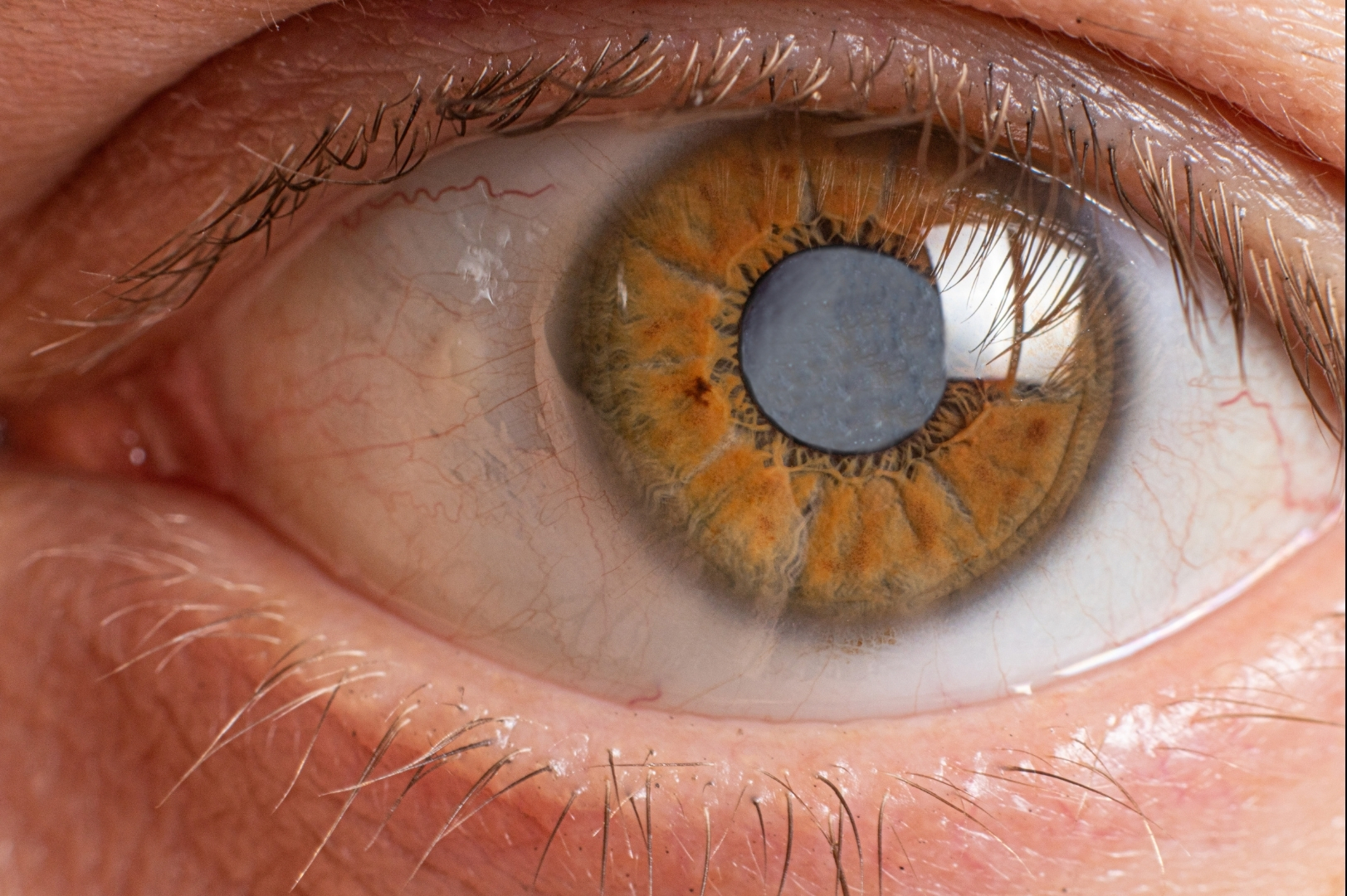
Cataracts are usually linked to old age, but eye doctors say children can also have them. Sometimes, kids are born with cataracts, and if not diagnosed early, it can lead to permanent vision loss.
A cataract happens when the eye's natural lens, which is normally clear, becomes cloudy. This cloudiness stops light from entering the eye properly, making vision blurry or reduced.
While cataracts are more common in older adults, experts say babies and children can also be affected.
Doctors warn that many children suffer from eye problems due to lack of awareness, too much screen time, self-medication, and late hospital visits. Many parents wrongly believe that children are “too young” to have serious eye issues.
Research shows that childhood cataracts contribute to between 7.4 and 15.3 percent of childhood blindness worldwide. Delays in diagnosis and treatment remain major issues in developing countries like Nigeria.
The report highlights that many children arrive at the hospital after key visual development stages, raising the risk of irreversible blindness even after treatment.
A report from the World Health Organisation (WHO) on children's eye care in Nigeria states that childhood blindness makes up between five and ten percent of the country's blindness problem. Nearly 70 percent of these cases can be prevented or treated if caught early.
The report identifies childhood cataracts as a leading cause of preventable blindness among Nigerian kids. It also points out the lack of specialized eye care services for children in the country.
Samuel Osayamen, a senior ophthalmologist, spoke with PT Health Watch about childhood cataracts. He said they are not rare and can greatly affect a child's vision and brain development if not treated.
Mr Osayamen explained that cataracts in children can be congenital, meaning they are present at birth, or acquired later due to injuries, medications, infections, or other health issues.
He noted that infections during pregnancy, like rubella, chickenpox, hepatitis, and cytomegalovirus, can harm unborn babies and increase the risk of congenital cataracts.
“If these infections are left untreated, they could affect the baby and eventually lead to congenital cataracts when the child is born,” he said.
Mr Osayamen added that genetics can also play a significant part in some childhood cataract cases. Certain genetic mutations and inherited conditions can change the eye's lens, causing cloudy vision.
He mentioned that the use of certain medications by mothers, diabetes during pregnancy, birth injuries, trauma, and inflammatory conditions can also lead to cataracts in children.
Mr Osayamen said that traumatic cataracts are becoming more common among children due to accidents at home and unsafe play.
“We have had cases where children playing at home accidentally injured one another in the eye, leading to traumatic cataracts,” he said.

He expressed worry about kids spending too much time on screens. Long use of tablets and mobile phones may lead to vision problems and developmental issues.
“Some parents give babies tablets for long hours just to keep them occupied. In the long run, it may cause more harm than good,” he said.
He also warned against self-medication, saying that wrong treatments can lead to eye complications. Parents should ensure regular eye check-ups, provide proper nutrition, and seek medical help quickly if they notice any unusual changes in their children’s vision.
He pointed out that many children may not complain about poor eyesight, so parental observation is key.
Signs to watch for include moving unusually close to TV screens, trouble following light or objects, poor eye contact, a whitish appearance in the eye, or difficulty recognizing things.
“When your child constantly moves very close to the television, it could mean the child is not seeing properly,” he said.
Unlike adults, he explained, children often adjust quietly to poor vision, making it harder to detect problems early.
Mr Osayamen warned that untreated cataracts can permanently affect the link between the eyes and the brain as a child develops.
“One of the worst complications is amblyopia, also called lazy eye. The eye gradually becomes used to not seeing clearly and later, nothing can reverse it,” he said.
He explained that some children may also develop strabismus, known as squint, where the eyes become misaligned because the brain starts to ignore the weaker eye.
He added that untreated cataracts may also lead to uncontrolled eye movements known as nystagmus, or “dancing eyes.”
Regarding glasses, Mr Osayamen said many children need them for refractive errors like short-sightedness or long-sightedness, which can run in families.
He stressed that wearing glasses from a young age should not be seen as abnormal or harmful.
“Glasses help the child to see clearly and support proper eye development. They do not automatically fix the condition causing the poor vision,” he said.



Drop your comment
No comments yet — be the first to drop the gist 👇