Nigeria's healthcare sector needs more than just money to grow. It needs businesses that can attract funds, use them wisely, and build strong institutions that can last. This was the main point at the first First City Monument Bank (FCMB) Healthcare Summit in Lagos. At this summit, the bank launched a N20 billion Healthcare Fund to help private healthcare businesses.
The fund will give financial support to hospitals, clinics, diagnostic centres, pharmaceutical companies, pharmacies, maternity homes, and other businesses in the healthcare sector.
The summit, which was themed "Financing Growth: Unlocking Opportunity, Building the Future of Healthcare," brought together many people. Policymakers, healthcare providers, investors, banks, and development partners discussed how to bring more private money into Nigeria's health sector.
A big focus of the talks was the ongoing problem of financing. Healthcare providers often find it hard to get affordable, long-term funds. Lenders and investors usually want better governance, financial reporting, and solid business plans before they can give out money.
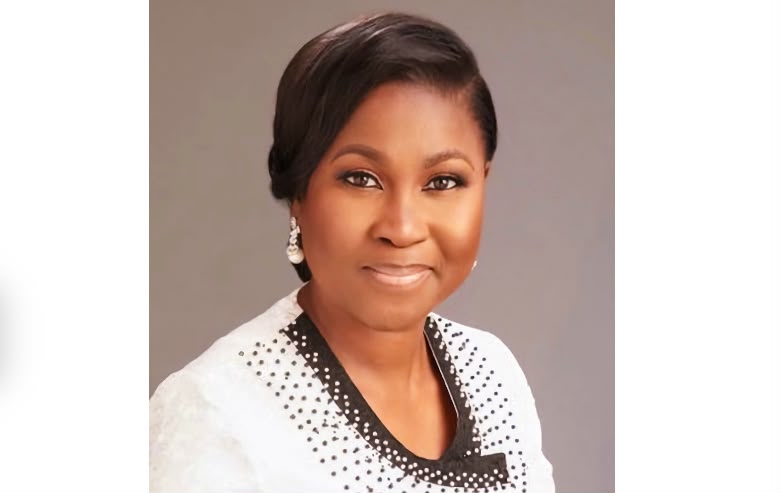
"Healthcare is a social imperative and an economic priority," said FCMB Managing Director and Chief Executive Officer Yemisi Edun. She shared this message through Executive Director, Corporate Services and Service Management Felicia Obozuwa. "Building a strong healthcare system requires patient, affordable, and long-term capital."
Mrs Edun added that just having money is not enough. Healthcare businesses also need good governance, strong leadership, and partnerships to create lasting institutions.
With the new fund, FCMB plans to help with building infrastructure, purchasing medical equipment, providing working capital, adopting technology, and making other investments that can boost efficiency and service delivery.
This push for more private funds comes as the government increases public spending on healthcare and tries to grow capacity in the sector.
Government Support
The Minister of State for Health and Social Welfare, Iziaq Salako, mentioned that over N339 billion has been distributed through the Basic Healthcare Provision Fund in the last 12 years. He noted that N235 billion was given out in the last three years under the Nigeria Health Sector Renewal Investment Initiative.
Mr Salako also said that an additional N32.9 billion was recently allocated to support more than 8,300 primary healthcare centres. The government aims to reach about 13,000 facilities across the country.
Besides healthcare facilities, the government wants to boost local production of medicines and medical equipment. Through the Presidential Initiative for Unlocking the Healthcare Value Chain, Nigeria aims for local production of 70 percent of medicines and medical devices by 2030.

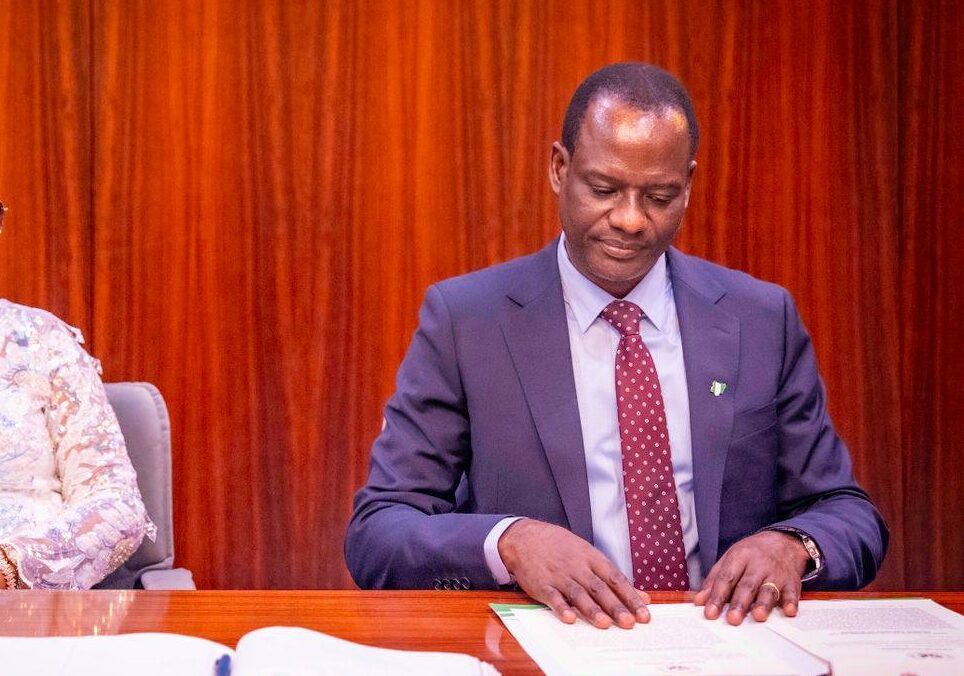
Mr Salako also talked about plans to solve electricity problems in healthcare facilities and create long-term procurement chances for local manufacturers.
Making Healthcare Businesses Stronger
But for private healthcare providers, getting affordable capital is still a big challenge for growth. Njide Ndili, President of the Healthcare Federation of Nigeria (HFN), stated that getting long-term financing is one of the biggest hurdles for private healthcare businesses.
She noted that their experience with the PharmAccess Medical Credit Fund showed that healthcare small and medium-sized businesses could become bankable when financing is paired with technical support, capacity building, and quality standards.
So, the goal is not just to increase the cash available to healthcare providers but to ensure businesses are ready to attract and manage investments. HFN will partner with FCMB to create a system for pre-qualifying eligible healthcare facilities and helping businesses get ready for investment.
HFN has over 400 member organizations and 4,000 professionals who will assist businesses in improving governance, financial reporting, management skills, and growth plans before they seek financing.
Moving Forward
Talks at the summit also focused on how healthcare providers can go beyond just dealing with daily challenges. They need to build institutions that can draw long-term investments. Participants looked at blended finance, alternative lending methods, and public-private partnerships as ways to attract more local and foreign capital.
An executive discussion on building healthcare businesses that can attract investment stressed the importance of good business management, governance, risk management, and clear growth plans along with clinical performance. Four main priorities were identified: expanding access to suitable capital, improving the bankability of healthcare businesses, strengthening public-private partnerships, and boosting local capacity in medicines, diagnostics, and medical equipment.
FCMB's N20 billion fund fits into this larger plan, adding private financing to government investment for businesses looking to grow facilities, buy equipment, adopt technology, and enhance service delivery.
The summit was organized with the Health Business Academy for Africa. For all involved, the next step is to turn the financing promises and partnerships from the summit into stronger healthcare businesses and increased capacity in the sector. The ultimate goal is to create a healthcare system where strong institutions, sustainable financing, and strategic partnerships lead to better access to quality healthcare for Nigerians.


Drop your comment
No comments yet — be the first to drop the gist 👇