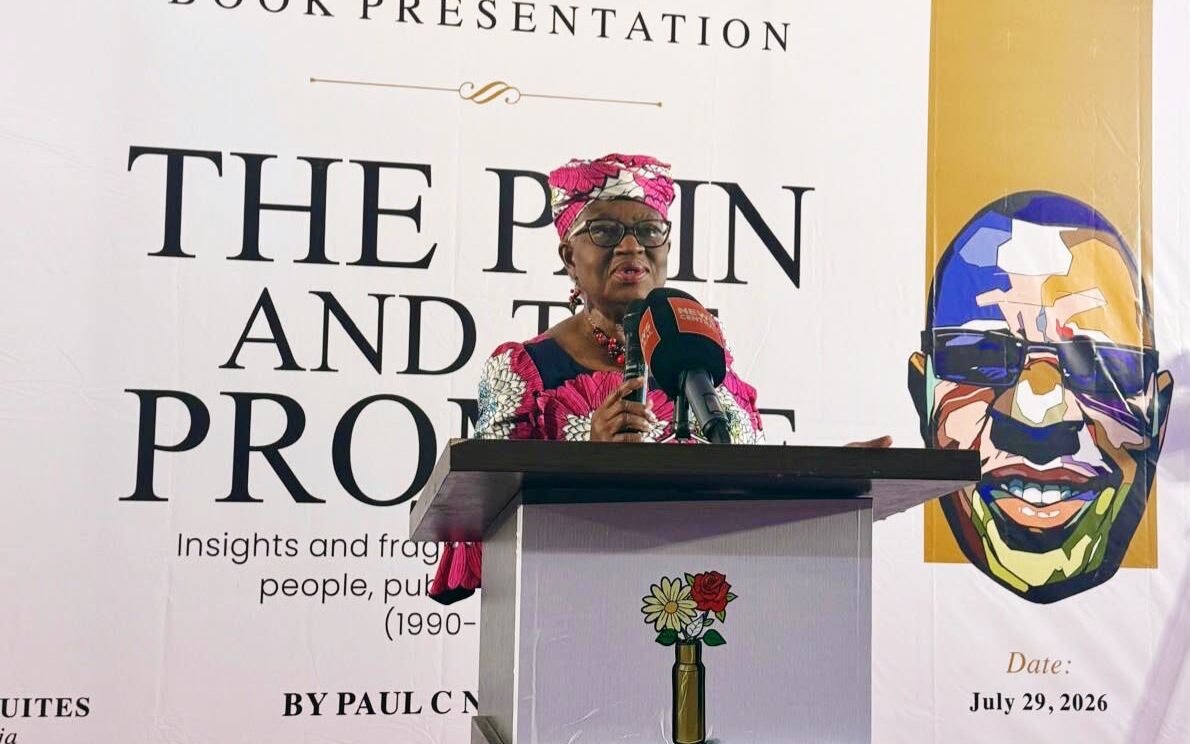
The Director-General of the World Trade Organisation, Ngozi Okonjo-Iweala, spoke on Wednesday about Nigeria's economic reform under former President Olusegun Obasanjo. She said that public understanding and support were very important for the reforms that led to the country’s significant debt agreement.
Mrs Okonjo-Iweala made these comments in Abuja during the public launch of a book called ‘The Pain and the Promise: Insights and Fragments on Nigeria and People, Public and Personal (1990, 2026).’ The book is written by communications strategist and public policy expert Paul Nwabuikwu.
The WTO chief said that good public communication was key to Nigeria’s successful talks for Paris Club debt relief. Before the deal, Nigeria's external debt had soared to around $36 billion, a lot of which was built up during military rule. In 2005, Nigeria got about $18 billion in debt relief from the Paris Club after agreeing to pay around $12 billion. This move greatly reduced the country’s external debt burden and allowed for more public spending and economic reforms.
Ms Okonjo-Iweala, who was finance minister and led Nigeria’s economic team during the negotiations, knew that carrying out the reforms would need sound economic policies and good communication with the people. "I had been brought in from the World Bank to help straighten up and strengthen Nigeria’s weak finances, including getting rid of the $30 billion of the country’s debt owed to the Paris Club," she said.
"To do this work, I knew Nigeria would have to undertake serious economic reforms of the type that would demand understanding and sacrifices from Nigerians," she added. This belief made her invite Mr Nwabuikwu to join the economic management team to help explain the reforms to Nigerians.
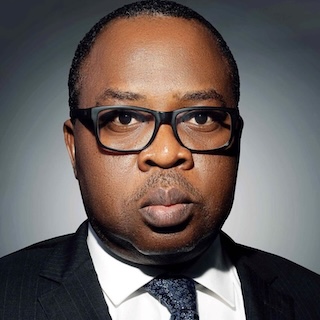
"One important component in my mind then was that we would need a crack communications person or team to help us reach Nigerians, to explain all of this in simple language. That is where Paul came in," she said. She described the author as “smart, articulate, compassionate, a terrific writer and communicator.” She noted that his skill in breaking down complex economic policies helped the public understand the reforms better.
"I can say without fear of contradiction that we wouldn’t have had as much success with the reform programme if we had not had a masterful steering of communications from Paul," she explained. She also pointed out that democratic reforms need more than just good policy design.
"Reform is not just about writing new laws and enforcing new policies. It’s about persuading people, explaining trade-offs and building enough trust that governments can keep pushing through obstacles," she said. Beyond the debt talks, the WTO chief mentioned that Nigeria’s long-term economic growth would depend on overcoming ethnic, religious and regional divides.
She stressed that sustainable development needs a national agreement on important policy directions that last through different governments. "Until Nigerians can overcome the ethnic, religious and regional divides embedded in our society to forge a social compact that agrees key directions for the nation, directions that remain steady no matter who is in government, I think Nigeria will find it difficult to move forward at the pace required to create enduring prosperity for our people," she said.
While reviewing the book, Ms Okonjo-Iweala described the 300-page work as “a great achievement.” She said it combines years of public commentary with strong memories and thoughtful reflections on Nigeria’s development. She recommended it especially to young Nigerians who want to understand the country’s history and current challenges better.

Drop your comment
No comments yet — be the first to drop the gist 👇