
The Independent National Electoral Commission (INEC) received the Certified True Copy (CTC) of the Supreme Court judgment on the key parts of the Electoral Act 2026 on Tuesday. This came after the Zenith Labour Party (ZLP) challenged the law in court.
INEC Chairman, Joash Amupitan, shared this news at a press conference in Abuja. He mentioned that the commission has been informed by political parties, candidates, and the National Assembly about the Supreme Court ruling.
"We have recently received complaints from some political parties, our new aspirants, and even from the National Assembly, drawing our attention to the recent Supreme Court decision of the Zenith Labour Party, delivered on 24 September 2026, affirming the constitutionality of Sections 5 to 7 of the Electoral Act 2026, and also upholding our revised timetable and schedule of activities for the 2027 General Election," he said.
"We only received a certified copy of this judgment this morning, and it is being reviewed."
The Ruling
The Supreme Court ruling affects Sections 77(5), 77(6), 77(7), and 84(2) of the Electoral Act 2026. These sections deal with how political parties manage their membership lists and how they nominate candidates for elections.
On 24 September, the court made a unanimous decision to restore these four provisions after the Court of Appeal had earlier canceled them. The court stated that section 77(5) says only members listed on a political party’s membership register submitted to INEC at least 21 days before a primary, congress, or convention can take part in that event.


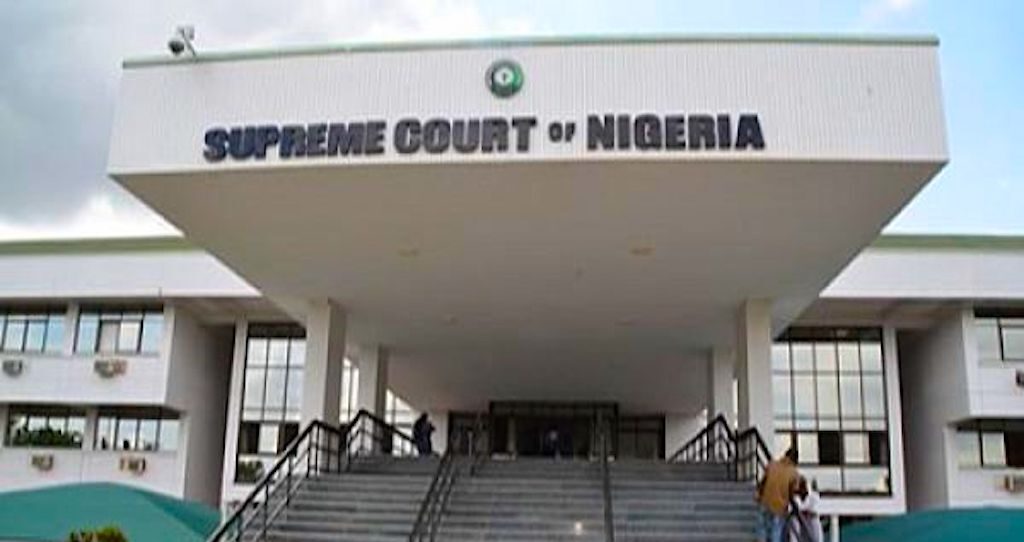
Section 77(6) requires political parties to use the membership register sent to INEC for their primaries, congresses, and conventions. Section 77(7) states that a party that does not submit its register on time cannot put forward a candidate for an election.
Section 84(2) says political parties must choose candidates for elections through direct primaries or consensus. The Supreme Court confirmed that these provisions align with the Nigerian Constitution and brought back the earlier ruling from the Federal High Court, which had dismissed the legal challenge to these parts of the law.
This ruling overturned the Court of Appeal’s decision that had declared these provisions unconstitutional. INEC had taken the Court of Appeal’s ruling to the Supreme Court, asking for the restoration of the disputed provisions.
The Supreme Court then granted the appeal and brought back the provisions of the Electoral Act. INEC’s receipt of the certified judgment on Tuesday will help it formally review the ruling and understand its effects on the electoral process and political parties as the 2027 general elections approach.
With this ruling, political parties must still follow the rules about their membership lists. This includes the need to submit their lists to INEC and use those lists for their primaries, congresses, and conventions.




Drop your comment
No comments yet — be the first to drop the gist 👇