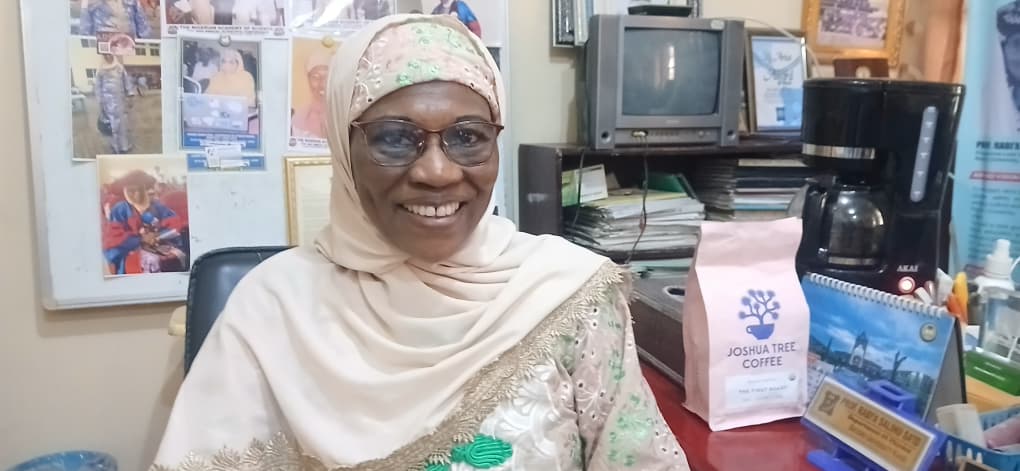
Rabia Sa’id, a professor of physics at Bayero University, Kano, got appointed last year by the United Nations Secretary-General to a 21-member scientific panel. This panel is studying the effects of nuclear war on people and the environment.
The panel was set up under UN General Assembly Resolution 79/238. It includes top scientists looking into global nuclear threats. The panel plans to present its findings later this year. These findings will help shape international policies on reducing nuclear risks, global security, and protecting human rights.
Professor Sa’id, who hails from Kano State, is one of the first two female lecturers in the physics department at BUK. Her work has encouraged many young women in Nigeria to go into Science, Technology, Engineering, and Mathematics (STEM).
Apart from her contributions to atmospheric science, space weather, and particle physics, Mrs Sa’id is known for solving real-life environmental problems. She developed eco-friendly fuel briquettes to reduce the use of firewood in rural areas and fight deforestation. She also led low-cost air quality monitoring projects that use ground sensors and satellite data to track local climate changes.
In this exclusive chat with PREMIUM TIMES’ Ahmadu Maishanu in Kano, Sa’id discusses her appointment, how Nigeria can make the most of it, and what the country can gain from the panel’s work.
Excerpts:
PREMIUM TIMES: What does your presence on this global panel mean for Nigeria’s position in international science and diplomacy?
Professor Rabia: Nigeria has an important voice in the United Nations. The country often advocates for reforms in the UN Security Council to ensure African nations are represented. Nigeria has signed the Agreement on the Peaceful Uses of Nuclear Energy and the Treaty on the Prohibition of Nuclear Weapons. Even though I am on the panel as an individual, it should still positively impact Nigeria’s position in international science and diplomacy.
PREMIUM TIMES: How can your role on this panel help local scientific research, climate action, and policy making in Nigeria?
Professor Rabia: I have learned a lot since joining the panel. As an atmospheric physicist and climate action advocate with knowledge in nuclear nonproliferation, I am surrounded by top scientists. They share valuable insights into the effects of nuclear issues on climate, food, health, agriculture, and more. We can use this information to tackle environmental challenges at home.
PREMIUM TIMES: As one of the first female academics at BUK’s Department of Physics, you broke gender barriers. What message does your UN appointment send to young women in Northern Nigeria and across the country?
I have always promoted women in science careers through talks in secondary schools in Kano and other states. This UN appointment shows young women that hard work and visibility will pay off. They don’t need to lobby to be recognized.
PREMIUM TIMES: Women are still underrepresented in STEM fields in Africa. How can this global platform improve women’s inclusion in science?
Professor Rabia: The UN panel allows experts from different scientific areas to meet. It creates a chance to share ideas and connect. This platform can help my students by making it easier to reach out to these experts. They have seen my abilities firsthand, which opens doors for collaboration and supports women’s empowerment.
PREMIUM TIMES: How can Nigeria benefit from this global platform?
Professor Rabia: The panel’s work is forward-looking. While the UN promotes peace, we must accept that conflict is a real threat. If a war breaks out, the panel will assess what might happen if nuclear weapons are used. When Hiroshima and Nagasaki were bombed, the world was unprepared. Today, with rising tensions, we need to know what to expect if a nuclear conflict occurs. This need led New Zealand to push for the initiative and adopt UN Resolution 79/238 to study these impacts.
Nigeria does not have nuclear weapons, but it is a signatory to the Treaty on the Non-Proliferation of Nuclear Weapons. The findings from this study will help Nigeria. We can explore nuclear energy for a stable electricity supply. Nuclear power is a clean and reliable energy solution that fits global environmental goals. Critics worry about safety, but the International Atomic Energy Agency enforces strict safety rules to prevent failures. The research from this UN panel will help strengthen Nigeria’s safety protocols for future nuclear projects.
Nigeria has a solid record of safe operations. The Centre for Energy Research and Training at Ahmadu Bello University in Zaria has been running a small neutron-source reactor safely for years. This shows Nigeria can handle nuclear technology responsibly. While public fear about nuclear power is real, it comes from a lack of understanding. There is nothing to fear; we just need to learn. The safety measures we have today mean nuclear power can be managed more safely than our current energy systems.
PREMIUM TIMES: Can you share your experience so far and how you were nominated?
Professor Rabia: My network of scientists and the visibility I built helped me. I was on the mailing list of some organizations and got a notice for nominations. Usually, you need to be nominated by your institution or your government. I often shy away because I know there are many candidates.
But for this UN panel, you could self-nominate or be nominated by your government or institution. Knowing the usual challenges, I chose to self-nominate. I filled out the form with the necessary details. I was not very confident because I thought others might have been nominated already. I almost forgot I sent in my nomination, even though I knew I submitted it before the deadline in November.
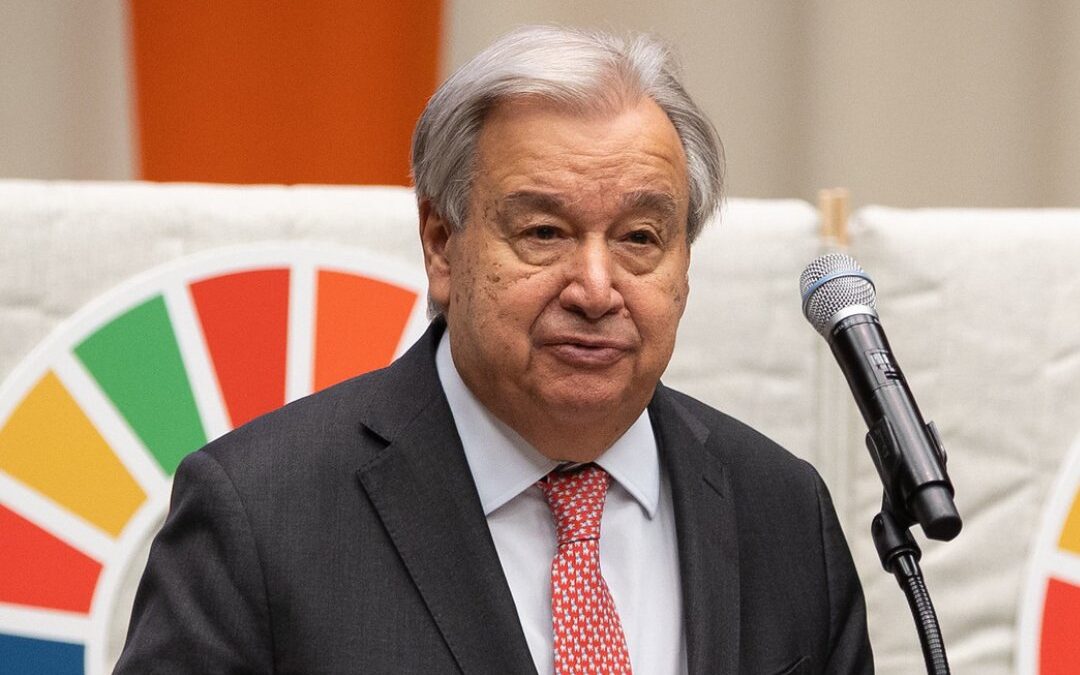
I didn’t hear anything until July 1. Someone else saw the UN press release and noticed my name among the 21-member panel selected by the UN Secretary-General, António Guterres. That person sent it to me on WhatsApp. I opened it and thanked God for the opportunity.
I looked at the names on the panel, and it was surprising. There were experts from the International Atomic Energy Agency, directors from the World Health Organisation, and many other well-known scientists whose work I respected. I was thrilled and kept checking the list to confirm it was my name. Finally, I realized it was really me. I then reached out to the UN Nigeria House Resident and Humanitarian Coordinator, Mohamed Malik Fall, who welcomed me to UN Nigeria House.
The panel started its activities last December after being inaugurated at UN Headquarters in New York. Since then, we have met virtually and had an in-person meeting in Vienna, Austria, in March. The next meeting will be in Geneva, Switzerland, in September, along with several consultations with regional stakeholders before submitting the final report to the UN General Assembly in 2027.
Drop your comment
No comments yet — be the first to drop the gist 👇