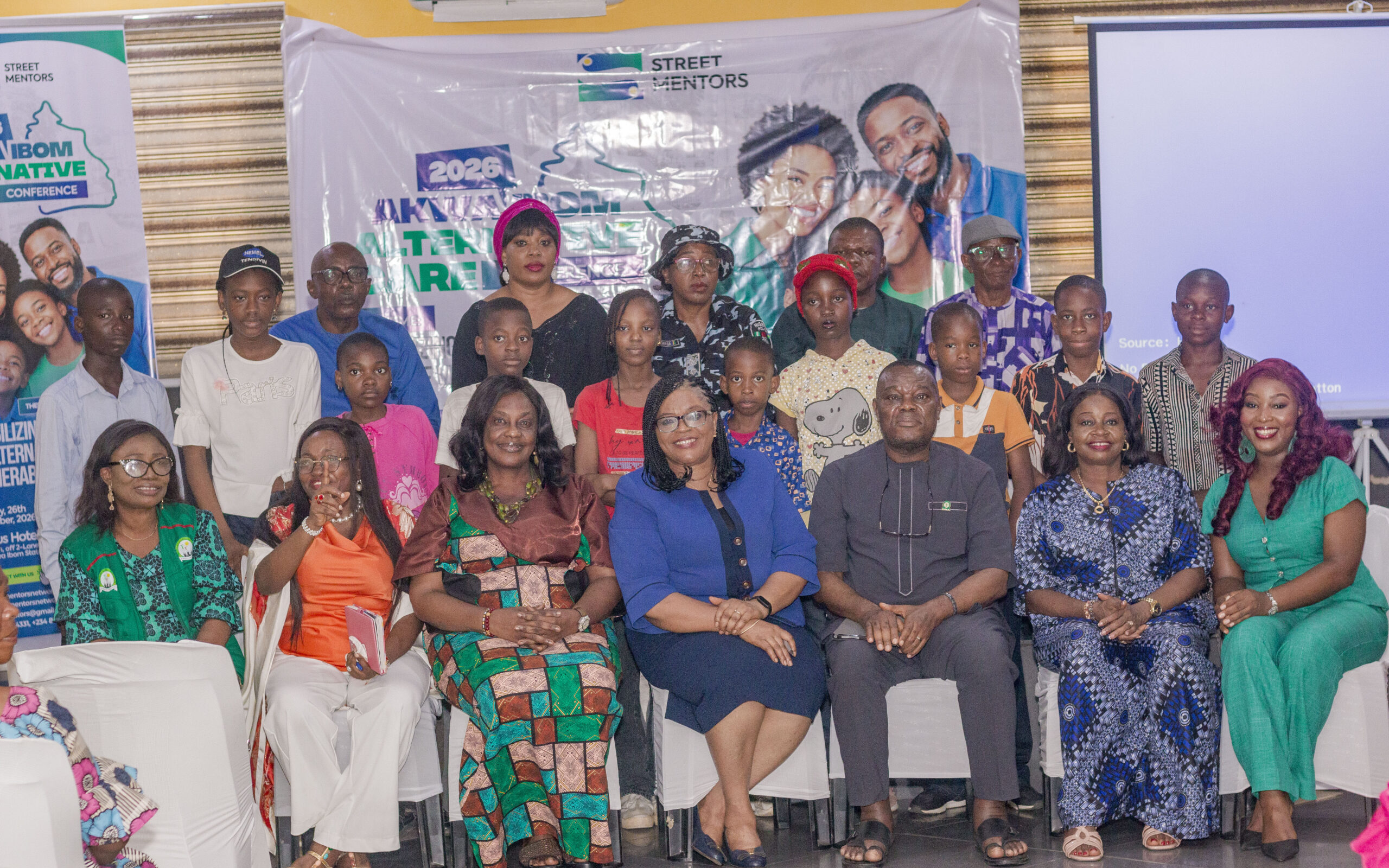
A judge from the Akwa Ibom State High Court, Theresa Obot, has urged the state government to create a database for children in alternative care. She also wants regular checks on their welfare to stop abuse and exploitation.
Mrs Obot made this call on Saturday in Uyo. She spoke during the Akwa Ibom Alternative Care Conference organized by Street Mentors Network.
Alternative care means providing care and protection for a child who cannot live safely with their biological family. This can include kinship care, foster care, guardianship, family-based care, and, if needed, residential care. The goal is to give the child a safe, stable, and nurturing environment while protecting their rights and development.
The conference was themed “Mobilising Families for Alternative Care of Vulnerable Children.” It also marked the fifth anniversary of the Street Mentors Network.
In her speech titled “Every Child Deserves a Safe Family: The Law, Our Responsibility and the Way Forward,” the judge pointed out the lack of reliable data on children in alternative care. This absence of data presents a major risk to their protection.
“There is no data on how many children are in alternative care, hence there is a threat that so many things can happen to them,” she said.
Ms Obot stressed that alternative care arrangements should be structured properly. She added that the government must document children placed in alternative care and follow up regularly to check on their welfare.
She also criticized how some law enforcement agencies treat children. She claimed that some officers manipulate children’s ages to keep them in correctional facilities.
“I have had situations where police increase the age of a child to put them in prison so that they are not put in alternative care,” she said.
Ms Obot praised the Akwa Ibom State Government for the Child Rights Law enacted in 2008. She said this law helps protect children from abuse and exploitation and deals with family disputes involving children.
She noted that the state might be the only one in Nigeria with a law that specifically bans branding a child as a witch or wizard.
The judge said the justice system needs to focus on the safety, stability, dignity, belonging, and development of children in family-related cases.
“The question before a Family Court is what environment will allow this child to become whole?” she said.
Ms Obot mentioned that keeping a family together should not mean keeping a harmful environment for a child. She said separation should not be the first option when safety can be achieved through support and protection.
She observed that family disputes often come to court as conflicts between adults, like husbands and wives or guardians and parents.
“But beneath the pleadings is often a child living the consequences of the dispute,” she said.
According to her, children caught in these disputes may face emotional trauma, neglect, domestic violence, poverty, and even trafficking.
She said they might lose contact with their parents or siblings or be moved repeatedly between homes.
Ms Obot urged Family Courts to ensure that children's interests do not get lost in legal battles between adults. She said that children should not be treated as property of either parent.
“The child is not the property of either parent. Custody is not a prize. Access is not a favour. Maintenance is not charity.
“And the child must not become the instrument through which one parent punishes another,” she said.
She added that courts should consider a child's safety, emotional health, education, healthcare, and relationships when deciding custody issues.
The judge also mentioned domestic violence as a serious issue. She noted that a child does not need to be physically hurt to suffer from violence in the home.
She said that a child who sees violence often can face fear, anxiety, and disruptions in their education.
Ms Obot encouraged the public to report child abuse to the police or Family Court. She said that the court could guide people on what to do and could record complaints and issue restraining orders.
She emphasized that the challenge is not just about making laws but ensuring those laws protect children in real life.
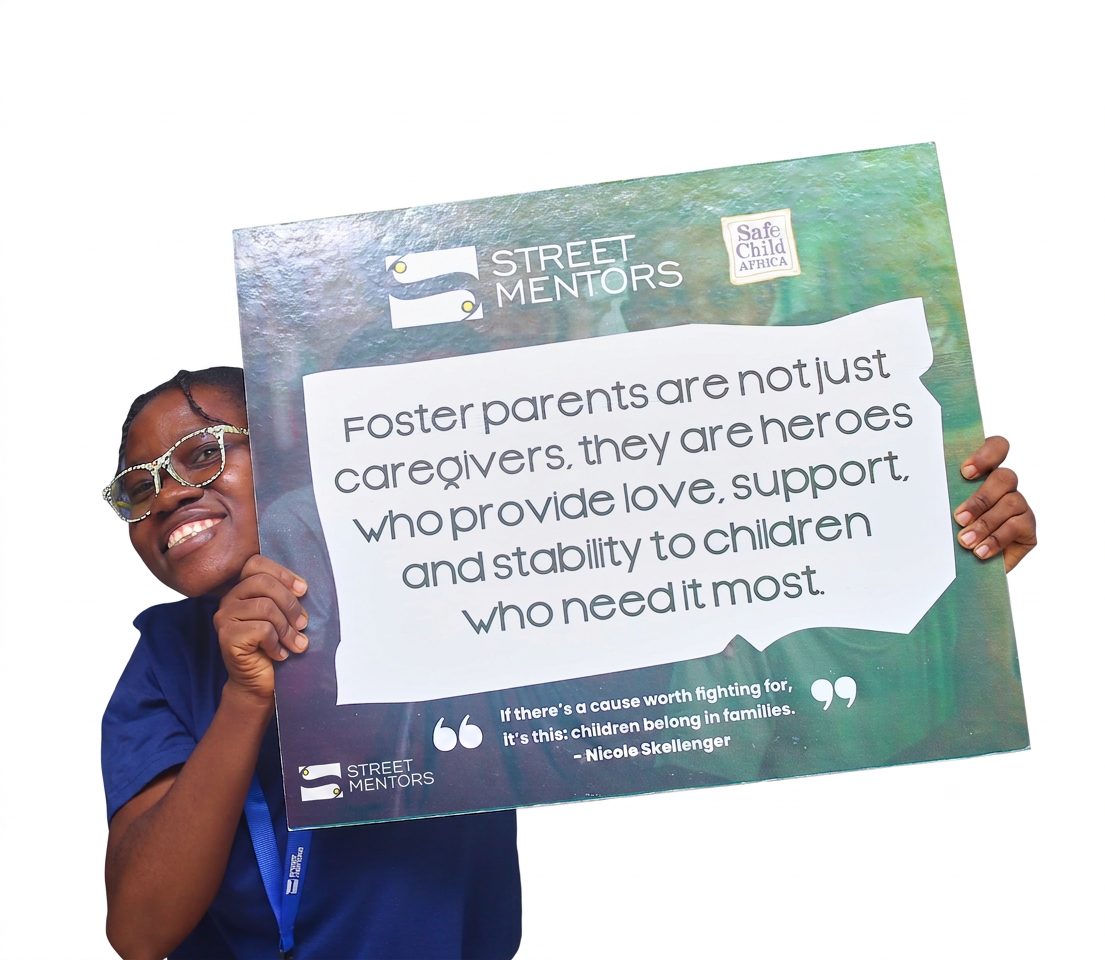

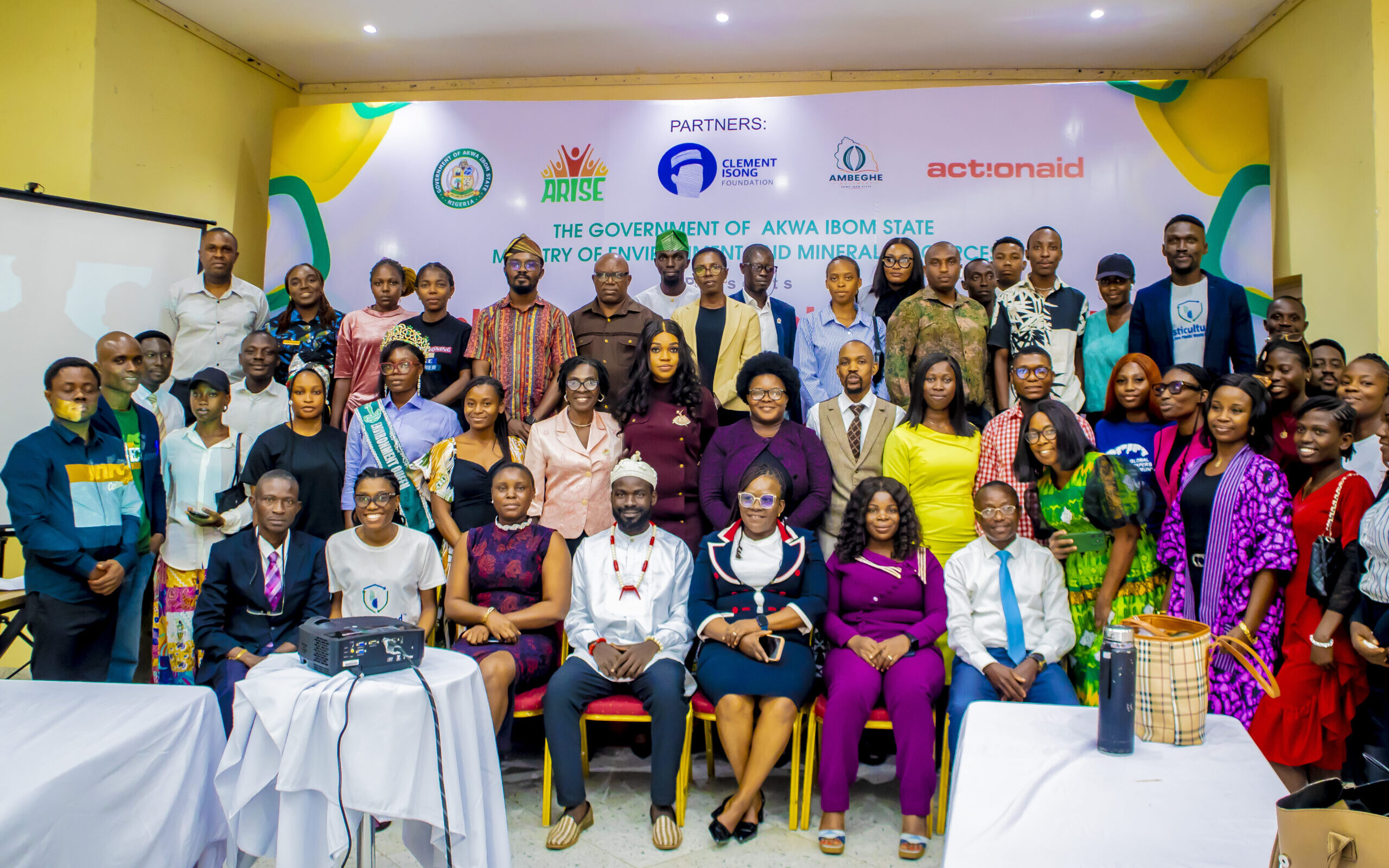
She listed effective laws, capable courts, responsible parents, and protective communities as key to a working child protection system.
Anita Michael, the Executive Director of Street Mentors Network, said the conference aimed to find ways to protect vulnerable children who cannot be raised by their biological parents.
“We can’t continue to sit on the fence and watch children wander without a future,” Ms Michael said.
She quoted Nelson Mandela, who said the way a society treats its children reflects its values. She added that children are vulnerable because they lack the strength to protect themselves.
“There are families that are led by children because the adult and society have failed,” she said.
Ms Michael said Street Mentors was not blaming anyone but wanted stakeholders to consider what happens to kids when they cannot live with their biological families.
“What is ideal is that the child be raised with parents, but what happens when that does not happen? What can we do for that child to become a responsible person in society?” she asked.
“Akwa Ibom State should not be a state where children are still on the street.”
Helen Ubit, the Executive Director of Theolight Foundation, said her organization partnered with Street Mentors to help vulnerable children.
She said strong families are needed to keep children off the streets and safe from risks.
Ms Ubit mentioned that Theolight Foundation has provided psychosocial support for girls with unplanned pregnancies and helped children from disadvantaged families find safe homes.
She said these efforts aim to reduce risks of abuse and trafficking.
Helen Umana, Chief Magistrate of Eket, also spoke. She said the courts deal with custody and maintenance cases regularly.
“We have cases that span through custody and who pays for education. We have a lot of cases of women wanting to leave their marriages,” she said.
Mrs Umana noted that some children end up on the streets when families break down. Girls are especially vulnerable to harassment.
She said Street Mentors’ efforts could support the courts, but warned that taking children off the streets without a plan could create new problems.
“While taking them off the street, have a plan for them, else they will also become a problem for you,” she said.
Margaret Effiong, a representative of the Commissioner for Women Affairs and Social Welfare, urged parents to encourage children to speak out against abuse and danger. She reaffirmed the ministry’s support for Street Mentors.
A panel at the conference looked at what causes children to face abuse, neglect, and separation from their families. They agreed that children should not be labeled as witches and urged families to understand the reasons behind children's behavior instead of stigmatizing them.
Panelists pointed out that some religious groups contribute to the issue, as parents may believe claims made by religious leaders about children.
They said this labeling can lead children to internalize the stigma.
Step-parenting was also discussed as a challenge, especially when one child is favored over others.
From the child's perspective, love and acceptance from parents or caregivers are vital for a safe family environment.
The conference brought together various stakeholders from the judiciary, government, civil society, and child-protection organizations to discuss ways to improve family-based alternative care for vulnerable children in Akwa Ibom State.



Drop your comment
No comments yet — be the first to drop the gist 👇