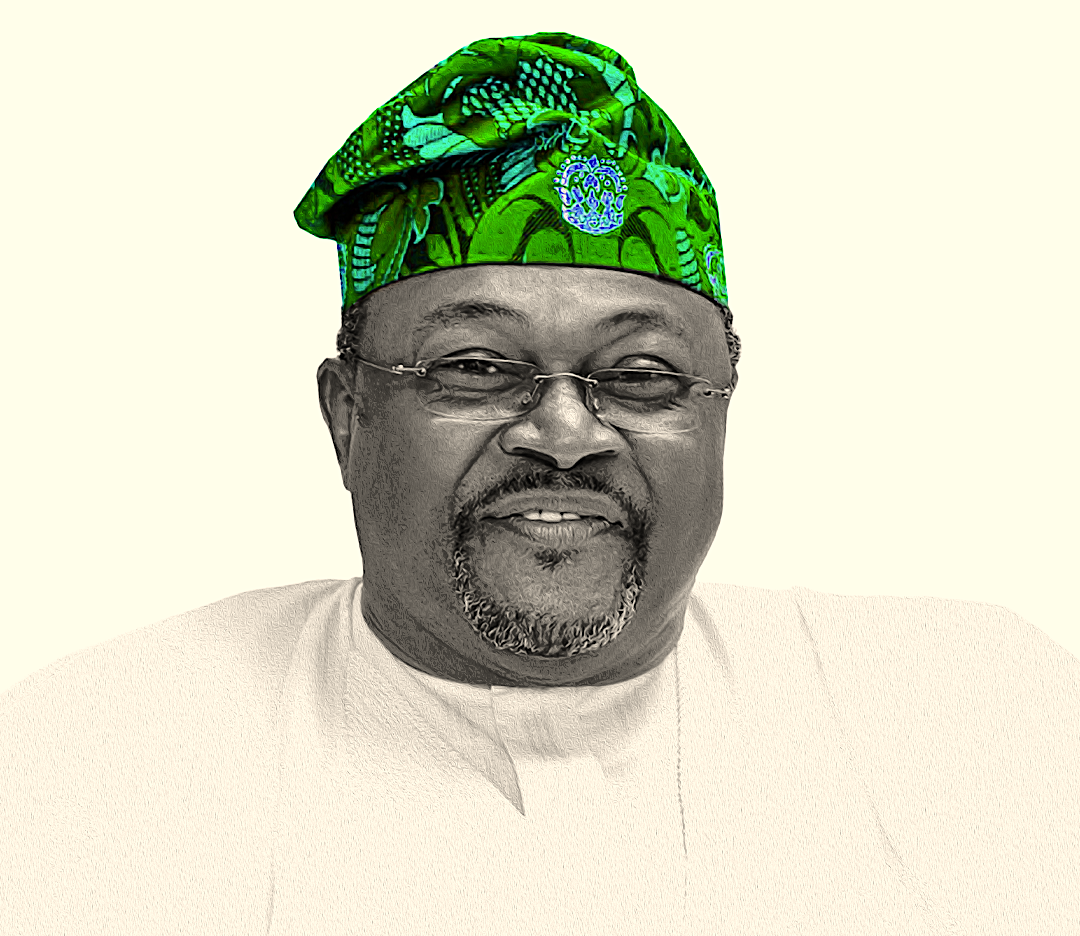
Mike Adenuga is not just a billionaire. He is a builder of Nigeria, a game-changer, a supporter of culture, and a strong symbol of homegrown businesses. His impact goes well beyond money and rankings. The real measure of what he has done is the idea he has shown for years: Nigerian-owned companies can create, compete, and thrive on a global level.
Countries are often remembered by the leaders they choose. But they are also shaped by their entrepreneurs.
The story of Nigeria today cannot be told without its great business leaders. Aliko Dangote changed the way industries work. Tony Elumelu changed banking and made business ownership accessible. Femi Otedola grew his influence in energy and improved the culture of giving back.
Among these leaders is Mike Adenuga Jr., one of the most important but least understood figures in Nigeria’s economic story.
Known as the “Gentle Giant” and “The Bull,” Adenuga has spent over 40 years changing Nigeria’s economy while staying out of the public eye. He gives few interviews, makes fewer public appearances, and seems to have decided long ago that fame is not important. Instead, he lets his businesses speak for him.
And they have a lot to say.
From telecommunications and oil to banking, real estate, aviation, sports, and entertainment, Adenuga has built businesses that impact almost every key area of Nigeria's economy. His companies haven’t just made money. They have challenged monopolies, improved access, created jobs, and increased local involvement in areas often controlled by foreign companies.
Nowhere is this clearer than in telecommunications.
When Globacom started in Nigeria’s telecom market in 2003, mobile communication was too costly for many Nigerians. A few companies dominated the market and customers had limited choices. Adenuga saw something important: telecommunications could not help Nigeria grow if ordinary people could not afford it.
His move to introduce per-second billing changed the industry.
Competitors had to rethink their prices, and millions of Nigerians suddenly had better access to communication. It was not just a smart marketing move. It transformed the entire sector.
But Adenuga was never just focused on today. With investments like the Glo-1 submarine cable and a wide fiber-optic network, Globacom laid the groundwork for Nigeria’s digital future.
Over 20 years later, Globacom is still Nigeria’s only fully Nigerian telecommunications giant. In a field where big global companies dominate, this is both a commercial and symbolic win. It shows that Nigerian-owned businesses can compete globally and succeed.
His achievements in oil and gas tell a similar story.
Through Congas and Conoil Producing, Adenuga created one of Nigeria’s top local energy companies in an area historically run by foreign corporations. At a time when many believed that only foreign companies had the skills and money to operate on a large scale, Conoil proved that local firms could do it too.
Long before “local content” became a popular term, Adenuga was already practicing it. His success showed that top energy companies could come from Nigeria.
Adenuga rarely talks about national development but consistently invests in it. His support for football, entertainment, and culture has helped showcase Nigerian talent worldwide. Through sponsorships and smart investments, he has backed businesses and something harder to measure: national confidence.
His influence also reached banking, though that part gets less attention.
His early investment in Equitorial Trust Bank helped expand access to modern banking at a key time in Nigeria’s economic growth. His view was simple: people cannot build wealth or start businesses if they are left out of the financial system.
That vision lasted beyond the bank itself. Equitorial Trust Bank later merged with Sterling Bank during the banking consolidation era, creating a stronger institution with more reach and capacity. While often overshadowed by his work in telecoms and energy, Adenuga’s role helped improve financial inclusion and strengthen Nigeria’s banking sector.
His goals were never just about profits and boardrooms.
In cities across Nigeria, his real estate projects have shaped the places where business happens. Telecom networks connect people and banks finance growth, but someone needs to build the offices, commercial centers, and developments where that growth occurs.
Real estate may lack the excitement of a telecom breakthrough or an oil discovery. Innovations get the headlines. Buildings get security guards. But cities grow not from headlines but from investors who commit to solid projects.

Adenuga gets that.
The same thinking explains his involvement in aviation.
Private jets can be easy targets in a country where inequality is a big issue. But running a business that includes telecom, oil, banking, real estate, and multiple markets is not a simple task.
For Adenuga, aviation is about efficiency, not luxury.
It is the difference between waiting and moving. His planes are business tools that keep executives, engineers, and decision-makers connected across complicated operations.
More importantly, each flight supports an ecosystem of pilots, engineers, airport workers, and service providers. In true Adenuga style, what looks like a personal asset is really part of a bigger economic picture.
He buys a plane; a whole chain of jobs gets created.
Adenuga rarely talks about national development but consistently invests in it. His backing of football, entertainment, and culture has helped showcase Nigerian talent globally. Through sponsorships and smart investments, he supports businesses and something that is often hard to measure: national confidence.
What sets Adenuga apart is his willingness to enter sectors where people said Nigerians could not succeed and then prove them wrong. Most business leaders are known for their companies. A select few are remembered for changing whole industries. Mike Adenuga is in that latter group.
Successful countries share more than just products. They also share culture, talent, stories, and identity.
Long before “soft power” became a trendy term, Adenuga understood its importance. His investments in sports and entertainment have amplified Nigeria’s voice internationally while creating chances for artists, athletes, and creative professionals at home.
Maybe that understanding comes from his own path.
Before becoming one of Africa’s richest men, Adenuga drove a taxi in New York while studying. His rise from humble beginnings to the top of African business has become part of Nigerian entrepreneurial stories.
But his story is not just about the wealth he built.
Many people make money. Fewer redefine industries.
What makes Adenuga stand out is how he willingly stepped into sectors where others said Nigerians couldn’t compete and then showed them they were wrong.
Most business leaders are known for their companies. A much smaller group is remembered for changing entire industries. Mike Adenuga belongs to that smaller group.
Today, his influence is part of modern Nigerian life. Millions communicate through the networks he built. Businesses operate in systems he helped create. Whole industries became more competitive because he challenged what others accepted as normal.
Mike Adenuga is more than a billionaire. He is a builder of Nigeria, a game-changer, a supporter of culture, and a strong symbol of local businesses. His legacy goes beyond market values and rich lists.
The real measure of his contributions may be the idea he has shown for decades: that Nigerian-owned companies can create, compete, and succeed globally.
In a country that has often struggled with doubts about its potential, that is no small feat.
Indeed, it may be his greatest legacy of all.

Drop your comment
No comments yet — be the first to drop the gist 👇