At the start of the new judicial year last month, Chief Justice Kudirat Kekere-Ekun asked for judges to be protected from "personal attacks, ridicule, threats and harassment." This request comes with a duty for the National Judicial Council (NJC), which she leads, to take strong and quick actions. This is especially important during this political season to prevent a growing number of judges who act as political agents for known politicians. Such judges should not be part of election petition tribunals.
With just two and a half months until the general election, political surrogates have become very common in Nigeria. These individuals are trusted to speak for or support the views of candidates running for office. They are found in many areas and perform various roles.
However, political surrogates should not be acting as judges in our courts. Nigeria’s constitution clearly states this. Section 36(1) says a court should be "constituted in such manner as to secure its independence and impartiality." A court led by a political surrogate cannot meet these standards of independence and fairness.
In simpler terms, a judge who acts for a political party or politician is not a lawful judge.
In the past, it was even a crime to suggest that a judge could be involved in party politics. This idea comes from a notable case decided by the High Court of Australia on June 7, 1911. Two months earlier, on April 7, 1911, a newspaper called The Mercury in Hobart, Tasmania, published an article titled “A Modest Judge.” The article criticized Mr Justice Higgins, a senior judge who also led the Commonwealth Court of Conciliation and Arbitration.
In that case, a lawyer named Mr Starke accused a labor union of wrongdoing, claiming they were supported by the government. Justice Higgins stopped him from saying such things. When the lawyer insisted he had the right to defend his client, the judge responded, "[Y]ou are not entitled to speak disrespectfully of those above us."
The Mercury then described Justice Higgins as “what is called a political Judge, that is, he was appointed because he had well served a political party.” The newspaper also felt he refused to allow criticism of those who helped him achieve his judgeship.
The Attorney-General of Australia charged the newspaper with “scandalizing the judiciary.” But Samuel Walker Griffith, the first chief justice of Australia, dismissed this charge. He stated, "I am not prepared to accede to the proposition that an imputation of want of impartiality to a Judge is necessarily a contempt of Court." He believed that public comments about a judge’s impartiality could be beneficial for the public.
In many court systems today, some parties can choose their own judges. In a case against senior lawyer Joseph Nwobike, he was accused of “inducing court registrars to ensure that his cases were assigned to his preferred judges.” Nwobike also offered bribes to Mohammed Yinusa and Hyeladzira Nganjiwa, both Federal High Court judges.
Nigeria’s judiciary started as a tool for the Royal Niger Company in the late 19th century. Frederick Lugard, who worked for the Imperial British East African Company before joining the Royal Niger Company, preferred his judges to be loyal to the executive. After independence, early politicians wanted to keep this tradition alive. Ladoke Akintola, the regional premier, was disappointed when Chief Justice Samuel Okhai Quashie-Idun did not act as his political surrogate during the political crisis in the old Western Region in 1961.
In the 1980s, military leader Ibrahim Babangida changed judicial appointments to support military rule. By 1989, Chief Judge of Lagos State Ligali Ayorinde ruled that the soldiers had become constitutional Kabiyesi.
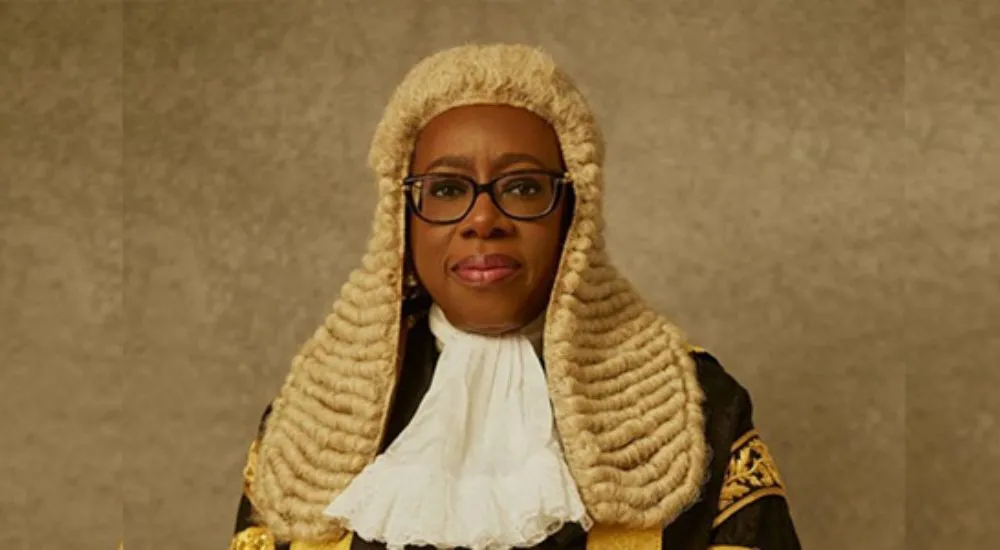
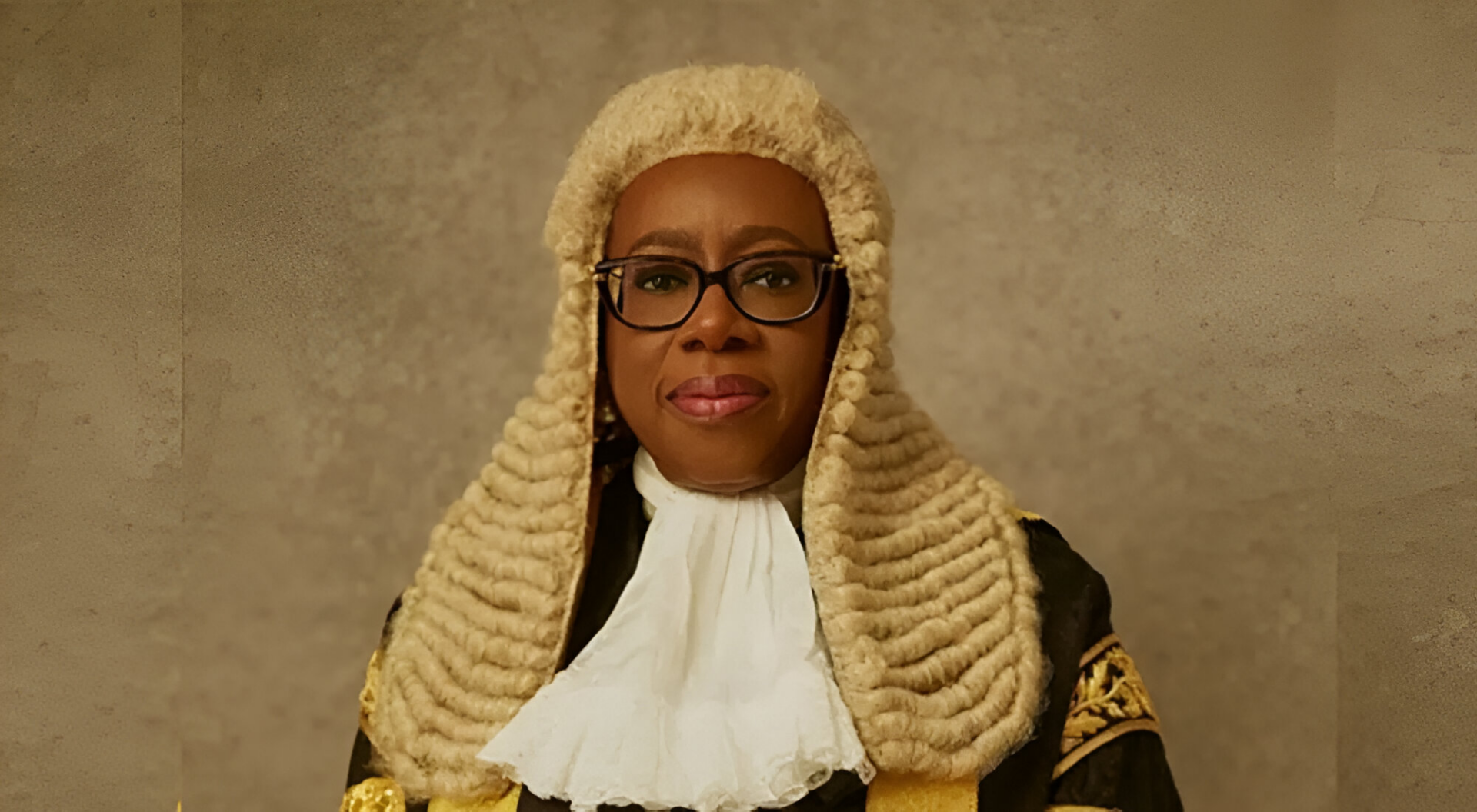
While many judges during military rule generally tried to do the right thing, some chose to act as surrogates for the military. Today, it seems the opposite is true, especially in the High Courts. Many of these judges now seem to prioritize political loyalty over judicial integrity. It is safe to say there are judges in Nigeria who do “not mean to allow any reflections on those to whom [they] may be said to be indebted for [their] judgeship.”
The Federal High Court and the FCT High Court have gained a reputation for judges becoming political surrogates.
In the Federal High Court, political cases often go to a select group of judges. A notable example is Wilson Egbo-Egbo, a former Federal High Court judge, who, 23 years ago, unilaterally installed a Senate President, impeached a Governor, and replaced him with his deputy.
Recently, two young judges appointed in October 2023 have begun to act as political surrogates. One is based in Lagos, while the other is in Abuja. Political cases are quickly assigned to them. Their decisions often appear to be scandals in disguise.
The reason for this assignment pattern is clear. The Chief Judge responsible for these assignments does not seem to care that his actions make him a political surrogate.
In a recent case in the High Court of Anambra State, a relatively young judge ruled on a case driven by political interests. This case was about a high-profile statutory office that should have been handled by the National Industrial Court of Nigeria. The judge knew he had no authority. The case was filed on September 15, 2025. Just ten days later, he issued contradictory orders beyond his power. It seemed like the judgment was written anywhere but in the judge’s chambers.
Such actions can ruin judicial careers before they even start. Stanley Nnaji, a now-late judge from Enugu State, was an early political surrogate of the Peoples Democratic Party. His actions cost him dearly.
As the new judicial year begins, Chief Justice Kudirat Kekere-Ekun has again asked for judges to be protected from “personal attacks, ridicule, threats and harassment.” This also means the National Judicial Council needs to act quickly to stop the rising number of judges acting as surrogates for known politicians. They should not be part of election petition tribunals. If the NJC cannot or will not act, citizens might have to view these judges as political agents or unlawful judges.


Drop your comment
No comments yet — be the first to drop the gist 👇