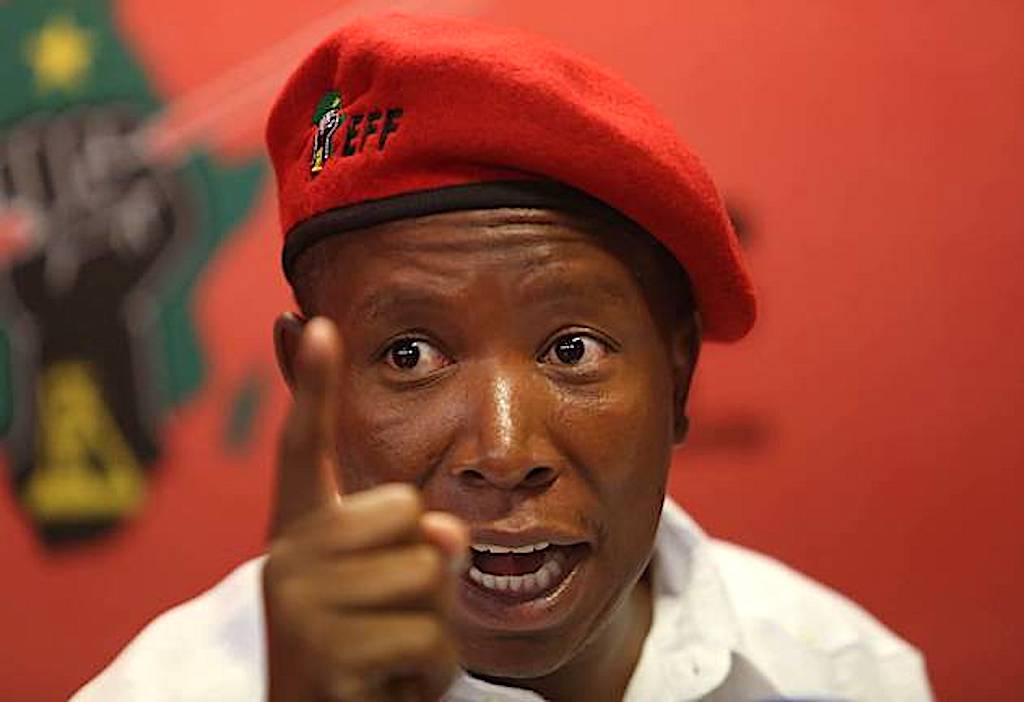
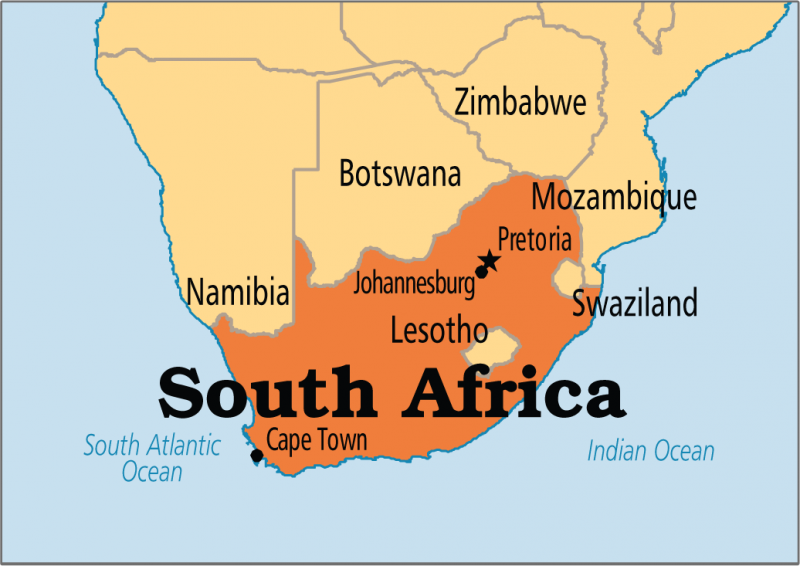
South African opposition politician Julius Malema has called the recent xenophobic attacks on foreign nationals in the country “state-sponsored.” He accused police and government agencies of not stopping the violence and intimidation against migrants.
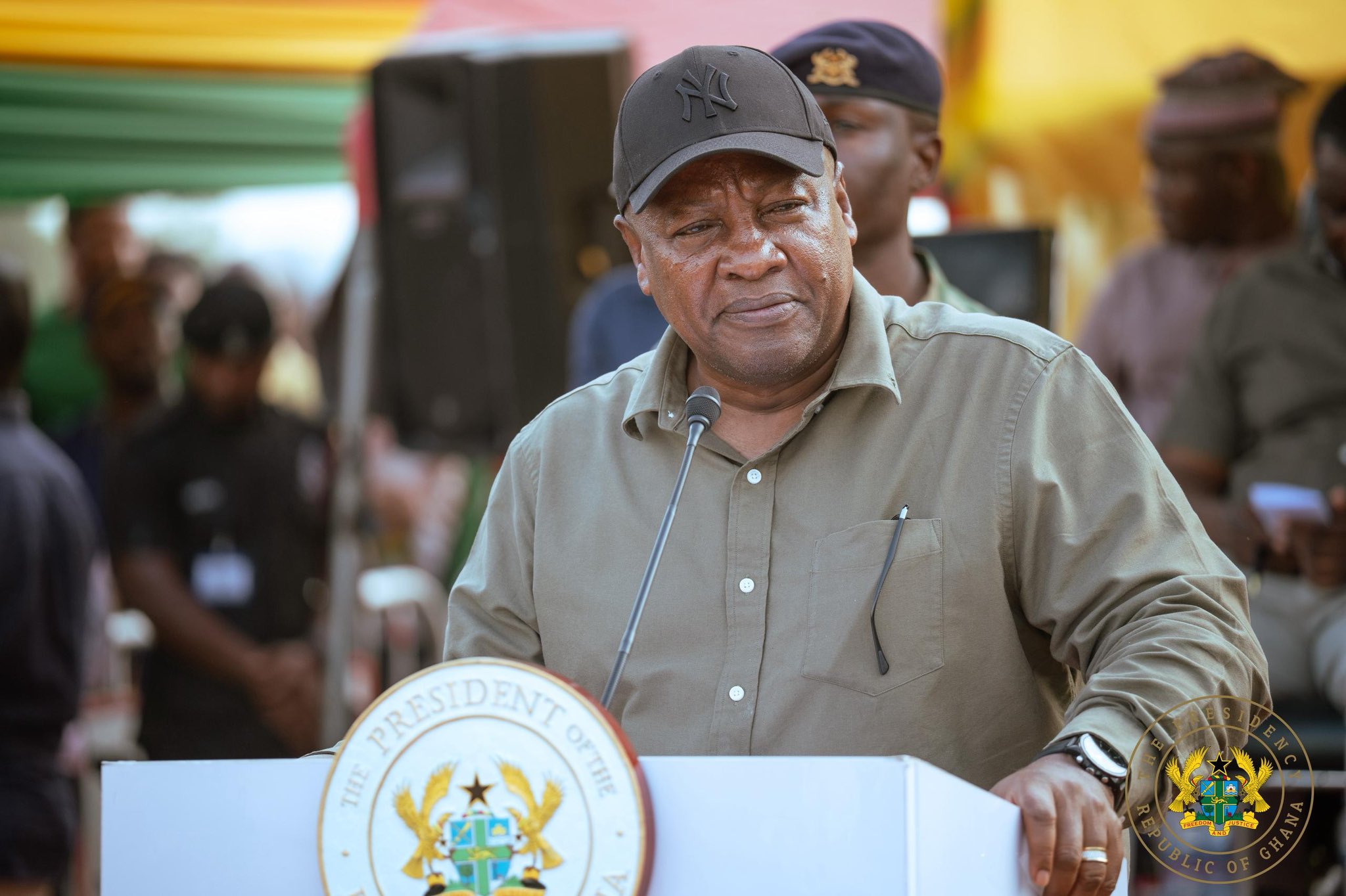
Malema’s comments come as anti-foreigner protests grow. Social media campaigns are spreading, and hundreds of African migrants, including Nigerians and Ghanaians, are being sent back home after rising tensions in different communities.
At the same time, the South African government plans to charge foreign countries for deporting their nationals. This decision has sparked conversations across Africa.
In a video shared by the South African Broadcasting Corporation (SABC) about two weeks ago, Malema said authorities are allowing attacks on migrants to happen.
“I think we should agree that the violence is state-sponsored because the police accompany the people who are committing all these crimes,” he said. “The state broadcaster and mainstream media are giving them unlimited airtime to spread hate and incite violence.”
Malema pointed out that people have been assaulted in front of the police. “Take them from one building to the other in the name of looking for drugs. According to South African law, that’s an assault, and police are duty-bound to intervene and make sure no civilian acts like a law enforcement officer.”
He also said that xenophobic violence shows patterns that we have seen in earlier political unrest.
“We’ve seen in the past where violence is sponsored by the state. It happens in the same areas where xenophobia is happening. They use tribal groups to perpetuate hate on each other.”
Malema dismissed claims that economic problems justify attacks on migrants. “We cannot use our economic situation to justify hatred. There has always been a contestation of resources. It’s always been like that, but we were able to coexist even when these resources are so limited.”
Social media posts reviewed by PREMIUM TIMES show that anti-immigrant feelings are growing among some South Africans.
In a Facebook video posted on Thursday, a South African named Njabulo Zwane filmed a quiet commercial area where shops had closed down. He suggested that this showed that foreign-owned businesses dominate the area.
“We don’t own anything in our country,” he wrote. “All the shops are closed, so no South African owns a business in town …this means these are all foreign shops.”
In the video, Zwane said: “No shop is operating today. We don’t own anything in our country. The shops are closed. The town is closed, and this is very sad in South Africa.

“They must actually go and leave the country,” he added, seemingly talking about foreign nationals.
“Everywhere is closed because most shops are not owned by South Africans. They are shut down. We’re telling people we’re happy without them.” He also mentioned he was parking his car to join a march linked to anti-foreigner protests.
Civil society groups have condemned blaming migrants for South Africa’s economic issues.
During a protest captured in a video shared by eNCAnews seven weeks ago, activists said migrants are being unfairly blamed.
“We are marching for justice. We are tired of the exploitation that is happening, dehumanising of other people because we call them illegal,” one protester said.
Another protester added: “Our problem is mass unemployment. The idea that the 12.4 million unemployed people in the country are because of the migrants is outrageous.”
On Thursday, Khayalethu Sam, a South African married to a Nigerian woman, urged people to reject hate and focus on the real reasons behind migration issues.
“As South Africans, we must confront illegal activity wherever it exists. But we must also guard our hearts against hatred, violence, and the dehumanisation of others. We cannot solve one injustice by creating another,” he wrote on Facebook.
Sam also argued that corruption and bad governance, not migrants, are causing many of the country's social and economic problems.
“May we choose wisdom over anger, truth over stereotypes, and compassion over hatred,” he said.
His comments show the growing debate in South Africa over immigration, unemployment, and national identity as the country faces renewed xenophobic tensions and their effects on relations across Africa.

Drop your comment
No comments yet — be the first to drop the gist 👇