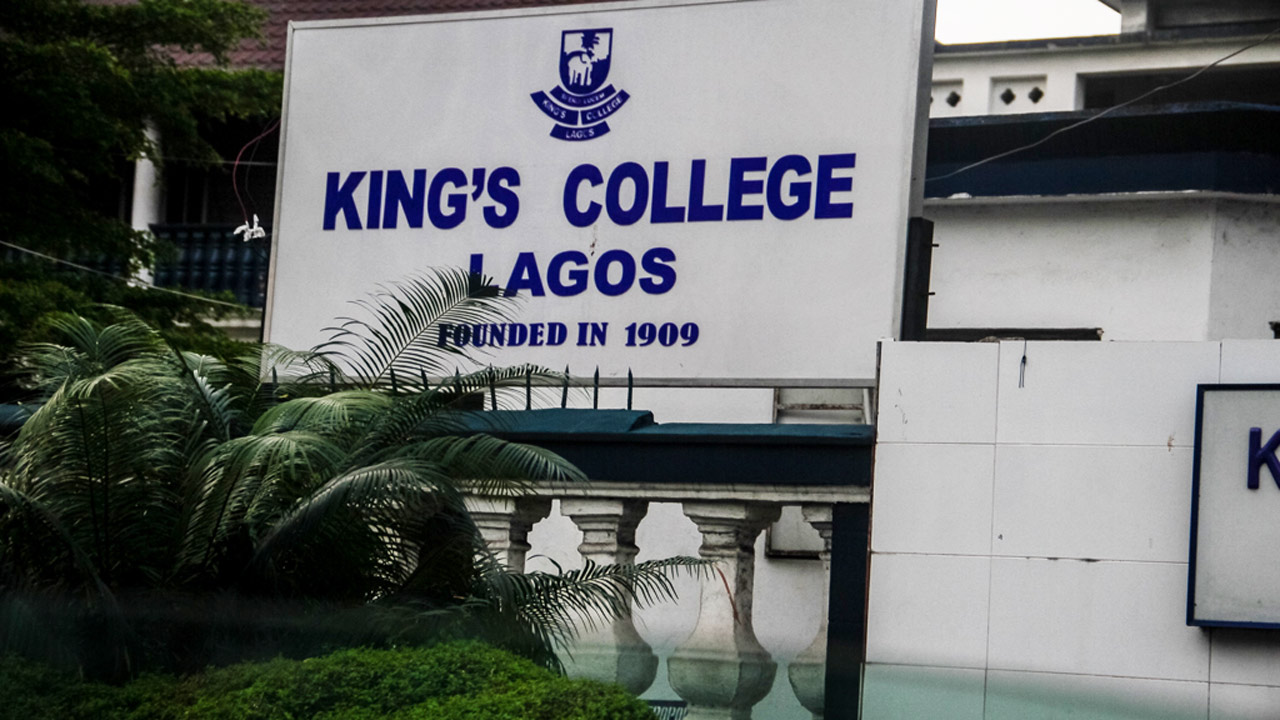
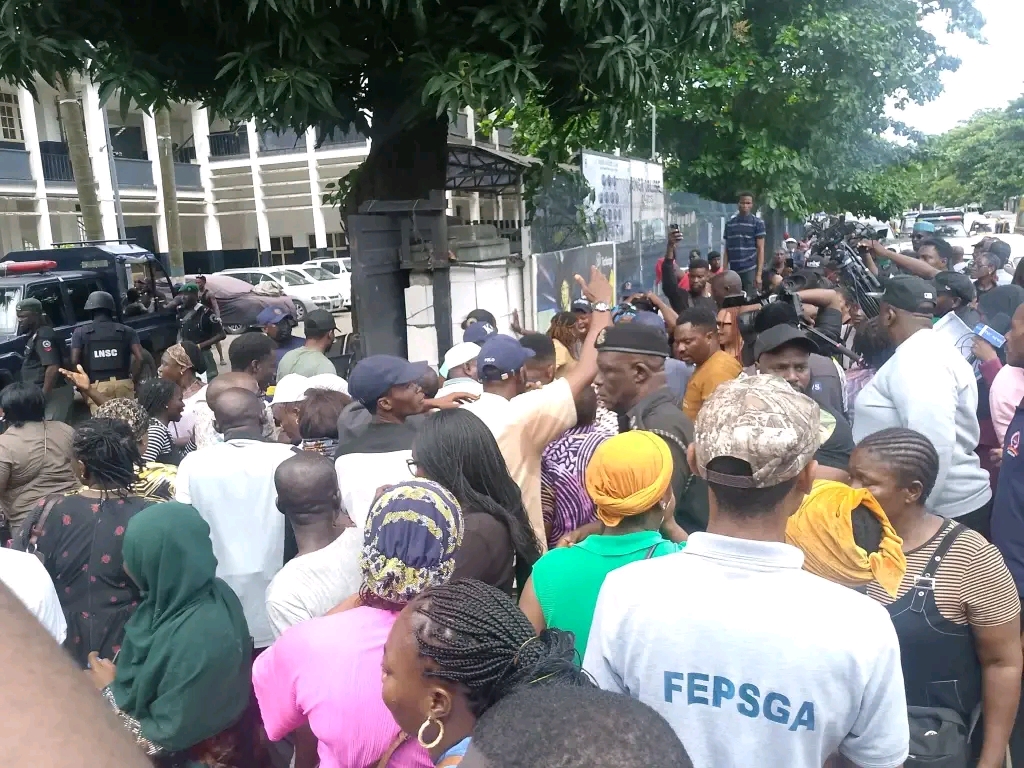
Academic activities at King’s College, Lagos, have not started since the 2026/2027 session began about three weeks ago. The government’s decision to hand over the school to its Old Boys Association has faced major opposition. On 15 September, members of the Parents Teachers Association (PTA) clashed with the Old Boys at the school gates. They blocked access for a planned meeting, leading to chaos and some injuries. The police had to step in with heavy presence.
In Abuja, there was a similar scene at the Federal Ministry of Education. Organised labour, staff, and the PTA from King’s College protested together. The Joint Congress of Unions of the Federal Ministry of Education and the Trade Union Congress (TUC) held solidarity actions at several federal Unity Colleges across the country.
This unrest followed the Minister of Education, Tunji Alausa’s announcement in August that King’s College would be given to the Old Boys Association for a 35-year concession. This news sparked outrage and concern from many stakeholders who have valid worries about the future.
King’s College (KC), Lagos, was set up in 1909 by the colonial government and is a key heritage institution in Nigeria. It stands alongside other notable schools like Government College, Ibadan; Barewa College, Zaria; and Government College, Umuahia.
Sadly, King’s College has declined over the years. It is now struggling like many other public institutions in Nigeria. The school has poor infrastructure, with crumbling buildings, overcrowded hostels, and decreasing standards. In 2025, a 12-year-old student died in the hostel from diphtheria.
For many older students, bullying younger ones is common. This has upset many parents, leading them to pull their children out of the school’s dormitories. The Old Boys Association wants to fix these issues and restore the school’s reputation.
While their intentions are good, the way they plan to do this raises concerns. In many countries, Old Boys support their former schools by building classrooms, fixing hostels, and creating educational funds.
At King’s College, parents worry about how their children will be affected by this change. They also fear the fees might rise once government funding stops. Teachers and staff feel uneasy about their job security, salaries, and pension plans in a private ownership setup.
After failing to enforce the concession, the government paused its order for two weeks following talks with union members. This pause allows a seven-member committee to review the controversial concession agreement. Their work started last Monday and will look at the concession duration, school fees, ongoing public funding, staff welfare, and the Old Boys’ financial obligations.

This should have been the first step by the federal government instead of rushing into decisions. This approach reminds many of President Bola Tinubu’s fuel subsidy removal in 2023.
Peter Oluwaleye, the PTA Chairman, criticized the concession. He stated that the federal government would stop funding the school after the concession. The forum of former principals of the college also expressed anger. They called the plan “inconceivable” and said, “A system where the federal government stops funding daily operations and infrastructure development of King’s College would mean abandoning one of its critical social responsibilities, the education and development of the nation’s future human capital.” We agree with this view.
The minister’s firm stance of “no going back” on the concession is unhelpful right now. It complicates things for the seven-member committee, making it hard to reach a fair solution. We believe King’s College should stay a public school, its role in our history protected and properly funded.
This controversial policy highlights the government’s repeated forgetfulness of its past mistakes. In 2006, there was a push to concession or sell 102 Unity Colleges during Olusegun Obasanjo’s presidency, with Oby Ezekwesili as education minister.
Nigeria seems unique in choosing to sell or concession its national monuments. The Tafawa Balewa Square in Lagos, where Nigeria’s independence was declared on 1 October 1960, was almost sold off 19 years ago. The revenue was meant to cover budget deficits in 2007, 2017, and 2022, which were plagued by corruption.
That sale did not happen due to a legal battle between the federal government and Lagos State over ownership. The National Theatre in Iganmu, now called the Wole Soyinka Centre for Culture and Creative Arts, faced a similar fate.
If the government successfully goes ahead with its concession plan at King’s College, it could lead to other Unity Colleges facing the same fate. This is why the 104 Unity Colleges must support King’s College to protect public education in the country.
The drop in the education budget since 2024, going from 7.9 percent to 7.08 percent in 2025, and then 6 percent in 2026, while the government collects more revenue, is baffling. The government should keep public schools running!
Drop your comment
No comments yet — be the first to drop the gist 👇