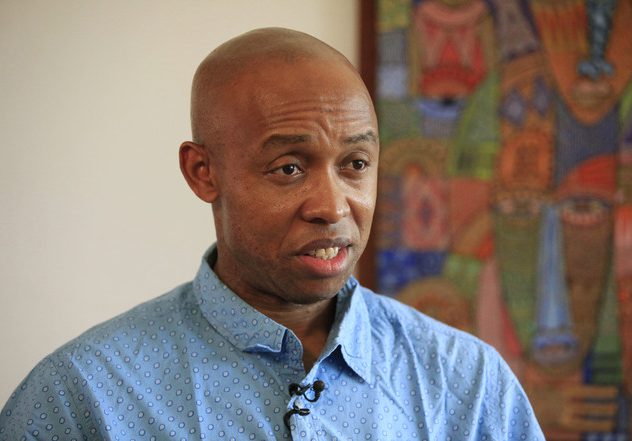
Abubakar Malami brought shame to the office of Attorney-General of the Federation, disgrace to Nigeria, and infamy to himself. The arbitration tribunal's decision has enough evidence to bring him before the Legal Practitioners Disciplinary Committee and possibly disbar him from being a lawyer in Nigeria. This is clear.
On 15 January 1966, Chukwuma Kaduna Nzeogwu announced the military coup in Nigeria. He criticized a group of "political profiteers, the swindlers, the men in high and low places that seek bribes and demand 10 per cent." Back then, Nigeria mainly relied on agriculture and solid minerals for funding.
Things took a turn seven years later. After the Arab-Israeli War began in October 1973, the Organisation of Petroleum Exporting Countries (OPEC) raised oil prices. In the year that followed, oil prices skyrocketed over ten times. For oil-producing nations, it was a jackpot.
Nigeria benefited from what became known as the "oil boom." According to then military ruler, Yakubu Gowon, the problem was no longer money but how to spend it. Nigeria's leaders lost control.
With newfound wealth, the country became, as one book titled it, the place "where vultures feast." Ten per cent was no longer enough. High office became a chance to exploit the country instead of serving it well.
A clear example occurred in a case decided by the Court of Appeal in England in January 1977. As Nigeria became richer by 1974, it started a big upgrade of institutions and infrastructure. It needed a lot of cement for this purpose. The main port in Lagos could handle less than two million metric tonnes per year.
By mid-1975, the Lagos port was overwhelmed with over 20 million tonnes of cement, more than ten times its capacity. The Court of Appeal in London described the scene: "All the berths were occupied. There were 300 to 400 ships outside waiting. More ships were arriving daily. Most of them were carrying cement. All of those waiting were on demurrage." The court believed that "there must have been some mismanagement somewhere to lead to this pile-up of vessels off Lagos."
Instead of finding and punishing those responsible, the military regime rejected the financing contracts. This led to a flood of lawsuits against Nigeria in foreign courts.
The country tried to escape financial responsibility by claiming sovereign immunity. This legal doctrine says a government cannot be sued in another country for its actions. Debts and damages piled up, and the country has been suffering since then, while some high-ranking officials profited.
In Nigeria, this case set a trend for official insider-dealing under the guise of legal processes. The latest of these schemes ended recently in Paris over the long-running Mambilla Hydropower Project.
Columnists Simon Kolawole and Olusegun Adeniyi called this case a "scam," but that term downplays the situation. The final arbitration decision runs into 619 pages of troubling details. Here is a brief summary.
The long story of the Mambilla Hydropower project has lasted 55 years. It was first planned in 1972 and aimed to generate nearly 4,000 megawatts of energy. A decade later, it began to take small steps toward reality. By the time it was considered feasible three years later, Muhammadu Buhari had overthrown Shehu Shagari in a military coup.
In 1999, Olusegun Obasanjo returned to the presidency and found that not much had changed regarding the Mambilla project in the 20 years since he was last in power. During the last cabinet meeting of his first term on 21 May 2003, energy minister Olu Agunloye presented a memo to contract Sunrise Power and Transmission Company Limited (SPTCL) for the Mambilla Hydropower project. The president found the memo lacking and asked for it to be withdrawn. The next day, the same minister disregarded this decision and awarded the contract to SPTCL.
SPTCL was formed only two years earlier in 2001, with a share capital of just one million. The arbitration tribunal in France found that it had a "complete lack of hydroelectric expertise and experience."
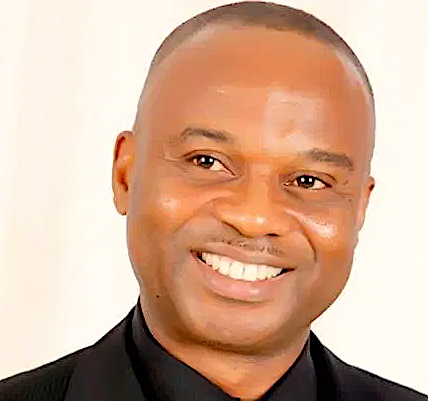
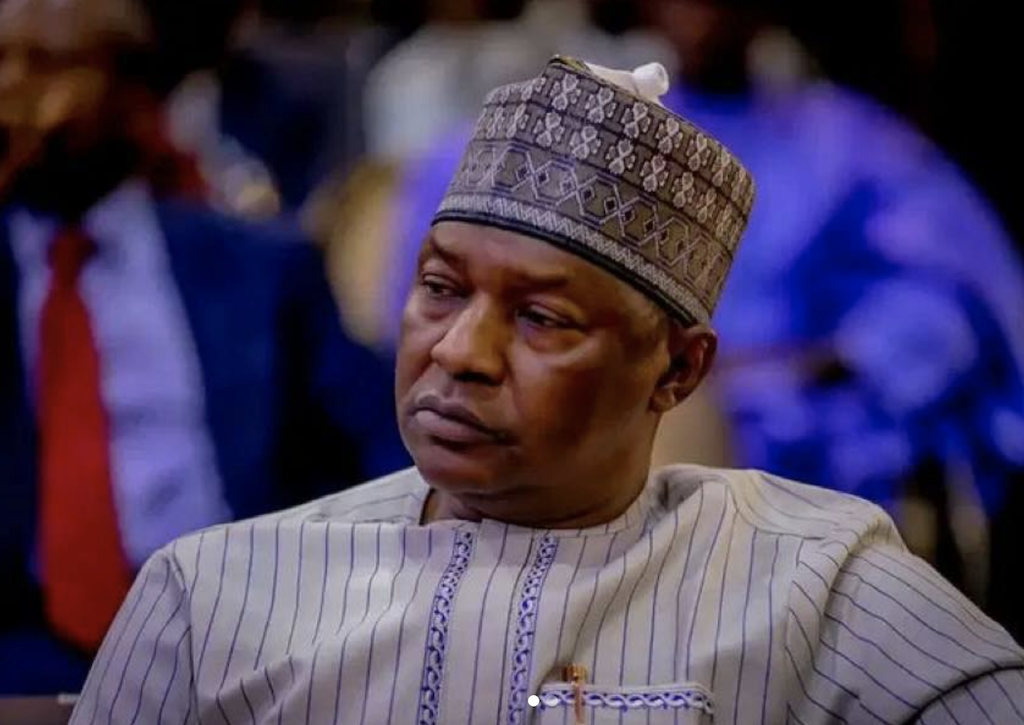
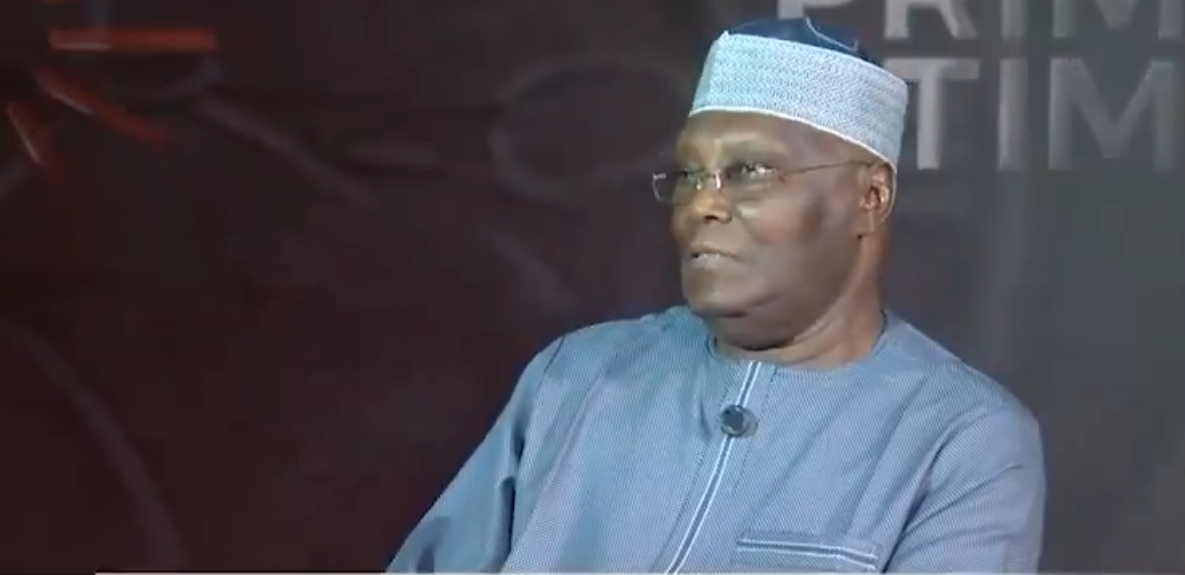
The company's promoter, Leno Adesanya, was called a "criminal of the highest order" by former Attorney-General Abubakar Malami in a note to the then Chief of Staff to the president, Abba Kyari, in 2018. Malami claimed Adesanya conspired with past administrations to file frivolous arbitration claims and steal money from governments. The tribunal in France noted that he was a "repeat player" with a habit of launching "frivolous legal proceedings against Nigeria."
Two years later, Malami was part of a scheme with Adesanya against Nigeria.
The unauthorized contract awarded by Dr Agunloye in 2003 led to an endless claim of liability against Nigeria by SPTCL and Adesanya. His corrupt influence in various administrations was shocking.
Adesanya had many senior government officials on his payroll, including people in the presidency and the office of the National Security Adviser, and their families. Permanent Secretaries benefited from his generosity, and he acted like he owned the Attorney-General’s Chambers in Abuja.
By January 2020, Adesanya managed to reach a supposed settlement for his claim against Nigeria. Abubakar Malami and energy minister Saleh Mamman initialed an agreement with him to settle for $200 million. Two months later, the amount rose to $400 million with interest compounding at 10 per cent daily. President Muhammadu Buhari refused to pay the bill pushed by his son-in-law, Abubakar Malami.
In 2021, Adesanya took the matter to arbitration at the International Chamber of Commerce in Paris. Why a dispute over a supposed contract between a Nigerian, his Nigerian company, and the Nigerian government should be settled in France is a different issue. He stood to gain $2.3 billion from Nigeria if he won.
To fund this, Adesanya and SPTCL got support from Burford Capital Limited, a vulture fund known for exploiting developing countries. This allowed him to hire expensive lawyers in Nigeria and abroad at massive costs. The cost of the proceedings would exceed $31 million.
The arbitration concluded that Ministers Malami and Mamman acted without authority when they entered into the settlement with Adesanya. Therefore, they did not bind Nigeria, and the agreement was "unenforceable because it is a product of corruption and violates Nigerian public policy."
To secure the questionable agreement, Abubakar Malami allowed himself to be corrupted by Adesanya. The deal could have seen him pocket up to 50 per cent of the disputed payout, possibly over $200 million. He was also offered women. It is unclear if he accepted.
In the end, the arbitration tribunal stated that "Attorney-General Malami deliberately acted against the best interests of Nigeria..." and that his actions showed "a lack of moral compass."
While serving as Attorney-General of the Federation, Abubakar Malami had a close associate named Abdulrahman Musa Bashar, who was with him all the time. Their business revolved around bribes. When Malami needed to discuss this, Abdul would make the call, and Malami would use Abdul’s phone. Abdul was Malami’s go-to guy for corruption.
From these activities, Malami acquired properties worth over $154.6 million, which a Nigerian court ordered to be forfeited two months ago. This case shows there is more to uncover. He plans to use this money in his quest for the governor's mansion in Birnin-Kebbi in February 2027.
Abubakar Malami brought shame to the office of Attorney-General of the Federation, disgrace to Nigeria, and infamy to himself. The arbitration tribunal's decision has enough evidence to bring him before the Legal Practitioners Disciplinary Committee and possibly disbar him from being a lawyer in Nigeria. This is clear.
Drop your comment
No comments yet — be the first to drop the gist 👇