
---
More than 30 percent of solar systems set up in Nigerian Primary Health Centres (PHCs) stop working within three years, according to the Minister of State for Health and Social Welfare, Iziaq Salako.
Salako shared this information on Wednesday in Abuja during the launch of the Rural Electrification Agency (REA)-Renewable Asset Management Company (RAMCO). The event focused on “Powering Sustainable Growth: Launching Nigeria’s Renewable Asset Management Company.”
He explained that the main issue is not the technology itself. Instead, it is often due to a lack of scheduled preventive maintenance, unavailability of spare parts, no dedicated budget for upkeep, and unclear responsibility for the systems after the project ends.
Salako pointed out that this situation shows the need to go beyond just installing renewable energy systems. We must also ensure they keep working and are well maintained.
Managing Renewable Energy Assets
Salako mentioned that RAMCO could help solve these problems by managing renewable energy assets after they are installed.
RAMCO aims to turn an installation into a managed asset. Its approach includes building, operating, optimizing, aggregating, refinancing, and reinvesting, he said.
He added that this model would ensure renewable energy systems in health facilities have owners, clear performance standards, maintenance schedules, and are listed on a balance sheet.
Salako explained that this would help treat renewable energy infrastructure as assets that are managed and maintained professionally, rather than just projects that end after a certain time.
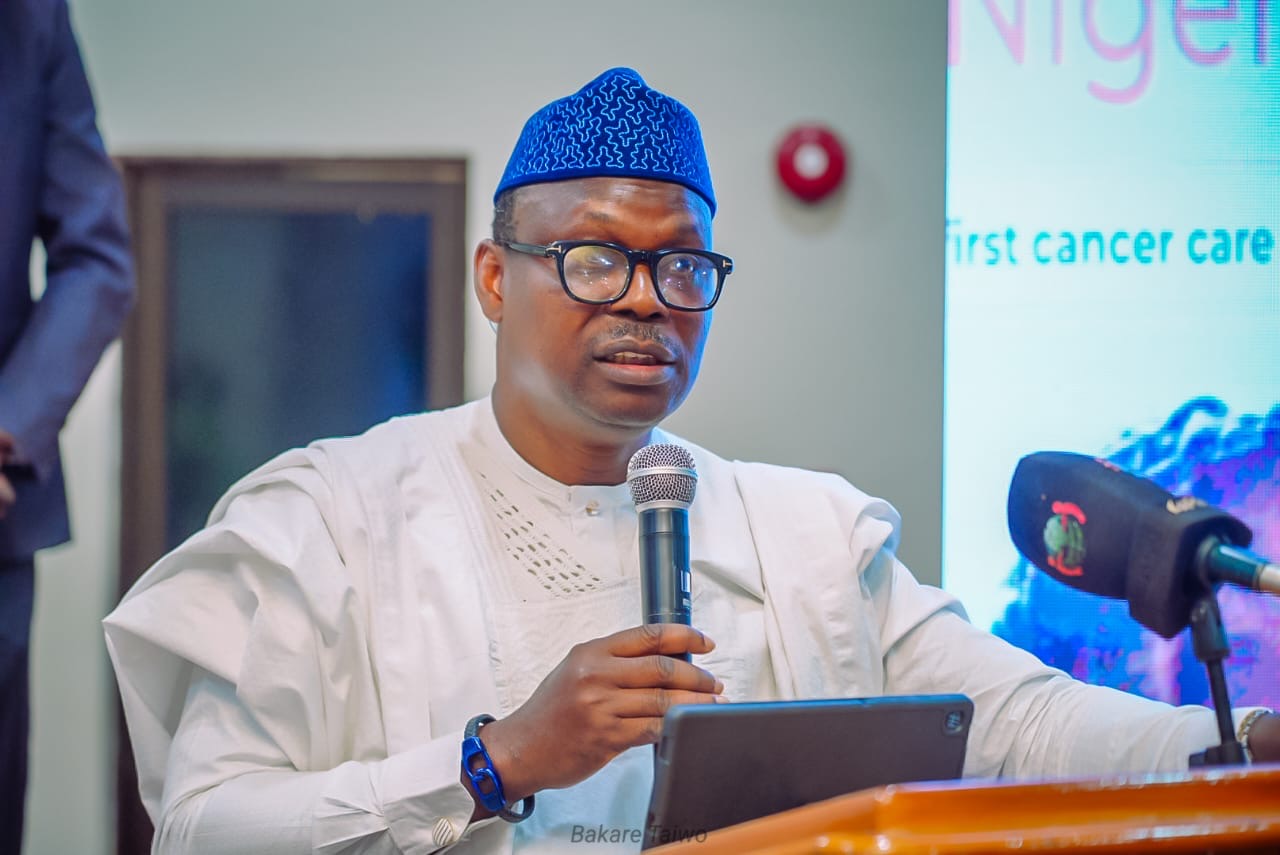

He insisted that Nigeria must change the way it handles energy infrastructure. The current method leaves systems without a sustainable plan for operation and maintenance.
“Sustainability must become part of the project from the first day, not an afterthought when equipment begins to fail,” Salako said.
Reliable Power for Health Facilities by 2027
Continuing on the need for reliable electricity in the health sector, Salako stated that the federal government aims for steady electricity supply in at least 30 percent of health facilities by the end of 2027.
This target is part of the Nigeria Power-for-Health Initiative, which President Bola Tinubu approved following the first National Stakeholders’ Dialogue on Power in the Health Sector in September 2025.
Salako mentioned that the dialogue led to a Compact for the Sustainable Electrification of Public and Private Health Facilities, along with an implementation plan to meet the 2027 target.
He emphasized the need for a long-term approach to electrifying healthcare facilities, rather than just focusing on installing power systems.
Salako noted that the government alone cannot finance the energy infrastructure needed across Nigeria's health system. This means private investment and partnerships are essential.




Drop your comment
No comments yet — be the first to drop the gist 👇