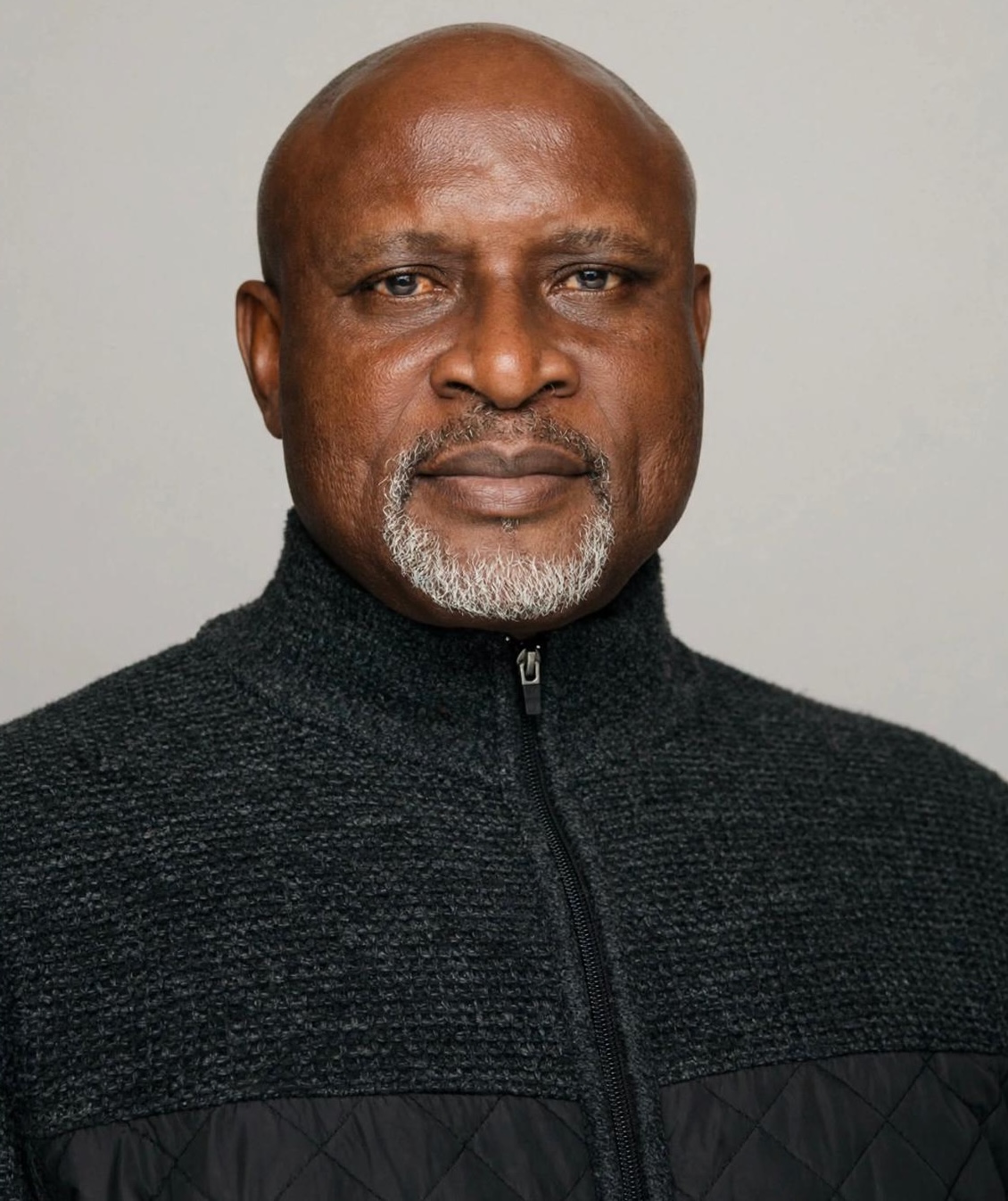
My Essex story started in November 1994. The British Council in Nigeria sponsored me through the Constitutional Rights Project (CRP) for a study tour. I visited human rights centres and civil society initiatives in the UK and Northern Ireland. One highlight was my time at the University of Essex, where I met the late Professor Kevin Boyle. He was known worldwide for his work in international human rights law.
I also spoke for 50 minutes with students in the MA in Human Rights and LLM in International Human Rights Law programs. I shared my experiences during a tough time in Nigeria’s history, the General Sani Abacha regime. In 1997, I returned to Essex for my LLM in International Human Rights Law. Since then, I have made at least six visits to the university to share my UN field experience with students and mentor them.
On 21 September, I returned for my seventh visit at the invitation of the Vice Chancellor. That day was split into two parts: a guided tour of Wivenhoe Park and participation in the Annual Meeting 2026.
We began our tour in the acid grasslands, a delicate ecosystem protected by environmental laws, where construction is not allowed. The acidic soil supports wildlife like ground-nesting lapwings, burrowing rabbits, and the rare muntjac deer. A full-time litter picker keeps the area clean, ensuring waste goes into bins placed around the park.
The trees at Wivenhoe Park are impressive. A giant sequoia, around 120 years old, was damaged in a storm in the 1980s. Its bark is now more of a visual attraction than usable wood. Interestingly, the UK has more redwoods than California today. This is thanks to Victorian botanists inspired by Prince Albert’s love for these trees. We also saw a common walnut tree with bark like animal skin. Nearby, a black mulberry tree had dark purple fruits, chosen by King James I to attract the white silk moth. The Japanese Daimyo oak bears fruit in just six years, while the medlar tree needs two seasons of decay before its fruit is edible. We also spotted a strawberry tree, grown for jam-making.
One of the most historical trees is the Cedar of Lebanon, planted in the 1750s when Wivenhoe House was built. Troops rested under its shade while preparing for D-Day in World War II. Although recent surveys say it is healthy, a branch fell off two months ago, reminding us of the need to protect it.
The oldest living organism on campus is an oak tree estimated to be over 850 years old. This gnarled tree predates both the university and structures like Colchester Castle. It existed before the Domesday Book was completed in the 11th century. Despite its age, the tree still grows leaves every spring. The guide said it has endured because it was left alone and not exploited.
We explored some architectural features that reflect the estate’s idea of quiet protection. The ha-ha wall is a low barrier that helps keep deer out while preserving the view. The ice house mound is still intact underground, waiting for funding to reveal its interior to visitors. The East Lodge is currently in disrepair but is protected as a listed building. Nest boxes for tawny owls and bats have been installed, with plans to attract peregrine falcons nearby, all supporting local wildlife efforts.
In the afternoon, we gathered in the Ivor Crewe Lecture Hall for the Annual Meeting. The University Secretary opened the session, welcoming guests in order of importance: Jennifer Tolhurst, His Majesty’s Lord-Lieutenant of Essex; Dr James Bettley JP DL FSA, Vice Lord-Lieutenant; Mrs Susannah Dutton, High Sheriff of Essex; Sir Bob Russell, High Steward of Colchester; Professor Pam Cox, MP for Colchester; the Right Reverend Roger Morris, Bishop of Colchester; and Lieutenant Colonel Ed Franklin, Garrison Commander, Colchester. The Secretary also thanked Mr Nicholas Charrington, who will take over as Lord-Lieutenant after Mrs Tolhurst retires on 2 December. The university expressed gratitude to Mrs Tolhurst for supporting its initiatives.
Chancellor Dr Sarah Perry spoke next, wearing glasses, a sign of humility and acceptance of aging. She remembered collecting the first conker of autumn, symbolising new beginnings for students returning to school after the long summer. She keeps three ceramic conkers on her desk as a reminder that each term is a fresh start. She paused to remember Pebbles, the beloved campus cat who died this summer after a long life. Pebbles, known for reading with students in the library, has been made into a bronze statue funded by the Students Union. Students touch its shiny nose for luck before exams, a symbol of the university’s spirit.
Dr Perry talked about the university’s work in AI, data ethics, medical technology, robotics, sustainable agriculture, and human rights. She said universities and billionaires must tackle these important issues. She ended with a quote from a Jewish scholar friend, taken from the Talmud: "Arguing for the sake of Heaven." She explained there are two types of arguments: one to prove I am right and you are wrong, and another searching for truth that leads to wisdom. This, she said, shows a university’s true purpose.
Vice Chancellor Professor Frances Bowen presented her first annual report, focusing on change. She listed four reasons why schools cannot stay the same: changes in government policies on visas and funding cuts; financial pressures causing almost half of UK universities to run at a loss, though Essex has cut costs by about 25 percent in two years; advances in AI changing research, teaching, and employer expectations; and students wanting more flexibility, value, and clear career paths.
She explained that renewal means making tough choices and wise investments. She announced the closure of the Southend campus after over 20 years, with its last classes held in late August. This bittersweet milestone affects 8,000 alumni, with 500 students moving to Colchester. She outlined a £6 million plan for campus growth in Colchester, which includes moving East 15 Acting School to the Hex, opening in October and January 2027. The dental suite will add space for 16 more students in addition to the 32 already enrolled. A £2.5 million Biostar lab will train future NHS scientists. Essex will also have the UK’s first ZeroG robotic rehabilitation system, worth £250,000, usually found in specialized places.
During the Question and Answer session, the Bishop of Colchester asked about the recent papal encyclical and how AI could be more human-like. A councilor raised concerns about the union strike happening that day and staff morale. The Vice Chancellor said it was the first day of strike action since November. She noted the university works with three unions and mentioned that many university jobs are being lost nationwide. She stressed that renewal efforts aim to secure the university’s future.
I then stood up to reflect on my journey as a former international student, 32 years after my first visit. I asked: "Madam Vice-Chancellor, as a former international student, I appreciate your vision for AI and your recognition of our alumni’s global impact. With a 25 percent funding cut over the last two years, how will you sustain our international reputation and enhance the student experience without putting extra financial pressure on current and future students?"
The Vice Chancellor, also a former international student, replied that international engagement is part of Essex’s identity. She explained that partnerships are growing across 11 countries with 22 partners. A strong global presence relies on networks and influence, not just student numbers.
The University Secretary thanked everyone, and the Chancellor invited attendees to a reception next door. She noted that the afternoon sun had been up for three hours by Essex Girl standards, as wine glasses appeared on tables for networking.
I took the direct 47-minute train from Colchester to London Liverpool Street, the same route I took in 1994. Some land is still protected as acid grassland, unfit for building due to environmental laws. Some trees may have lost their tops but can live for another 120 years. One oak has stood for over 850 years because no one tried to use it. Some fruits need decay to reach their full sweetness. And despite a 25 percent budget cut, some universities still teach us to argue for the sake of Heaven. I look forward to my eighth visit.



Drop your comment
No comments yet — be the first to drop the gist 👇