Nigeria will host the African Global Fashion Games in 2028. Countries from across Africa will compete in seven areas that highlight fashion design, craftsmanship, textile performance, and innovation.
The Confederation of African Fashion (CAFA) is promoting this event. They say the competition will unite designers, investors, and government officials. This will help showcase African creativity and find business opportunities in the fashion industry.
The Games will happen every three years, switching between African countries and international hosts. Each country will contribute to a shared creation called the World Cloth.
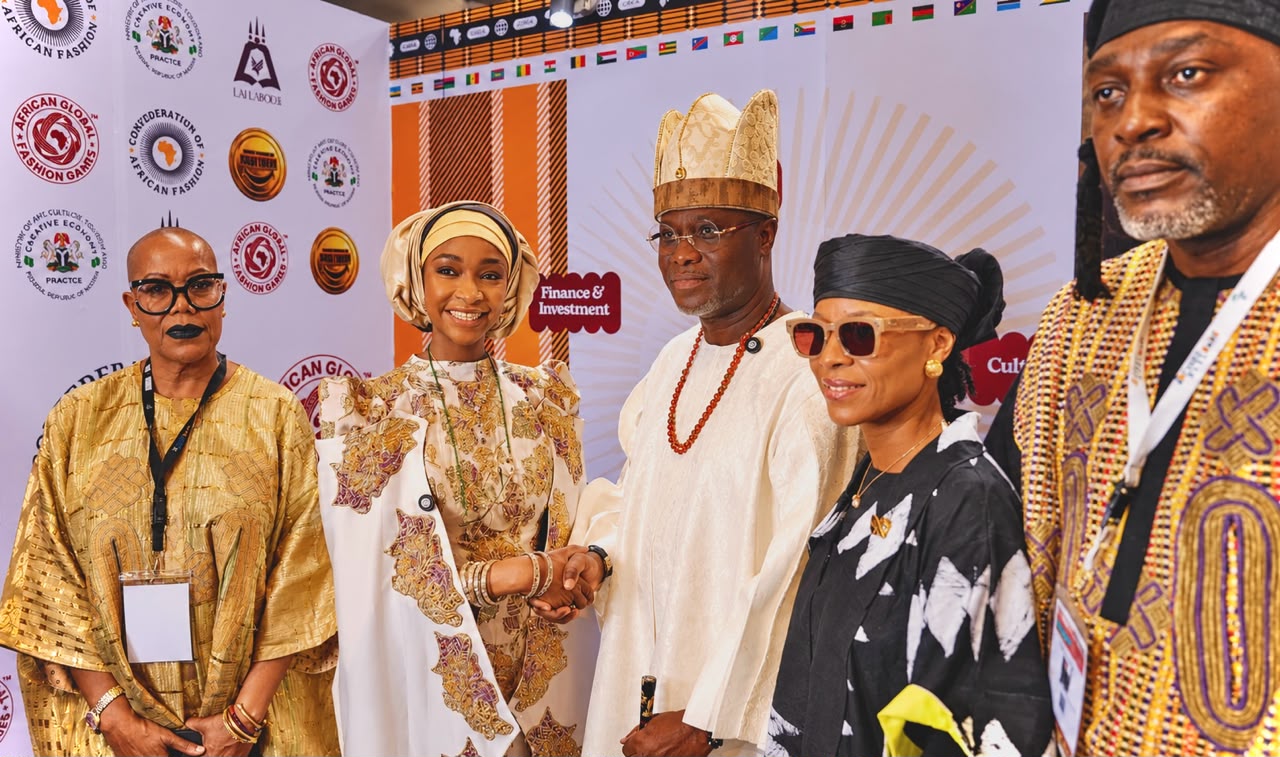
CAFA President, Aare Lai Labode, announced the plans on Thursday. This was during the first anniversary of the African Fashion Industry Growth Charter. The event took place at the Wole Soyinka Centre for Culture and Creative Arts in Lagos, during the 2026 Creative Africa Nexus (CANEX) Weekend.
The Games are part of CAFA's larger goal to improve Africa’s fashion and textile industries. They are working on policy reforms, boosting local manufacturing, attracting investment, and building international partnerships.
Mr Labode pointed out that Africa has great potential in fashion. But the continent loses a lot of economic value due to poor manufacturing infrastructure, lack of financing, and weak professional standards.
He mentioned that Africa’s fashion economy is around $60 billion, but it could reach $500 billion. Although 37 out of 54 African countries produce cotton, the continent only exports about $15.5 billion worth of textiles each year. In contrast, it imports $23.1 billion worth of textiles, clothing, and footwear, based on UNESCO’s 2023 figures.
“The world has never doubted Africa’s talent. It has simply never had to pay Africa for it. The Charter exists to change who gets paid,” Mr Labode said.
The 2028 Games are part of the African Fashion Industry Growth Charter. Nigeria signed this on 5 November 2025, becoming the first country to adopt the framework.
Hannatu Musa Musawa, the Minister of Art, Culture, Tourism, and the Creative Economy, stated that the Charter aims to give structure to change African fashion from cultural expression to a recognized economic sector.

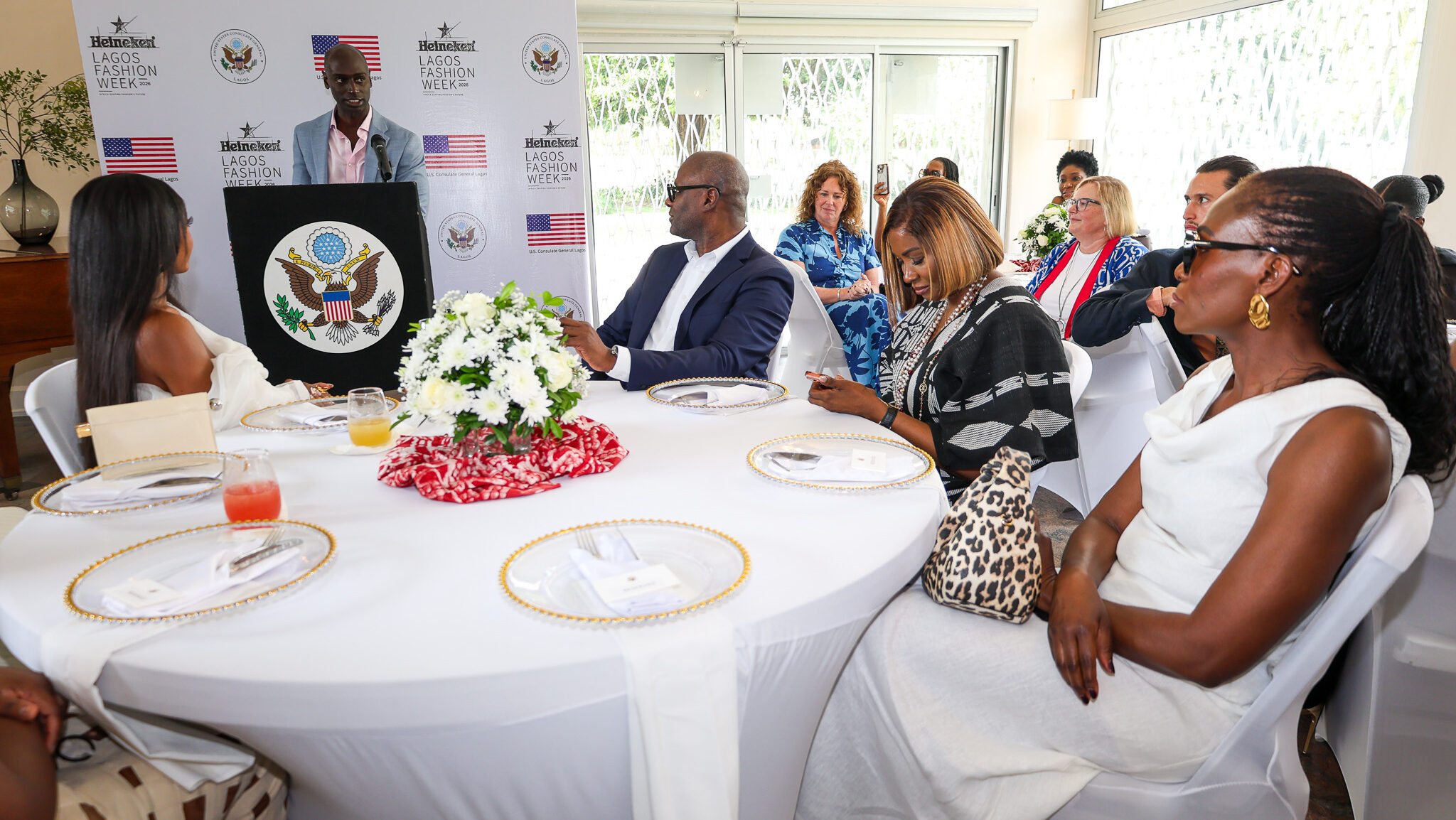

She noted that while African designers show their creativity worldwide, they lack common industry standards and the support needed to maximize the sector's economic potential.
“A signature only matters if something follows it,” the minister said, stressing the need to turn the agreement into jobs, investments, and better chances for fashion businesses.
CAFA revealed that Rwanda is moving forward to be the second country to formally join the Charter, and the first from East Africa. Talks are also ongoing with Liberia and Ghana. They are working with Nigeria’s Ministry of Foreign Affairs to get the African Union to adopt the framework.
This continental plan aims to set common standards for sourcing, production, certification, trade, and protecting intellectual property.
Besides the Games, CAFA is looking for partnerships with Austria and Turkey to create a central textile factory that will benefit African countries. Mr Labode said this factory would help with large-scale textile production, international distribution, skills development, and protecting the intellectual property of African designers.
He also said some major international textile companies are interested in this project. The organization is developing African Global Fashion Houses to give designers places to display and sell their products in international markets.
CAFA wants to work with the African Union Commission, the African Continental Free Trade Area (AfCFTA) Secretariat, and the African Export-Import Bank (Afreximbank) on policies, trade facilitation, and financing for textile and creative industry projects.
The organization plans to collaborate with regional economic communities, like the Economic Community of West African States and the East African Community, to encourage more countries to adopt the Charter.
CAFA believes the success of this initiative will be shown through increased African participation, local textile production, and keeping more economic value within the continent.




Drop your comment
No comments yet — be the first to drop the gist 👇