The security results from the third quarter of 2026 show how Nigeria's national security is changing. Coordination, prevention, intelligence, public trust, and community involvement are becoming more important.
Terrorism, banditry, kidnapping, illegal arms trade, drug trafficking, human trafficking, organized crime, cyber threats, and climate emergencies are all connected. This means we need to understand national security in a broader way.
Recent months have taught us a key lesson: no single agency can secure Nigeria alone. Good national security needs intelligence, military power, and police work. It also requires managing borders well, financial intelligence, being prepared for emergencies, communicating effectively, engaging communities, and strong collaboration among governments and citizens.
The actions taken by security agencies in July and August show this new approach.
In that time, the Armed Forces of Nigeria carried out 7,062 security operations across the country. They neutralized 1,487 terrorists and insurgents, arrested 354 suspects, and rescued 777 kidnapped victims. Troops also seized firearms, ammunition, and Improvised Explosive Devices, while working on dialogue, peacebuilding, and engaging with stakeholders.
These numbers matter. Each rescued hostage means a family reunited. Every intercepted weapon may prevent violent crime. Each criminal network dismantled gives communities a chance to heal.
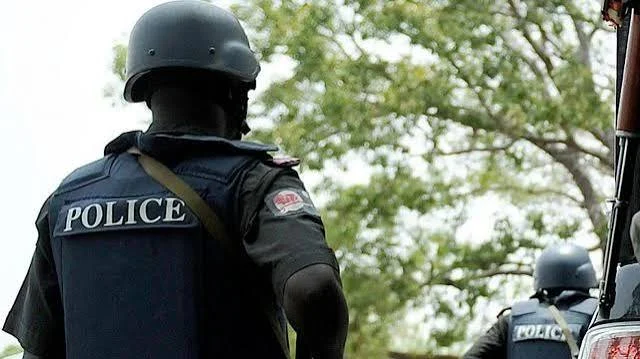
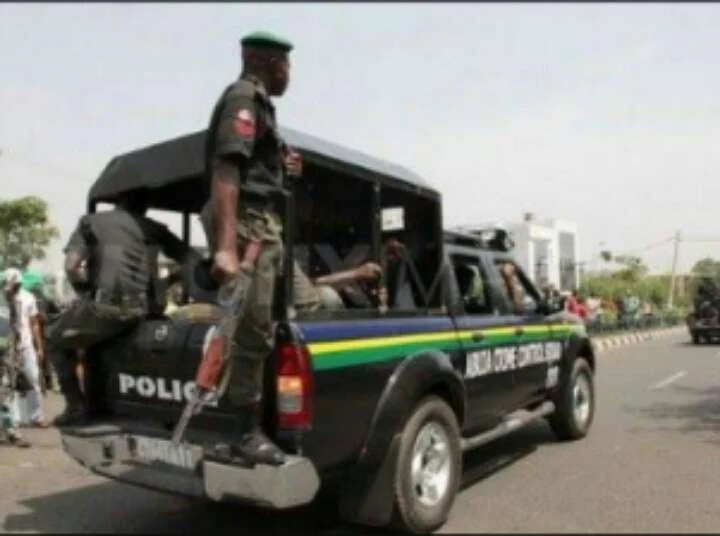
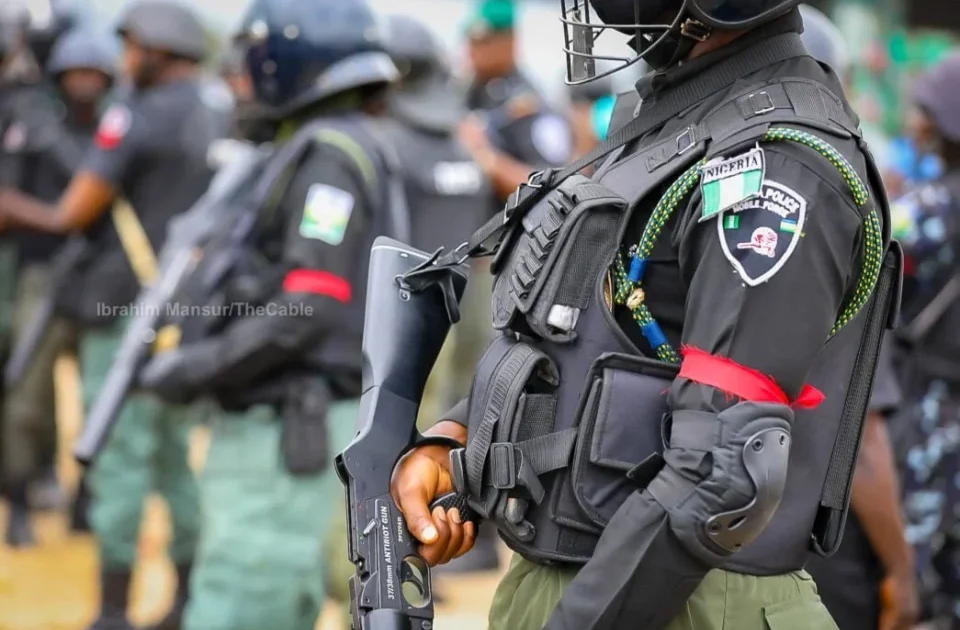
The Nigeria Police Force (NPF) also made significant progress. Intelligence-led operations led to the arrest of 1,334 suspects and the rescue of 383 kidnapped victims. Police recovered 175 firearms and over 3,790 rounds of ammunition while disrupting networks involved in kidnapping, armed robbery, cult activities, and gunrunning.
The Department of State Services (DSS) supported these efforts with intelligence-driven actions against arms trafficking, terrorism, and kidnapping. Their work disrupted illegal supply chains, helped rescue hostages, and led to convictions for serious security crimes.
These developments show why sharing intelligence and working together is key to our national security.
Tackling the Root Causes of Violence
Nigeria's security approach now recognizes the need to deal with the systems that enable violence.
One major issue is the spread of illegal small arms and light weapons.
On July 30, the National Centre for the Control of Small Arms and Light Weapons (NCCSALW), part of the National Security Adviser’s office, destroyed 1,419 illegal weapons. This brought the total destroyed by the Centre since 2022 to over 19,000. The Centre also received many obsolete and decommissioned weapons from security agencies.
An important example of cooperation happened in August when the Nigeria Customs Service (NCS) handed over 399 intercepted firearms and many firearm parts to the Centre. This cooperation shows how border control, intelligence, and arms-control agencies can work together in national security.
The National Drug Law Enforcement Agency (NDLEA) also contributed. From July to August, they conducted 2,298 targeted operations, arrested 3,705 suspects, secured 471 convictions, and seized nearly 54,000 kilograms of illegal drugs. They also froze accounts holding over ₦9.8 billion linked to cartel activities.
These actions are crucial because organized crime does not happen in isolation. Drug trafficking, arms trafficking, terrorism, kidnapping, money laundering, and human trafficking often rely on the same networks of criminals and their financiers.
That is why financial intelligence has become more important.
The Nigerian Financial Intelligence Unit (NFIU) is working closely with security and law enforcement agencies to find the money behind organized crime and terrorism. The idea is simple: criminals can hide their identities and change their methods, but they always need money to operate.
Following this money can uncover who is financing these crimes and help find their assets.
Security That Goes Beyond Fighting
National security also means protecting society from threats that might not look like traditional security issues.
The Nigeria Immigration Service works on border security, illegal migration, and trafficking. During this reporting period, the Service rescued trafficking victims, identified persons of interest, and dismantled a fraudulent crime syndicate.
The National Agency for the Prohibition of Trafficking in Persons (NAPTIP) stepped up operations against human trafficking and online exploitation, securing convictions and rescuing victims. The rise of social media, encrypted messaging apps, and fake job offers is worrying because they are used to recruit Nigerians into trafficking and cybercrime.
The security situation is changing, and our agencies are adjusting.
Climate-related emergencies add another challenge. In July and August, the National Emergency Management Agency (NEMA) stepped up flood response and early warning efforts. They provided relief to 24,625 households, which helps about 147,750 people.
NEMA also activated its National Emergency Operations Centre to better manage information and decision-making during floods.
This is part of national security too.
Severe floods can ruin livelihoods, displace communities, increase poverty, and create competition for scarce resources. Disaster preparedness is not just about helping people; it is an investment in national resilience.
Keeping People Safe on the Roads and from Fires
The Federal Road Safety Corps (FRSC) and Federal Fire Service (FFS) also help protect people from emergencies. Road accidents, fires, and other crises can take lives and destroy properties.
During this period, the Federal Fire Service responded to 426 incidents, saved 585 lives, and protected property worth about ₦108 billion. The FRSC focused on highway enforcement, rescue operations, and working with law enforcement agencies.
These efforts show that national security has a human side.
The Importance of Information
Another area where Nigeria needs to improve is in handling information.
Modern security operations happen both on the ground and in the information space. Terrorists and criminals understand how powerful narratives can be. Misinformation, fake videos, and lies can cause panic, create community tensions, complicate security work, and weaken trust in institutions.
This is why strategic communication should be a key part of security operations.
In July and August, Defence Headquarters issued 137 press releases and countered 13 misinformation items. The NDLEA released 27 statements, did 36 broadcasts, and tackled false information. The FRSC also responded to misinformation affecting their work.
These actions show that accurate information is a valuable national security asset.
As I have mentioned in discussions with the media and security stakeholders, we must find a balance between the public’s right to know and national security needs. Security agencies must communicate quickly and clearly. Journalists also have a duty to verify information and avoid spreading rumors that could raise tensions or put lives at risk.
Recent meetings with ONSA, security agencies, media leaders, and defense reporters have emphasized responsible reporting. We need news that is accurate and considers its impact on people and communities. There is also a need for professional training and timely access to reliable security information.
Strategic communication should not be about propaganda or silencing criticism. It should be about providing timely and credible information and engaging with citizens.
Public trust is vital. When there is no reliable information, people quickly fill the gap with rumors. Once trust in institutions is lost, even true information may be doubted.
Working Together for Security
The biggest lesson from recent security efforts is the need for teamwork.
The transfer of intercepted weapons from Customs to NCCSALW, collaboration between the NFIU and law enforcement, joint rescue efforts, coordination between NEMA and the Armed Forces, and partnerships with the NDLEA and international agencies show that working in silos is not enough for today’s security issues.
Teamwork must also include those outside the government.
Traditional leaders, religious figures, journalists, civil society, businesses, academics, tech companies, youth, and community groups all play important roles in strengthening national security. Security today needs this wider community approach.
Communities are crucial. They often know first about suspicious activities, rising tensions, or criminal recruitment. Building trust between citizens and security agencies helps improve intelligence and allows for earlier action.
This is why engaging civil society is key to national security policy. These organizations can provide early warnings, foster dialogue, enhance accountability, and connect institutions with communities that might feel left out.
A community-based approach does not lessen the government's responsibility for security. It shows that the government does better when institutions work together, and citizens feel empowered to help.
The goal is to create a national security system that is proactive and responsive, driven by intelligence, coordinated, and focused on people rather than just institutions.
There will be tough times and setbacks. We cannot measure national security only by successes. We must also learn from failures, prepare for new threats, protect vulnerable communities, and keep improving safety institutions.
The evidence from our security agencies shows they have capacity, courage, and resilience.
Our job is to strengthen that capacity, improve teamwork, communicate better, and deepen the relationship between the government and citizens.
Security is not just something the government gives to society. It is something we all build together.
This shared responsibility could be one of Nigeria’s biggest strengths in security.

Drop your comment
No comments yet — be the first to drop the gist 👇