Before USAID left Nigeria's development and humanitarian scene in January 2025, it was the biggest international funder in the country. It was bigger than all other funders, including the European Union. USAID called Nigeria "the single most important strategic partner for the United States in Africa." The money USAID gave to Nigeria rose from US$90 million in 2002 to US$942,178,693 in 2024. From 2015 to 2024, the health and humanitarian sectors in Nigeria received most of USAID's funding. USAID spent $2.54 billion on Nigeria's humanitarian sector from 2020 to 2024 and over $2.8 billion on the health sector to fight diseases like HIV/AIDS, malaria, and tuberculosis. In education, USAID gave $75 million between 2014 and 2017. Its support for education remained below US$50 million yearly from 2002 to 2024, with a big jump in 2023.
As a strategic partner, the USAID Nigeria Mission started a new policy in 2020. This policy aimed to support local Nigerian civil society organizations more. Before its exit in January 2025, the Mission planned to give 25 percent of its funding directly to local organizations and to shift 50 percent of its program control to local groups by 2030.
After USAID's exit, experts began looking at how this would affect Nigeria's development and humanitarian work. They also studied how Nigerian NGOs would cope and adapt. The MacArthur Foundation is leading discussions on how civil society organizations can stay strong. The Aid Report, backed by the Gates Foundation, is tracking the losses and gaps in Nigeria's third sector. Recently, on June 9, European Union think tanks, including katholischer Deutscher Frauenbund and misereor Gmeinsam Global Gerecht, held a webinar. They discussed "The Dangerous Gap: The Impact of Global Neglect of Women’s Health," focusing on Nigeria.
The announcement of two major funding opportunities for development work in Nigeria brought hope to many NGOs. Thousands of Nigerian CSOs came together, held meetings, formed groups, and planned how to showcase their work to the new funders. The two new funds, Levers for Change and Project Resource Optimisation (PRO), used different methods to choose partners for funding in Nigeria.
Levers for Change launched a global call for applications in 2024. This was called Action for Women’s Health and had a US$250,000 investment from Pivotal, an organization started by Melinda French Gates. Meanwhile, PRO used a matchmaking approach to connect programs losing USAID funding with private donors. Levers focused on maternal health while PRO looked to fund cost-effective health and humanitarian programs that lost USAID support.
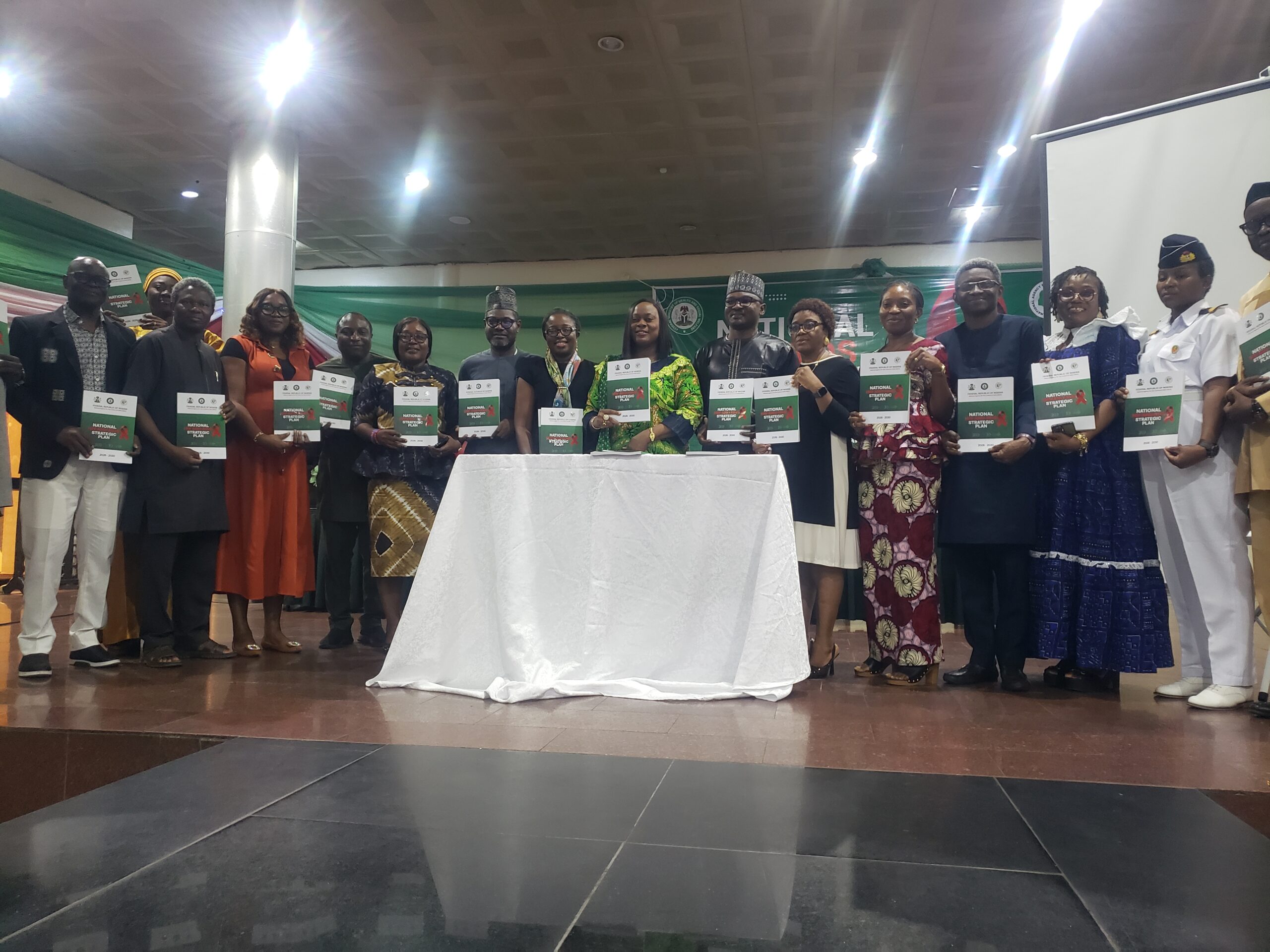
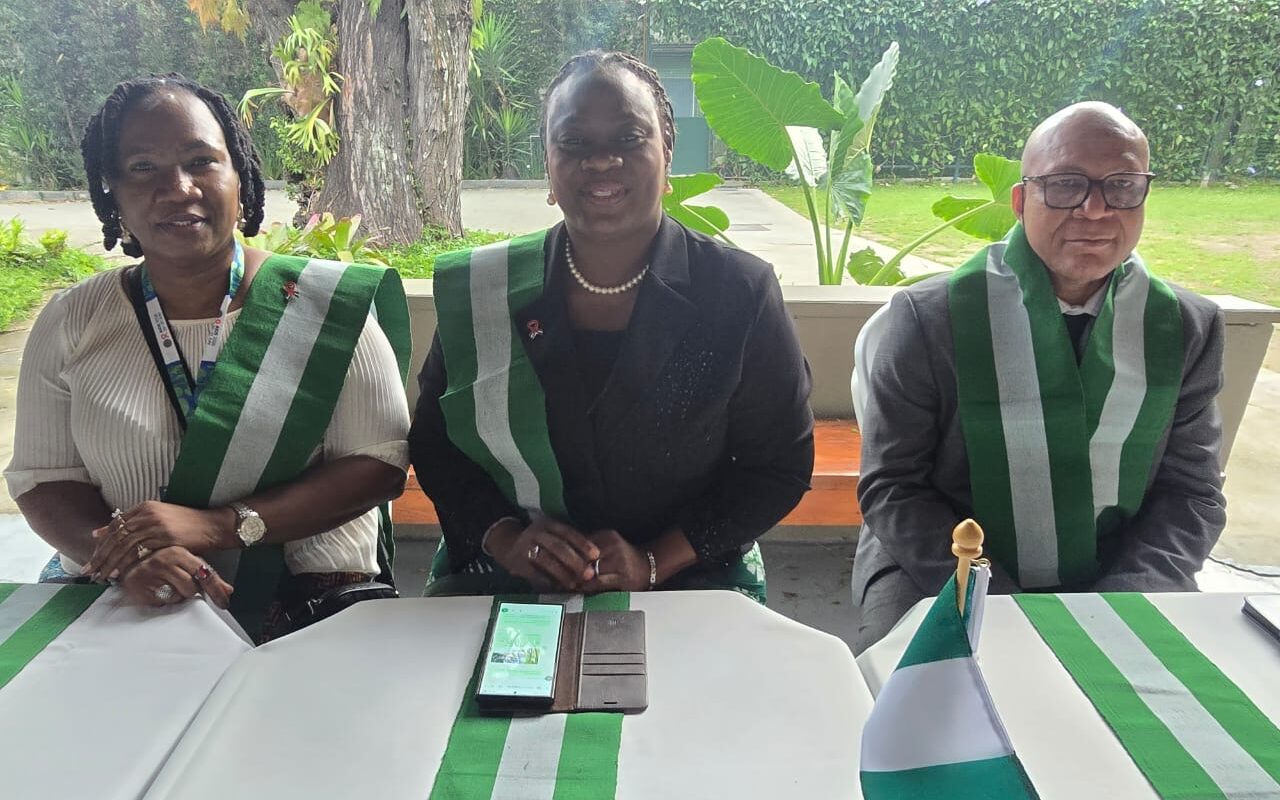
On November 12, 2025, Levers announced 83 organizations that would receive awards. Eight of these were working on women’s health in Nigeria. They are (1) Lifebox, (2) MMV Medicines for Malaria Venture, (3) GEANCO Foundation, (4) Direct Relief, (5) We Care Solar, (6) International Rescue Committee, (7) Clinton Health Access Initiative (CHAI), and (8) Tiko (Triggerise South Africa NPC). All the grantees are global organizations, and none are Nigerian CSOs. The grants that included Nigeria were multi-country grants covering an average of eight countries. Some grants, like the one for CHAII, covered 16 countries, including Nigeria, while Direct Relief included 15 countries. Only one grantee, GEANCO Foundation, aimed to focus solely on Nigeria.
PRO, which described its grant-making as rolling, gave $25,070,778 for humanitarian programs between 2025 and 2026. All the grantees were global organizations, and no Nigerian CSO received funding. The PRO grant review process did not require partnerships with local organizations.
The results of these funding awards show a new trend where multi-country grants are less linked to local involvement. This could mean that safer choices in selecting partners do not lead to the most impactful or sustainable outcomes. Despite these setbacks for Nigerian CSOs, some partners like the Norwegian Refugee Council and the EU CSO-BRIDGE project, run by International IDEAS, are still helping local organizations strengthen their capacity. Also, development partners like Ford, MacArthur Foundation, and OSF are working together to support local CSOs for resilience and sustainability in this new world after USAID. Evidence from these localization efforts will likely attract more resources to this important but under-funded area of development.


Drop your comment
No comments yet — be the first to drop the gist 👇