A Common Framework for Protecting National Assets
On 12 October, Nigeria launched the Standard Operating Procedure (SOP) for Government Security and Intelligence Agencies and other stakeholders. This gives Nigeria a clear way to protect its oil and gas assets. It links security to economic recovery, environmental safety, and public accountability. Operators and stakeholders must turn these rules into clear responsibilities, reliable public information, and active community involvement.
The NSA’s Message on Coordination and Implementation
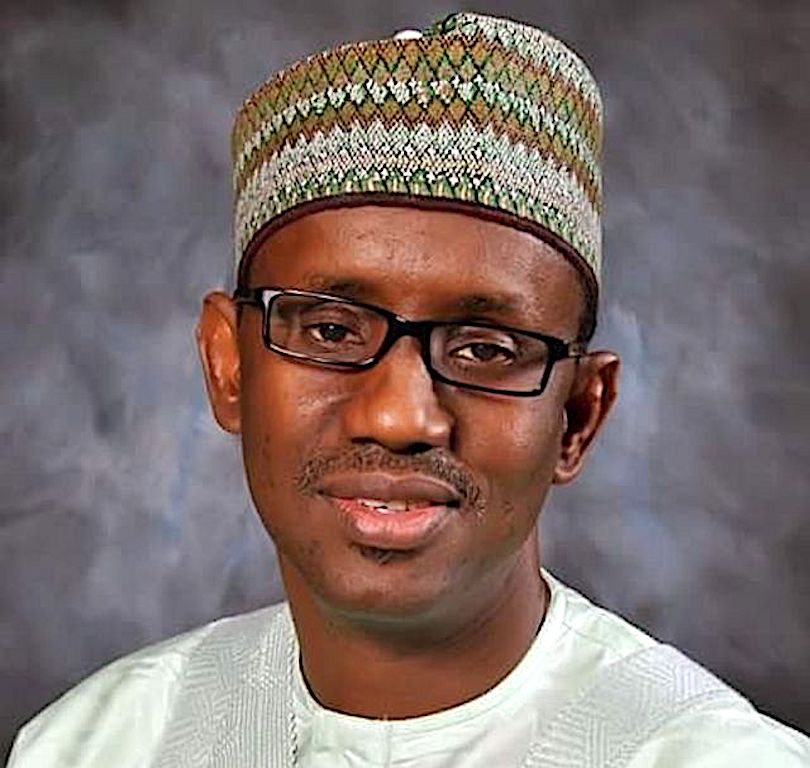
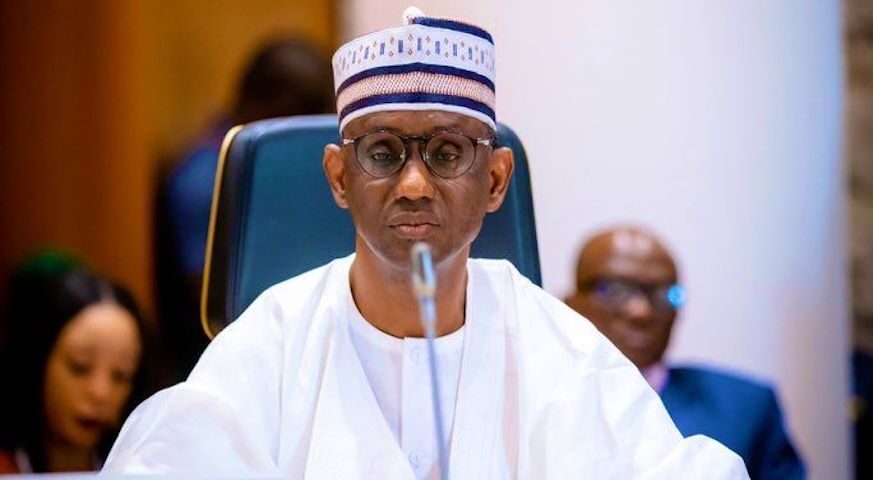
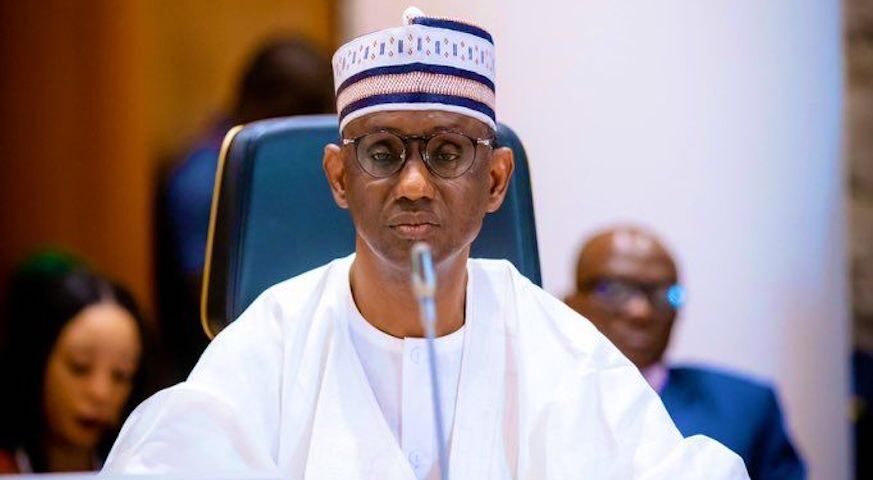
National Security Adviser, Nuhu Ribadu, highlighted these priorities in his speech. He called crude oil theft, pipeline vandalism, and illegal refining serious threats to production, the environment, and national security. He stressed that real progress needs unity, clear roles, and discipline. The SOP offers a practical way to reduce conflicts between institutions and build on the successes from teamwork across government and industry.
Ribadu said that how well the SOP is put into action is the true test. He urged agencies, operators, and partners to share the SOP details with their teams, field workers, and other relevant personnel. His call for professionalism, sharing information, respecting roles, and following the law sets the standards for measuring success. Everyone involved must know what is required, and leaders must guide daily actions.
Defence Leadership on Clear Roles and Operational Order
The Minister of Defence, General Christopher Musa (rtd), supported the initiative, calling the launch “another milestone” and “a step in the right direction.” His words show the need for a common operational guide for all involved groups. Protecting oil facilities needs ongoing teamwork among defence, intelligence, law enforcement, operators, regulators, and communities.
General Olufemi Oluyede, Chief of Defence Staff, shared the importance of this guide. He said, “Every agency understanding what to do, how to go about it, and when to do it, aligning with its boundaries, ultimately brings about orderliness.” His words highlight the SOP's goal: helping institutions work together while respecting their individual roles.
NNPC Limited on Production Gains and Institutional Alignment
Mr Bashir Bayo Ojulari, Group Chief Executive Officer of NNPC Limited, linked security to national income, investor trust, continuous operations, and community welfare. He reminded everyone that before the new system, production had dropped to about 950,000 barrels per day in August 2022 due to pipeline issues and big gaps between what was sent and received.
Ojulari mentioned that more than 10,000 illegal refining sites had been shut down, nearly 7,000 illegal connections removed, over 2.4 million barrels of stolen crude recovered, and more than 3,700 suspects arrested. He also said production has risen above 1.7 million barrels per day with better trunkline availability. These numbers show the successes from teamwork and the need for reliable reporting that separates arrests from prosecutions.
While supporting the SOP, Ojulari suggested a 60-day period for stakeholders to refine some rules and ensure everyone is on the same page. He noted that company responsibilities will go through established approval processes, including Board review if needed. This suggestion fits with the SOP's review system, where changes go through the Office of the National Security Adviser (ONSA) and involve relevant stakeholders.
NSCDC on Discipline and Accountability
The Commandant-General of the Nigeria Security and Civil Defence Corps, Ahmed Audi, stressed the corps’ duty to protect oil and gas assets. He revealed that several officers found guilty of misconduct in the Niger Delta have been dismissed. His comments highlight the need for discipline: public trust relies on the behavior of those tasked with safeguarding national resources.
Private Surveillance Partners on Technology and Knowledge Sharing
Private security contractors also play a key role in this plan. Captain Warredi Enisuoh, Executive Director of Operations and Technical at Tantita Security Services Nigeria Limited, said the manual should reach beyond just those directly involved. He suggested sharing it with schools to educate future generations on protecting infrastructure and the responsibilities that come with it.
Enisuoh pointed out that the operational successes mentioned at the launch happened even before the manual was ready. He believes the SOP will help further improvements. He also mentioned that Tantita's command and control center can monitor areas beyond Nigeria’s exclusive economic zone. He promised to use this ability to aid implementation and share info with Nigerian security forces.
Institutional Mandates and Supervision of Contractors
The SOP gives real meaning to these commitments. It protects the rights and duties of participating institutions under the Constitution and their founding laws. Contractors provide surveillance, intelligence, community engagement, and technology while being supervised by government security forces. Their operations must work together with government agencies, allowing them to contribute while keeping public authority over enforcement.
Arrest Procedures and Protection of Suspects’ Rights
The SOP covers not just those stealing oil but also those involved in storing, moving, marketing, financing, and covering up such crimes. Effective enforcement must look into the networks behind these thefts. Arrest procedures must include verification, documentation, and reporting through the Command-and-Control Centre. Contractors must hand over arrested individuals or goods to proper government authorities as soon as possible.
Records of evidence, witness statements, and physical or digital proof support investigations and prosecutions. Importantly, the SOP recognizes the rights of those arrested, including freedom from torture, the right to know the reasons for their arrest, the right to remain silent, access to legal help, and humane treatment. These protections boost lawful enforcement and the trustworthiness of investigations.
Coordinated Patrols and Responsible Use of Surveillance Technology
The document sets rules for night patrols, pipeline movement, and drone use. Joint planning and operational briefings help clear up confusion, while drone operations need the right permissions, safe flight procedures, and coordination with aviation and security bodies. Proper handling of data, equipment controls, and training ensure that technology is used responsibly.
Recovery and Evacuation of Petroleum Products
The SOP lays out procedures for moving recovered crude oil and refined products. ONSA is in charge of coordination and oversight, while relevant agencies handle security and regulators focus on verification. Environmental authorities ensure compliance. Final checks compare what is delivered with recorded amounts and quality during recovery, while reporting and legal oversight support lawful forfeiture and accountability.
NFIU on Compliance and Measurable Outcomes
Hafsat Bakari, CEO of the Nigerian Financial Intelligence Unit, called the framework a technical and compliance milestone. She asked for a legal and monitoring system, backed by feedback mechanisms to assess how well the plan is working and fill any gaps. Her focus on results supports the NSA’s message that the plan must lead to real improvements.
Public Communication and Community Participation
Good communication and community involvement will help keep the plan going. The SOP assigns media coverage of arrested vessels to certain government bodies and NNPC Limited to ensure accurate information. Operators and contractors need to engage with communities. Clear communication, responsible partnerships with civil society, and chances for people to voice concerns can boost cooperation and protect investigations.
Implementation should mix training with oversight and ongoing cooperation from the industry. Monitoring should keep track of infrastructure reliability, environmental compliance, prosecution results, and lawful behavior. Feedback from staff and communities can help spot gaps that need fixing. Institutions involved should explain their roles and share verified progress.
Sustaining Cooperation for Security and Economic Recovery
The NSA’s final message gives hope for lasting cooperation. Ribadu thanked all stakeholders and expressed his belief that together, they can strengthen Nigeria’s oil and gas security and boost production, protect the environment, and support economic recovery. Guided by professionalism, information sharing, and respect for roles, the SOP provides a strong base for securing these gains for all Nigerians.

Drop your comment
No comments yet — be the first to drop the gist 👇