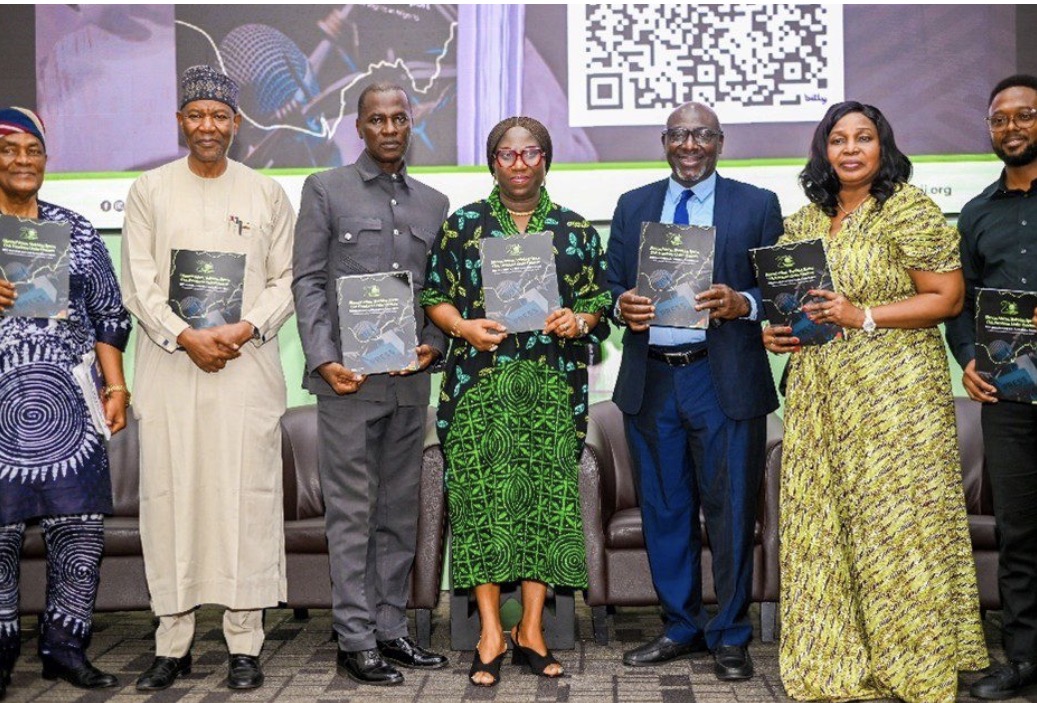
Nigeria recorded 245 cases of civic space violations in 2025. State actors were involved in 219 of these cases, according to a new report by the Wole Soyinka Centre for Investigative Journalism (WSCIJ).
The report is titled ‘Silenced Voices, Shrinking Space: Civic Freedoms Under Pressure.’ It noted that these incidents were tracked by monitoring reports from 54 media organisations from January to December 2025.
The incidents appeared in 570 media reports. This information comes from the fourth edition of WSCIJ’s ongoing documentation of civic space in Nigeria.
“Data was collected through continuous monitoring of reports on civic space violations across physical and digital spaces. Every incident was verified through cross-checking with multiple credible sources before inclusion in the dataset. Where additional context was required, Key Informant Interviews (KIIs) were conducted.
“To avoid duplication, incidents reported by multiple media organisations were counted as a single verified incident. Overall, the report analysed 245 verified incidents referenced in reports published by 54 media organisations,” the report said.
The report explained that the media outlets monitored included a mix of national, regional, and specialized news organizations. This included 16 newspapers with print and online editors, 26 online-only news platforms, 10 television stations, and two radio stations.
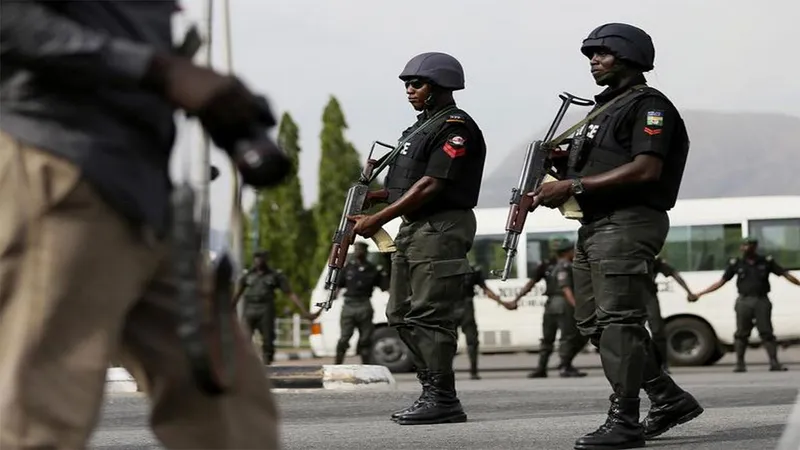
The findings showed that Nigeria’s civic space is under serious pressure, despite the country’s democratic setup and constitution that promises fundamental rights. The Nigeria Police Force was involved in 118 of the 219 incidents that included state actors.
Citizens increasingly affected
The report highlighted a worrying trend. There was a sharp rise in incidents affecting ordinary citizens. Restrictions are moving beyond newsrooms to limit public participation, dissent, and democratic engagement.
While physical attacks are still a major issue, they are not the only restrictions noted in the report. It found 145 incidents, making up 59.2 percent of the total, involved non-violent administrative, legal, and institutional measures. State actors were behind 89.4 percent of these documented incidents, with police involved in more than half of the cases.
“An analysis of non-violent incidents revealed that arrests were the most common form of infringement, accounting for 49 cases (33.79%) of all documented non-violent violations. Detention was also a significant form of non-violent violations, with 21 incidents (14.48%) recorded. Harassment made up 15 incidents (10.34%) of all non-violent violations, with one case linked to regulatory sanctions from the National Broadcasting Commission,” the report stated.
Lekan Otufodunrin, the Executive Director of the Media Career Development Network, reviewed the report during its presentation. He pointed out that Abuja and Lagos were major hotspots for civic space violations. He said the findings show ongoing challenges for journalism and civic participation in Nigeria, even with democratic governance.
The report was reviewed before its public presentation by a panel that included Ernest Ereke, Professor of Political Economy and Development Studies at the University of Abuja; Austin Iwar, a retired Assistant Inspector-General of Police; Lekan Otufodunrin; Juliana Francis, Publisher of Security News Alert; Theophilus Abbah, Executive Director of Daily Trust Foundation; Victoria Ibezim-Ohaeri, Executive Director of Spaces for Change; and Motunrayo Alaka, Executive Director and CEO of WSCIJ.
Journalists face difficult working conditions
The findings sparked a discussion at a stakeholder dialogue after the presentation. Participants voiced concerns about the safety and working conditions of journalists in Nigeria. They said journalists face threats from state actors, politicians, and party agents.
They also talked about the role of media organizations and professional bodies. They noted that financial dependence and fragmentation can leave them unable to adequately respond to threats against journalists.
According to the WSCIJ account of the discussion, panellists highlighted poor working conditions, including low pay and lack of full-time jobs, as problems for journalists. They said these issues could lead to a culture of silence and survival, sometimes driving journalists towards unethical practices.
The panellists called for stronger advocacy for better legal protections for journalists and more efforts by media bodies to hold employers accountable for poor treatment of journalists. Motunrayo Alaka, WSCIJ’s Executive Director and CEO, said the centre monitors civic space because investigative journalism can only thrive when citizens and the media can operate without fear.
This report is the latest from WSCIJ on civic space in Nigeria. It builds on earlier editions, including Hushed Voices and the Media’s Defence of Civic Space (2012, 2022), Hushed Voices in an Election Year (2023), and Shrinking Freedoms (2024).
Drop your comment
No comments yet — be the first to drop the gist 👇