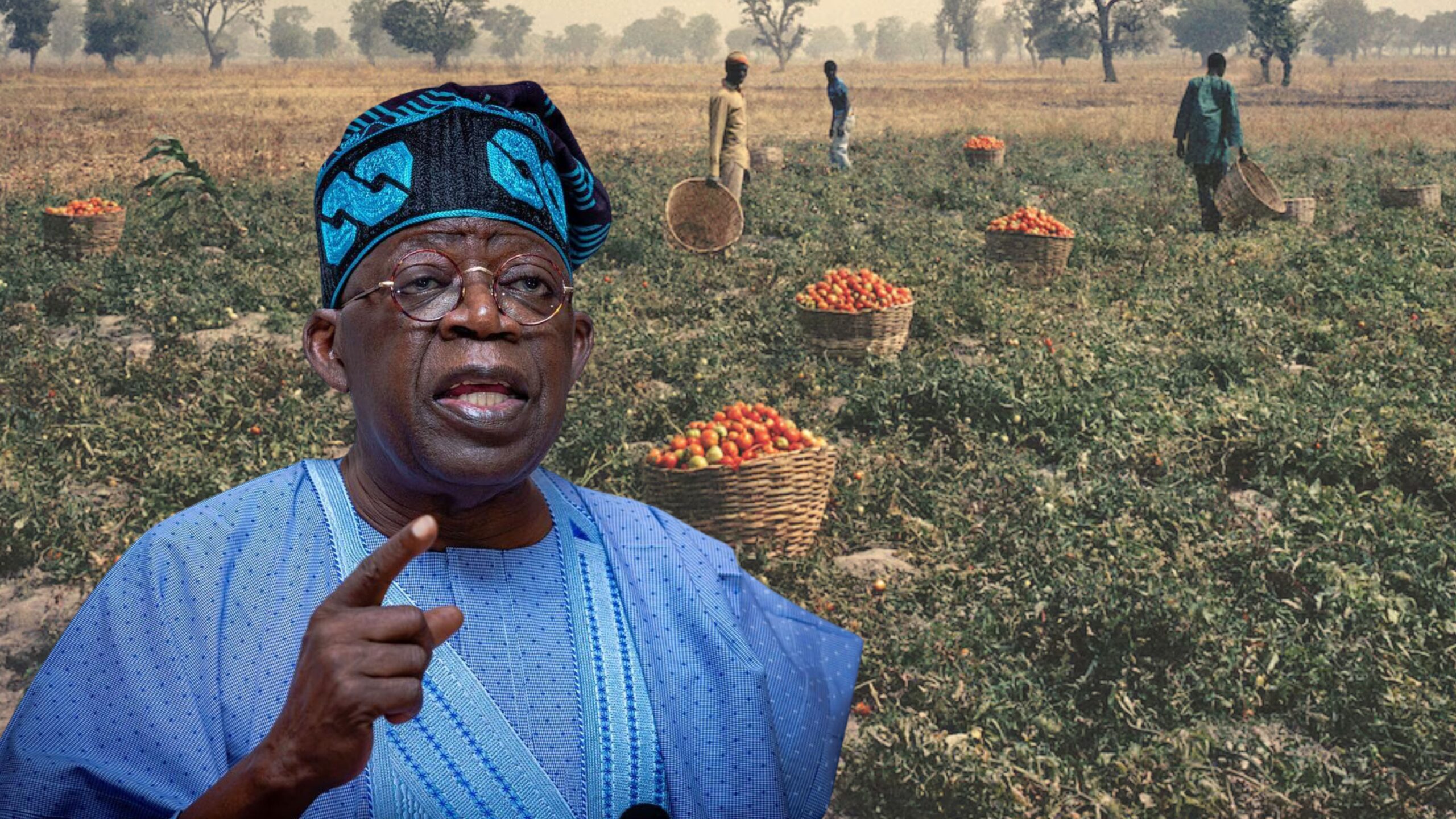
President Bola Tinubu has announced that Nigeria has secured over 449,000 metric tonnes of fertiliser inputs. This is about nine million bags that will support farming and improve food security across the nation.
The president shared this news in a statement on his official X account on Thursday. He said this is part of his administration's efforts to ensure Nigeria is food-secure.
“As of May 2026, more than 449,000 metric tonnes of fertiliser inputs, equivalent to about nine million bags, had been secured, with 10 vessels discharged or in transit,” Mr Tinubu said.
He remembered that when he took office, his government made food security a key part of its Renewed Hope Agenda.
“We promised to support our farmers, strengthen local production, reduce dependence on imports, and build an agricultural system strong enough to withstand shocks from beyond our borders.
“That promise is being kept,” he said.
Fertiliser procurement issues
Nigeria has faced many challenges in getting fertiliser. Rising costs of materials, supply chain issues, and product diversion have made it hard for smallholder farmers to access fertiliser. These farmers produce a large part of Nigeria’s food.
To tackle these problems, the past administration under Muhammadu Buhari formed partnerships with Morocco in 2016 and with Russia in 2019. This was part of the Presidential Fertiliser Initiative (PFI), which is handled by the Nigeria Sovereign Investment Authority (NSIA).
The initiative started with a Memorandum of Understanding to revive inactive fertiliser blending plants and import cheaper phosphate from Morocco. In 2021, the partnership grew into a $1.3 billion project to support local production of ammonia and fertilisers.
This arrangement increased the supply of materials to blending plants, raised local production levels, and lowered fertiliser prices. But issues like product diversion and sabotage continued to limit access for farmers.
Experts say that the lack of fertiliser has led to lower agricultural yields, higher food prices, and worse food insecurity.
Nigeria’s food system has been under pressure because of repeated flooding, insecurity in farming areas, higher transport costs after the removal of fuel subsidies, and other structural problems.
According to the United Nations World Food Programme (WFP), around 35 million Nigerians are expected to face serious food insecurity during the 2026 lean season.
Global supply chain issues
Mr Tinubu mentioned that global supply chain problems and rising costs of fertiliser inputs, worsened by conflicts in the Middle East, put countries relying on imported raw materials at risk.

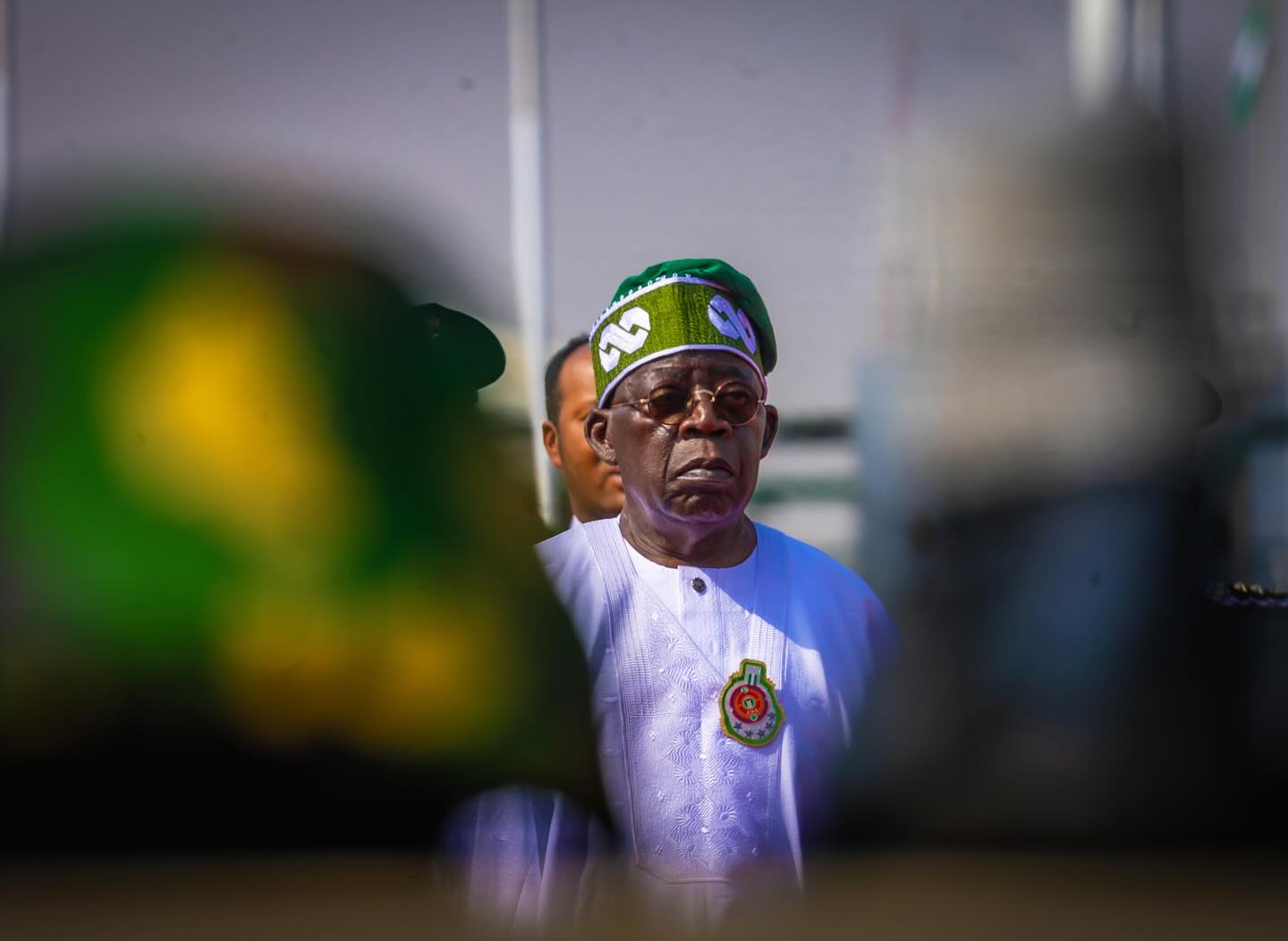
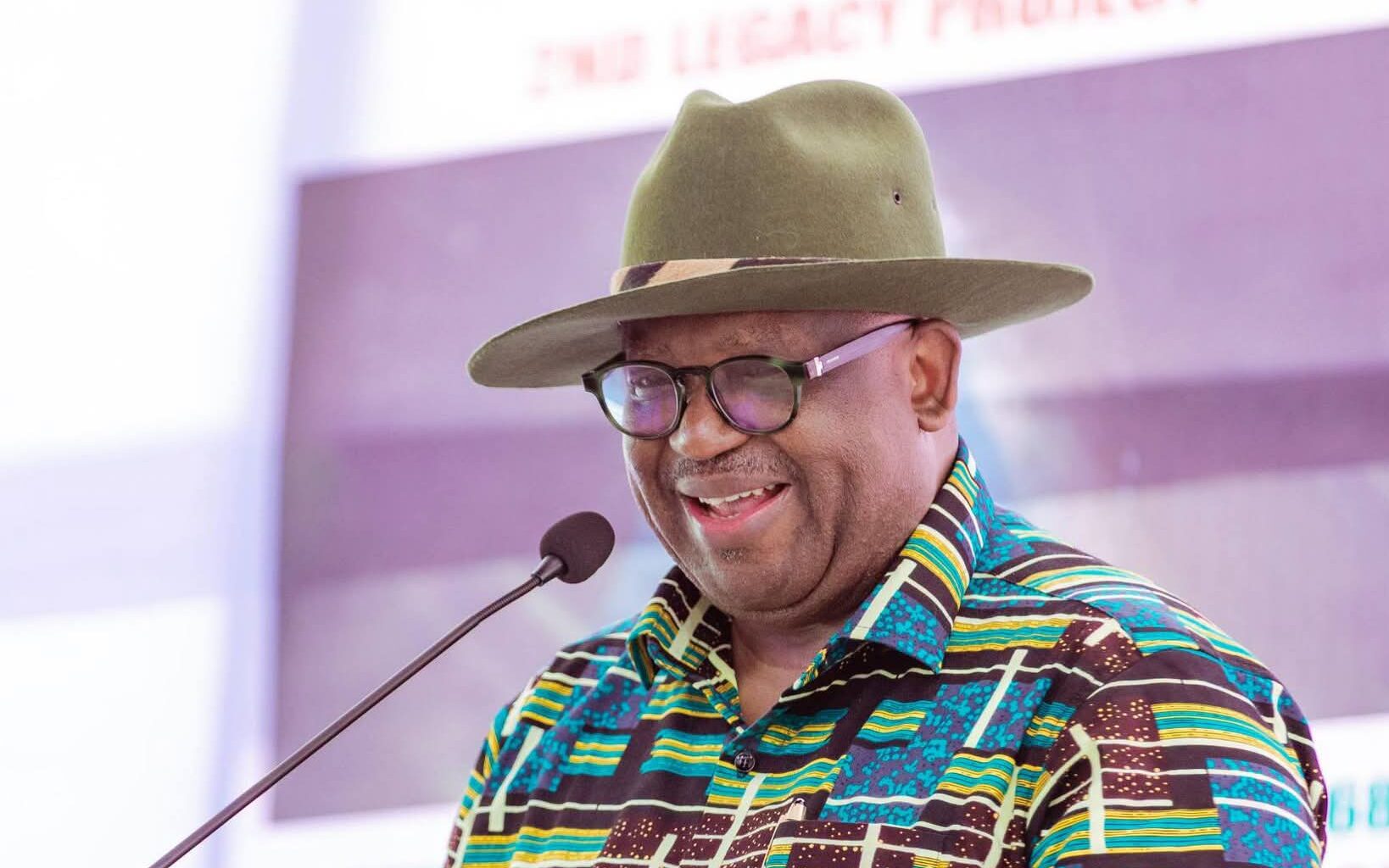
For Nigeria, these risks could lead to fertiliser shortages, increased costs, less productivity, and higher food prices.
“I am pleased to inform you that we moved early,” the president said.
He explained that through the Presidential Fertiliser Initiative, now restructured under the Ministry of Finance Incorporated (MOFI), the government improved procurement systems, secured essential raw materials, signed contracts, and enhanced coordination in the fertiliser value chain.
He said these actions helped protect Nigeria’s fertiliser blending industry from severe global market disruptions.
Mr Tinubu also said the government is on track to deliver a 1.1 million metric tonne fertiliser programme in 2026, which is around 22 million bags. He added that smart contracting for key materials saved N61.58 billion in 2026 alone, helping keep fertiliser prices affordable for farmers.
Supporting farmers
The president pointed out that Nigeria has over 90 operational fertiliser blending plants, giving the country the largest blending capacity in Sub-Saharan Africa.
“This capacity means jobs, local production, industrial growth and greater resilience for our food system,” he said.
Mr Tinubu stressed that securing fertiliser inputs and keeping production capacity high would only work if the products reach farmers on time.
To fix this, he said the government started the Renewed Hope Farm Input Support Programme (RH-FISP) through the National Agricultural Development Fund (NADF).
Under this programme, 515,720 bags of locally produced fertiliser are being distributed to 128,930 smallholder farmers in 25 states and the Federal Capital Territory during this planting season.
The NADF is also promoting modern farming methods through digital extension services, clear fertiliser application guidelines, and targeted help for key crops like rice, maize, cassava, and soybean.
“Our administration will not stop working to protect farmers, improve productivity, strengthen the agricultural value chain, support local industries, and ease pressure on food prices over time,” Mr Tinubu said.
“This is the meaning of promise made, promise kept. We will keep taking practical steps to strengthen Nigerian agriculture and protect food security for every Nigerian.

Drop your comment
No comments yet — be the first to drop the gist 👇