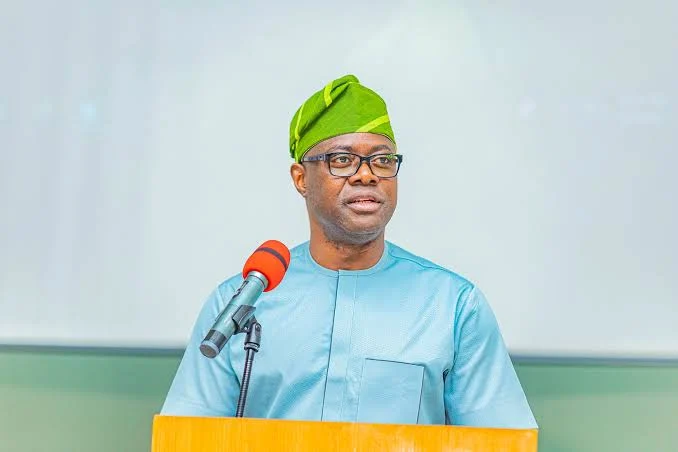
Oyo State Governor, Seyi Makinde, has slammed the Federal Government’s economic changes. He believes that rising poverty shows that leadership should be judged by how it affects citizens, not just by economic numbers.
Makinde said one presidential term is enough for Nigerians to see a leader’s priorities. They can then decide if that leader deserves another chance.
He made these comments in a newsletter released on Thursday. He compared his approach to governance in Oyo State with how the Federal Government handles the economy under President Bola Tinubu.
Makinde knows that removing the petrol subsidy and changing the foreign exchange system have economic reasons. But he insists that we must also think about how these changes affect ordinary Nigerians.
“Policies tell you what a government wants to change. The order in which it chooses to make those changes tells you how that government thinks,” Makinde said.
He added, “There are never enough resources for government to meet every need at once. So, leadership is about what you choose to do first, what you are prepared to postpone, and who bears the cost of those choices.”
The governor explained that since taking office in 2019, his administration focused on paying workers’ salaries, pensions, and clearing old gratuity debts while also developing infrastructure.
He said the state’s development plan targets the economy, education, healthcare, and security. His government aims to ensure that workers and pensioners get what they are owed despite the financial challenges.
“We could have said government needed the money for infrastructure and asked workers and pensioners to wait,” he said.
“Instead of choosing between paying people and building infrastructure, we chose to do both. We paid salaries consistently. We regularised pension payments. We began clearing inherited gratuity arrears.”
Makinde said that personnel costs made up about 70 percent of Oyo State’s federal income during his four years in office. He also mentioned that his administration looked for other ways to finance infrastructure projects.
He talked about the Alternative Project Funding Approach. This allows contractors to pay for certain projects upfront while the state pays them back later.
“Going back to our test of leadership, you can see clearly what we chose to do first, meet our obligations. And we accepted the fiscal cost of that choice,” he said.
On the Federal Government’s economic policies, Makinde argued that reforms should not only be measured by economic indicators. They must also consider how they affect people's daily lives.
“Reform is not only about fixing the numbers. It is also about how people survive the transition,” he said.
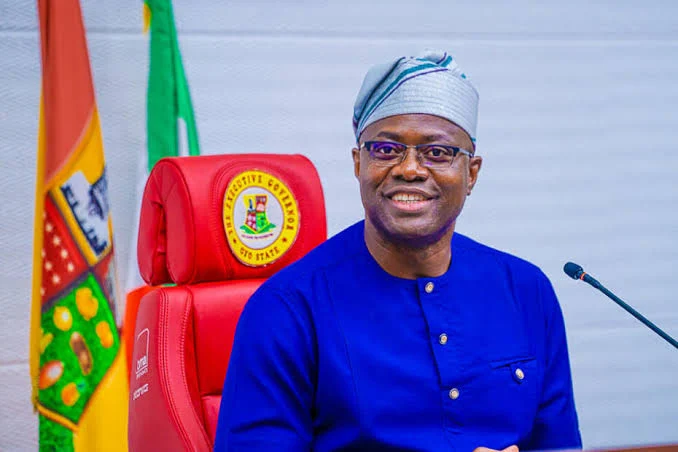
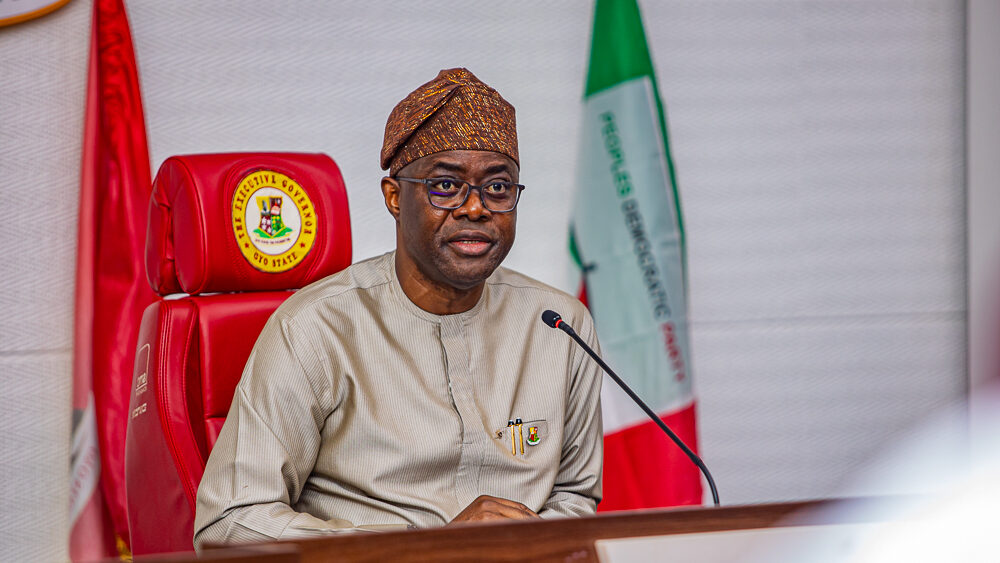
Makinde claimed that poverty rose from about 56 percent in 2023 to around 62 percent in 2026. This means around 23 million more Nigerians are now living in poverty.
He noted that the Federal Government pointed to reports from the World Bank and the International Monetary Fund showing economic stability. But he argued that this stability has not improved life for most Nigerians.
“These 23 million are not just numbers. They are our parents, neighbours, friends, and children. Macroeconomic stability has not translated at the same pace into jobs, lower poverty, and improved living standards for the majority of Nigerians,” he said.
Makinde added, “That is part of the scorecard the Federal Government must own.”
He believes that governments must balance economic reforms with ways to support citizens' livelihoods and their ability to grow the economy.
“For me, leadership must be able to think about two things at once: what structural change does the economy need? And how do we protect people's ability to live, work, and produce while we make that change?” he said.
The governor argued that Nigerians should feel free to reject a government if its policies do not produce results within the first term.
“And if, after four years, a leader has not been able to make those choices work for the people, Nigerians have every right to say: let us try someone else,” he said.
Makinde also connected this idea to his proposed reforms. He said one presidential term could be enough to start changes in key areas if the administration has clear goals and targets.
He explained that his agenda would show what Nigerians can expect in the first three years and how progress will be measured.
Talking about the next election, Makinde said voters must decide if they agree with the government’s leadership style and priorities.
“So, the next election is ultimately about two questions: do you agree with how this government is thinking? Are you satisfied with what it has chosen to prioritise?” he said.
He encouraged eligible Nigerians to get their Permanent Voter Cards and take part in the election.
Drop your comment
No comments yet — be the first to drop the gist 👇