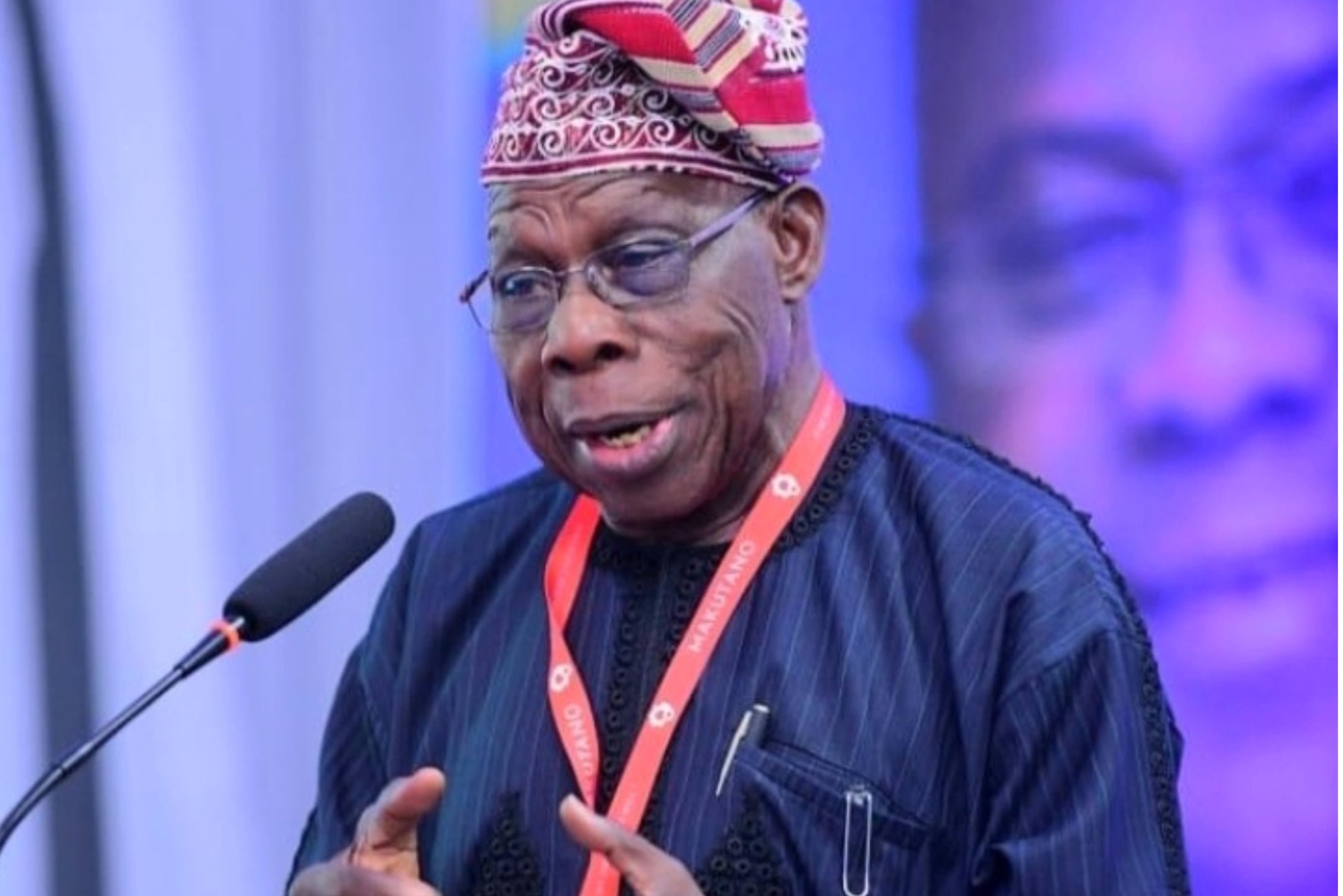
Former President Olusegun Obasanjo has slammed Bola Tinubu's government for its ongoing borrowing, both locally and internationally, to fund the national budget and various projects. He warned that too much borrowing could harm future generations of Nigerians.
Obasanjo, who was president from 1999 to 2007, said relying on loans from foreign bodies like the World Bank and the International Monetary Fund (IMF) won't fix Nigeria's economic issues. He stressed that these institutions were not set up to solve Nigeria's problems.
He spoke on Friday in Abeokuta, the capital of Ogun State, during a public event called the Ajibosin Platform. The forum was themed "Using Artificial Intelligence to Solve Grassroots Problems and Boost National Development."
The Tinubu administration is following in the footsteps of previous governments by relying on loans to support government projects. Recently, several loan requests were made to, and approved by, the National Assembly.
On Tuesday, President Tinubu asked the National Assembly for permission to process external loans worth $20,517,755,901 and €1,045,083,643 under the 2026, 2027 Supplementary External Borrowing Plan.
This request came about five months after the National Assembly approved a loan of $516.3 million from Deutsche Bank AG to help build the Sokoto, Badagry Superhighway, a key project under the Renewed Hope Agenda.
The loan is set to last nine years and has a grace period of up to three years. The interest rate is capped at the Chicago Mercantile Exchange’s Secured Overnight Financing Rate (SOFR) plus 5.3 percent annually.
This loan is backed by insurance from the Islamic Corporation for the Insurance of Investment and Export Credit, the insurance branch of the Islamic Development Bank.
In March, the National Assembly also approved a $6 billion external borrowing plan for the federal government. Out of this amount, $5 billion was to come from First Abu Dhabi Bank to support the national budget. A $1 billion export finance facility from the UK, arranged by Citibank, was set aside for the repairs of Tin Can Island Port and the Lagos Port Complex.
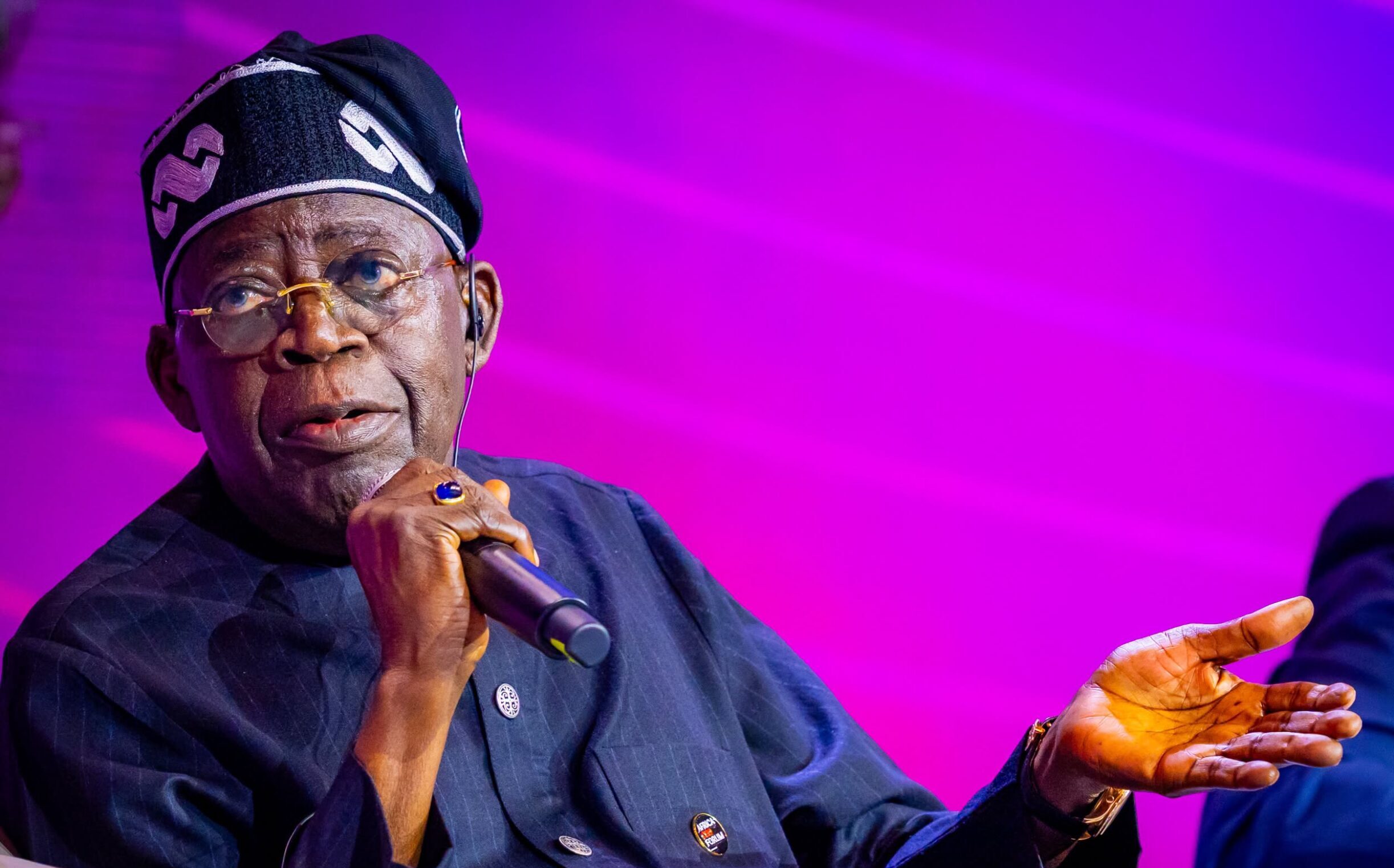
President Tinubu has often defended his administration’s borrowing strategy, saying loans are essential for funding important infrastructure and development projects. On Thursday, he reiterated this view, saying, "The real question is not how much we borrow, but what we build, what value we create and what future we leave behind."
In April, he mentioned that his administration would keep borrowing when necessary. He insisted that borrowing should not carry a negative image. He said, "If we have to borrow, we borrow. Borrowing is not leprosy; we just have to work hard to pay for it."

In response to the president's comments, Obasanjo dismissed the idea that debt is not a serious issue. He called the comparison of debt to leprosy "absolute nonsense," saying that heavy borrowing could burden future generations.
"And for anybody to say debt is no leprosy, is absolute nonsense. Debt is worse than leprosy. Because leprosy destroys only one person. Debt destroys generations," he added.
Obasanjo also criticized Nigeria’s economic management. He recalled that when he started his farm 47 years ago, the naira was worth N1 to $1.85.
“When I started my farm, 47 years ago, naira to the dollar was one naira to $1.85. Forty-seven years ago. What has Nigeria done in 47 years that we now have 1,500 naira to the dollar? What have we done?” he asked.
He questioned the ability of Nigeria's leaders to make decisions that would improve the lives of Nigerians. "What do our leaders know? And what do they not know? And from what they know, what can they do for us?"
He added that the World Bank and IMF were not made for Nigeria. "They were not built by us. They were built before we became independent. And that’s the people who would determine what we do," he said.
Obasanjo warned against blindly following economic advice from foreign-trained experts without considering Nigeria’s unique situation. Nigeria’s debt has risen in recent years as the government has depended on loans to cover budget shortfalls and fund infrastructure.
While Nigeria's debt-to-GDP ratio is seen as moderate compared to some countries, experts worry about the government's limited revenue and its ability to meet debt payments. A large portion of government income goes towards paying off debt, leaving less money for infrastructure and public services.
The IMF and World Bank have repeatedly urged Nigeria to improve revenue collection and ensure borrowed money is used for investments that can create economic returns. The federal government insists that external borrowing is necessary to fix Nigeria's infrastructure, fund development, and meet budget needs. Officials argue that borrowing under good terms can help manage costs and support growth.
Drop your comment
No comments yet — be the first to drop the gist 👇