
Governor Dapo Abiodun is helping 10,000 farmers with new machines, technology, and investments in processing. His aim is to increase food production, cut post-harvest losses, and enhance farmers’ lives.
As Nigeria faces challenges with food prices and high farming costs, Ogun State is stepping up support for farmers. This includes mechanisation, digital innovation, and investments throughout the agricultural value chain.
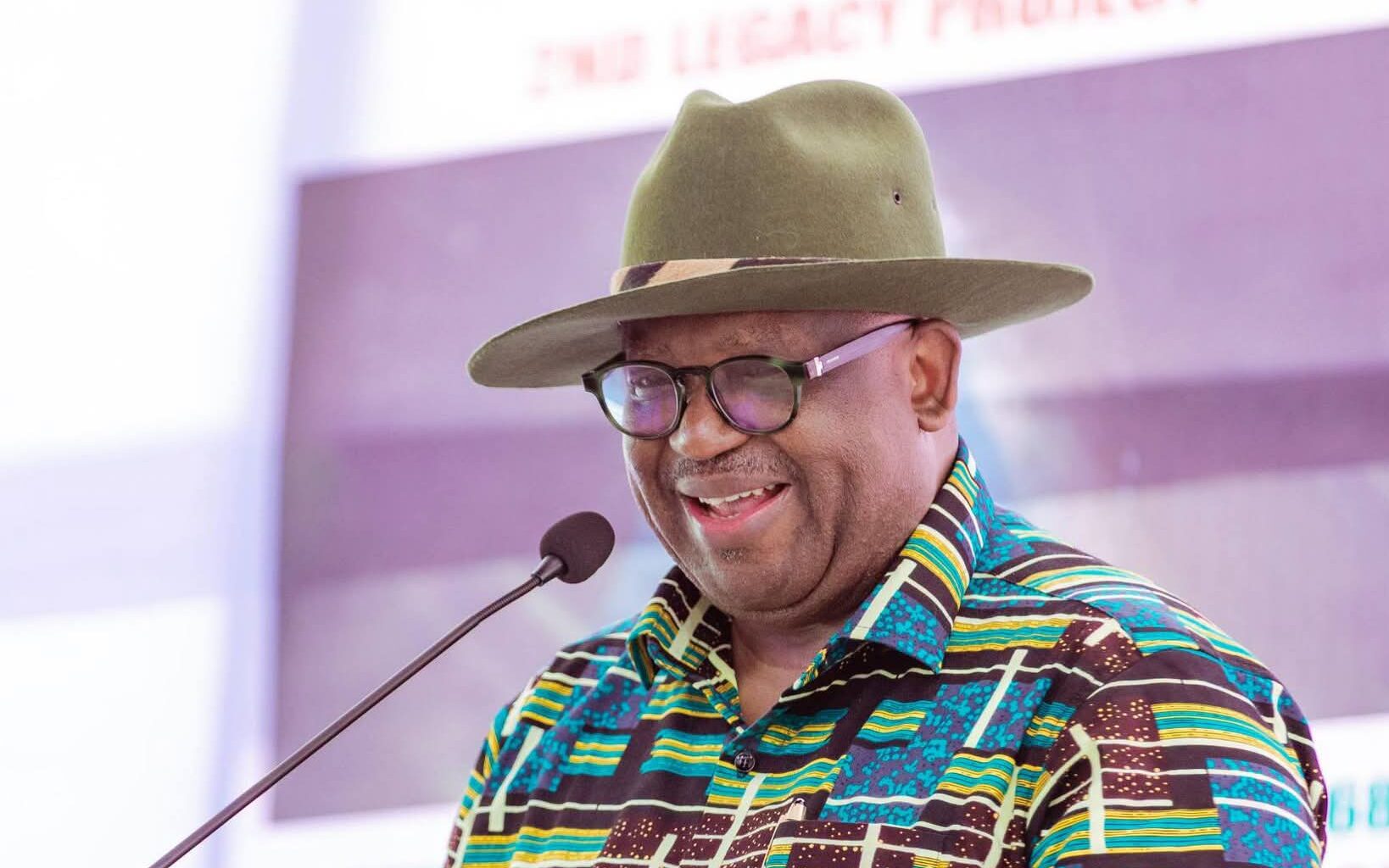
At the 2026 World Food Day event in Abeokuta, the governor revealed new plans to assist farmers. The initiative focuses on 10,000 rice and cassava farmers. It offers subsidised farm inputs, 10 tractors, and 1,200 Android phones with apps for weather updates, market prices, and farming tips.
This approach shows that improving food security is not just about planting more crops. It also means making inputs affordable, sharing timely information, and ensuring better production and storage systems, plus access to markets.
For farmers, the prices of fertilisers, herbicides, and quality seeds can make or break a season. By addressing these issues, the Ogun State Government aims to help farmers overcome challenges and meet market needs.
During the World Food Day celebration, which had the theme “Innovate Today, Nourish Tomorrow,” Abiodun announced support for 2,000 rice farmers and 8,000 cassava farmers.
Each farmer will get two bags of fertiliser and one bag of urea. Cassava farmers will also receive 25 bundles of cassava stems. The government will provide 10 litres of herbicides to each cassava farmer and three litres to each rice farmer.
Beneficiaries will pay 30 percent of the input cost while the state covers the remaining 70 percent with help from the International Fund for Agricultural Development. This cost-sharing plan aims to make essential supplies easier to access and help farmers boost production.
The success of this plan relies on distributing inputs on time, monitoring progress, and seeing if it leads to better harvests and incomes.
Ogun State has great agricultural potential and is close to major markets, which makes these efforts economically important. More production can lead to better food processing, transport, and job creation for many people.
One challenge for Nigerian agriculture is that many small farmers lack access to modern tools. Relying too much on manual work can limit how much land they can farm, slow down planting and harvesting, and raise costs.
To tackle this, Ogun State is distributing 10 tractors and other farming equipment to groups and associations. Abiodun said his government also bought 39 tractors and four self-propelled harvesters.
The goal of mechanisation is not just to have more machines. It is about allowing farmers to cultivate more land, save time on important tasks, and reduce losses from delays.
When used correctly, tractors and harvesters can help farmers work better and produce more. Sharing access to these machines through groups means farmers who cannot afford to buy their own can still benefit.
But for this to work well, there must be plans for maintenance, spare parts, fuel, training, and fair access to the equipment.
The aim is to set up a system where farming machines stay productive, help many farmers, and lead to ongoing improvements in output.
Another key part of the plan is giving out 1,200 Android phones with apps that provide weather, market prices, and farming advice.
This initiative highlights how vital information is in today’s farming. Knowing the weather can help farmers decide when to plant. Market data helps them know where and when to sell their crops.
Access to farming information can help farmers adopt better practices and respond to changing conditions. For farmers dealing with unpredictable situations, timely information can affect their success.
This digital initiative connects to the Ogun State Farmer Information Management System, which started in April 2023. It helps with agricultural planning and focused support.
Abiodun mentioned that over 160,000 farmers and others in the agriculture sector are on the platform. This database helps identify farmers and their needs while improving government support delivery.
It can also help create better agricultural policies as long as the information is kept up-to-date and used correctly. The challenge is making sure the technology reaches the farmers who need it and that they can use the apps well.
If done right, digital technology can help close the information gap between farmers, extension services, markets, and decision-makers.
Beyond providing inputs and machines, the Abiodun administration sees agro-processing as key to its agricultural plans. The governor said that 28 agricultural projects have been finished in the last two years, covering crop production, aquaculture, and poultry.
These projects include solar dryers, warehouses, cassava processing centres, and a poultry processing plant in Ajegunle Farm Settlement in Odeda Local Government Area. The poultry facility can handle 5,000 birds a day, or about 1.3 million birds a year.
Such facilities are essential because just producing crops does not guarantee better incomes for farmers. Without proper storage and processing, produce can spoil before reaching buyers, forcing farmers to sell at bad prices.
Processing facilities can create more markets for agricultural products, cut avoidable losses, and support businesses involved in packaging and distribution.
For example, processing cassava can create opportunities beyond just selling fresh roots, while poultry processing improves how poultry products are handled and sold.
Warehouses and solar dryers help preserve produce, reduce spoilage, and give farmers more control over when to sell.
The wider goal is to keep more value in Ogun State by encouraging local processing of agricultural produce instead of only selling it raw. This approach can also draw in industrial investment as farmers can provide processors with consistent quality and amounts of produce.
For Ogun, which is close to major markets, developing a full agricultural value chain could strengthen links between farming, manufacturing, logistics, and trade.


The Ogun State Economic Transformation Project (OGSTEP) is another part of the administration’s agricultural plans. Abiodun said agribusiness firms under this program have bought over 283,000 tonnes of agricultural produce.
Farmers grouped into clusters have also received support and connections to buyers. This focus on market access tackles one of farmers' biggest problems: growing crops without reliable buyers or enough market information.
Connecting farmers with buyers can help create more stable demand. Grouping farmers improves coordination, access to training, inputs, and makes it easier for buyers to get large quantities of produce.
Sustaining these connections can help farmers plan better, negotiate sales, and reduce the uncertainty of finding markets after harvest.
The reported purchases under OGSTEP highlight how important it is to connect farming with commercial demand. The next step is to strengthen these ties, increase participation, and ensure that benefits reach both smallholder farmers and larger agribusinesses.
Agriculture has great potential to create jobs, especially in a country where many young people are looking for steady income. But getting young Nigerians into farming needs more than just telling them to farm.
It requires showing that agriculture can support real businesses through technology, modern methods, access to finance, and reliable markets. Abiodun mentioned that his administration partnered with Soilless Farm Lab to train over 200 young people in soilless farming, which offers a different way to grow crops without soil.
This training aims to expose young people to alternative farming methods and equip them with skills for business development. To ensure lasting success, training must come with access to resources, business support, financing, and markets.
The long-term success measure will be how many viable businesses are created, jobs generated, and how well beneficiaries maintain their operations.
Women play a key role in farming, processing, and food distribution. Improving their access to land, inputs, technology, finance, and markets can boost household incomes and increase participation in agriculture.
These factors highlight the need for agricultural programs to combine support for production with opportunities for business growth and inclusive economic benefits.
Access to land is also vital for the scale and success of agricultural investments. The governor said his administration set up the Ogun State Agricultural Land Management Agency to help with land access and promote responsible agricultural investment.
The agency aims to solve land access problems while encouraging investment in commercial agriculture. At the World Food Day event, Professor Kolawole Adebayo, a former Deputy Vice-Chancellor of the Federal University of Agriculture in Abeokuta, noted that Ogun State has roughly 1.2 million hectares of arable land, which is a lot for agricultural production and agro-industrial growth.
He argued that the state needs smart policies and ongoing investment in innovation to tap into this potential. However, having arable land is just part of the solution. Farming expansion also needs reliable water, good roads, storage, access to finance, proper technology, and a working market system.
Adebayo called for a transport network that connects rail, road, water, and air to help move agricultural produce and keep it fresh before reaching consumers. This proposal highlights a bigger issue in food distribution: even with good harvests, poor transport and storage can raise costs and reduce the amount of food reaching the market in good condition.
Better connections between farms, processing centres, warehouses, and cities can support production investments. For Ogun State, the chance lies in connecting its agricultural resources with its industrial base, transport links, and closeness to big markets.
These agricultural plans are part of a larger effort to boost the state’s role in national food security. Abiodun praised President Bola Ahmed Tinubu for working to improve local fertiliser production and farmers’ access to supplies. He also thanked First Lady Senator Oluremi Tinubu for her support of women farmers.
The governor said Ogun will keep backing federal agricultural programs with targeted support for farmers, responsible investments, and stronger market links. At the World Food Day event, Bolu Owotomo, the Commissioner for Agriculture and Food Security, said that access to healthy and affordable food is key to dignity and development.
He called for more investment in women and youth through better access to land, finance, training, technology, and profitable farming opportunities. He also mentioned that over 12,000 farmers have received training and agricultural inputs through OGSTEP.
Dr Kabiru Yusuf, the National Programme Coordinator of the Special Agro-Industrial Processing Zones Programme, praised the state for its agricultural support and encouraged beneficiaries to make good use of the tools and inputs they received.
Prince Segun Dasaolu, the South-West Coordinator of the Commodity Farmers Association of Nigeria, also acknowledged the state's efforts. Rotimi Sogunle, speaking for farm settlers, thanked the governor for his support to farming communities.
Their comments highlighted the need for ongoing cooperation among the government, farmers, development partners, research institutions, and private investors.
Ogun State’s agricultural strategy mixes immediate aid for farmers with long-term investments to strengthen the agricultural economy. Providing subsidised inputs can help lower costs. Mechanisation can boost efficiency, while digital tools can improve information access. Processing and storage facilities can open new markets, cut losses, and support added value.
Training and land access can also create new farming business opportunities. The real test will be the outcomes these efforts produce over time.
Higher crop yields, lower costs, better farmer incomes, reduced losses, more private investments, and increased availability of affordable food will show real progress more than just the number of projects or equipment given out.
Effective implementation, clear beneficiary selection, regular monitoring, and proper care of public farming resources will be crucial for lasting success. It is also essential to ensure that smallholder farmers, who make up a large part of the farming sector, can benefit from the opportunities created by government programs and private investments.
The 2026 World Food Day initiative highlights these issues. By supporting 10,000 rice and cassava farmers with mechanisation, digital tools, and investments in the agricultural value chain, the Ogun State Government aims to tackle various challenges in food production.
Whether these efforts lead to lasting food security improvements will depend on how well they are implemented, their reach, and the measurable impact on the lives of those who grow and consume food.
For Ogun State, the goal is to turn its agricultural potential into lasting productivity, profitable businesses, and a stronger food system, one where farmers earn better incomes, businesses thrive, and consumers enjoy better access to healthy and affordable food.




Drop your comment
No comments yet — be the first to drop the gist 👇