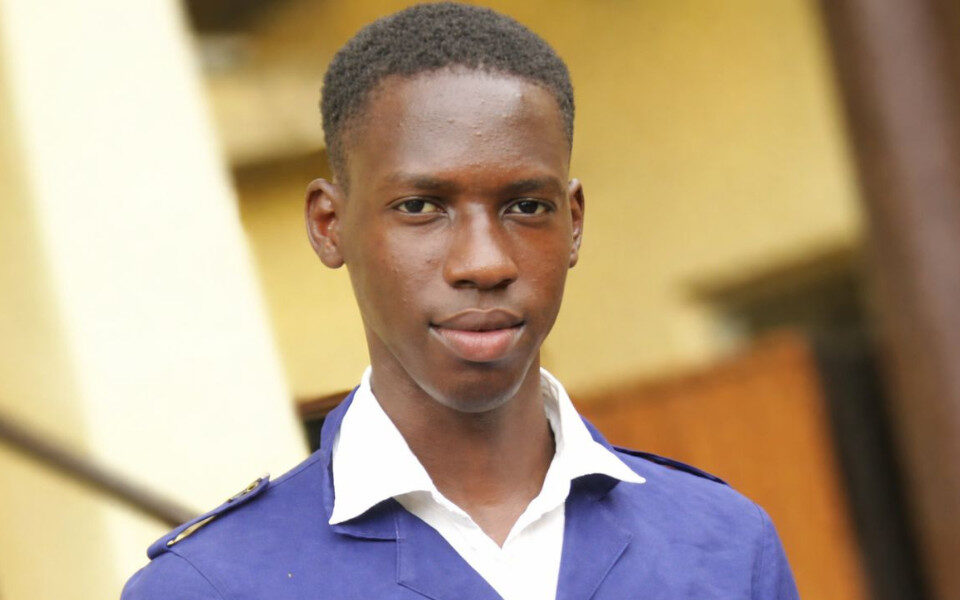
A postmortem examination has confirmed that 20-year-old Pelumi Onifade, a journalist with Gboah TV, died from a gunshot wound to the stomach while covering the #EndSARS protest in Lagos in October 2020.
The injury led to massive internal bleeding, according to the postmortem report from the Lagos State University Teaching Hospital (LASUTH).
Media Rights Agenda (MRA), which has been pushing for accountability over the killing alongside Onifade’s family, shared the findings in a statement on Thursday. The statement was from its Communications Officer, Idowu Adewale.
MRA and Mr Onifade’s family are involved in the ongoing Lagos State coroner’s inquest into his death. The not-for-profit group was part of the case that led to the decision to set up the coroner court to investigate the killing.
The nine-page postmortem report listed the cause of death as “massive haemoperitoneum” and “penetrating firearms injury to the abdomen.”
MRA’s statement noted that Mr Onifade was shot and arrested while covering the #EndSARS protests in Lagos on 24 October 2020.
The postmortem was done at the LASUTH morgue on 4 November 2020. The report was completed and signed on 30 July this year.
A consultant pathologist, Sunday Soyemi, conducted the examination, with another consultant, John Obafunwa, supervising. The examination was approved by the coroner, Bola Folarin-Williams.
What the postmortem found
The report stated that the bullet caused serious damage to Mr Onifade’s stomach and led to massive internal bleeding.
It also found “bony spicules embedded in the soft tissue of the abdomen” and a fracture of the fifth lumbar vertebra.
The pathologist said the findings matched a penetrating firearm injury.
The report explained the bullet's path as “posterior-to-anterior, right-to-left and infero-superior.” In simpler terms, it entered from the back, went towards the front, shifted from the right to the left, and moved upwards.
The injuries were also said to be consistent with a bullet that ricocheted.
The body, tagged No. 1385 at the morgue, was identified as Mr Onifade’s through DNA analysis by the Lagos State DNA and Forensic Centre.
MRA noted that the identification was confirmed during the coroner’s proceedings in June 2026. This was after a DNA sample from Mr Onifade’s family matched the body recovered from a morgue years earlier.
Inquest into his death
MRA explained that the postmortem report has been submitted to the coroner’s court looking into Mr Onifade’s death.
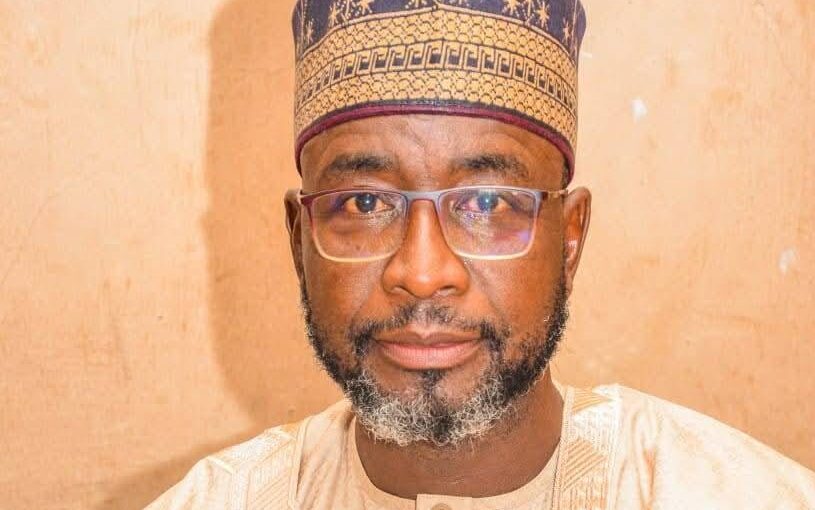
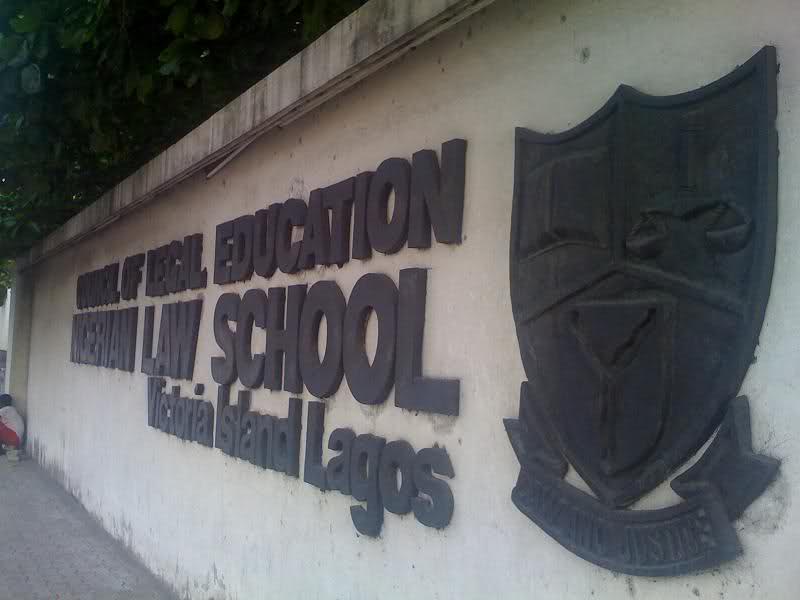
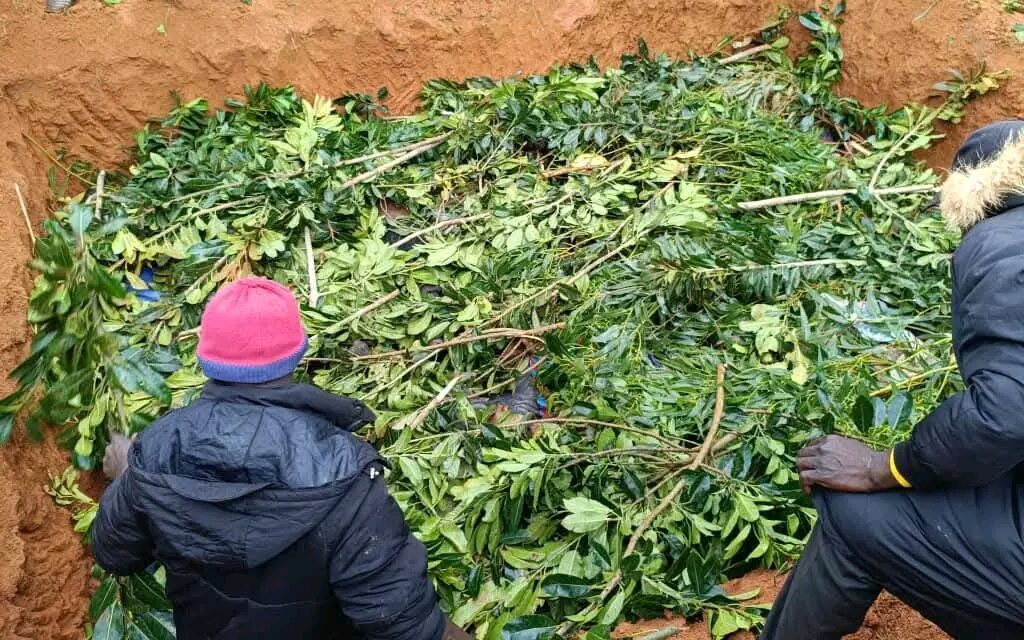
The inquest followed a ruling from the Federal High Court in Lagos. The court asked the Lagos State Government to investigate what happened to the journalist and hold a coroner’s inquest.
In a ruling on 19 July 2024, Judge Ayokunle Faji directed the Attorney-General of Lagos State to investigate Mr Onifade’s death, find out the cause, and identify those responsible for it.
This ruling came after MRA filed a suit against the Lagos State Government and the Nigeria Police Force.
PREMIUM TIMES reported in September 2024 that MRA urged the state government to follow the court order.
The coroner’s inquest later started to look into what happened to Mr Onifade.
The proceedings have been postponed until 6 October, according to MRA.
#EndSARS protest
The #EndSARS protest, which Mr Onifade was covering when he was killed in Lagos, was a nationwide movement mostly by young people. They were protesting against police brutality and harsh tactics, especially from the Special Anti-Robbery Squad (SARS).
The protests began in October 2020 after police officers shot Daniel Chibuike in Delta State. The police later claimed the victim survived and blamed protesters for killing a police officer.
Days after the protests began, the then-President Muhammadu Buhari administration disbanded SARS and promised police reforms.
The then Inspector-General of Police, Mohammed Adamu, also set up the Special Weapon and Tactics Team (SWAT) as a replacement. This was quickly rejected by Nigerians who wanted thorough checks on former SARS members before any transition to SWAT.
The hashtag #EndSARS gained worldwide attention, with Nigerians abroad joining in to call for an end to police brutality and reform of the security system.
The Lekki Toll Gate in Lagos became the main site of the protest. Soldiers shot at peaceful protesters there on the evening of 20 October 2020.
Police also used teargas and fired shots to break up protesters in different parts of the country.
Security forces, especially the police, detained some protesters for months.
Mr Onifade is believed to have been killed due to the violent response from security forces trying to stop the protest.


Drop your comment
No comments yet — be the first to drop the gist 👇