---
Artificial Intelligence (AI) has changed from being just an experiment by tech companies in the West. Now, it is reshaping our lives in ways we never imagined. The corporate world is restructuring, leading to job losses and high efficiency. These changes are now everywhere.
AI is making big waves in health, education, and transport. For example, it is powering self-driving cars. The impact is huge. It is changing how we use technology and how we work. AI reflects the “brave new world” of Miranda in Shakespeare’s play, The Tempest. But this is not just another tech revolution that offers endless benefits for humanity.
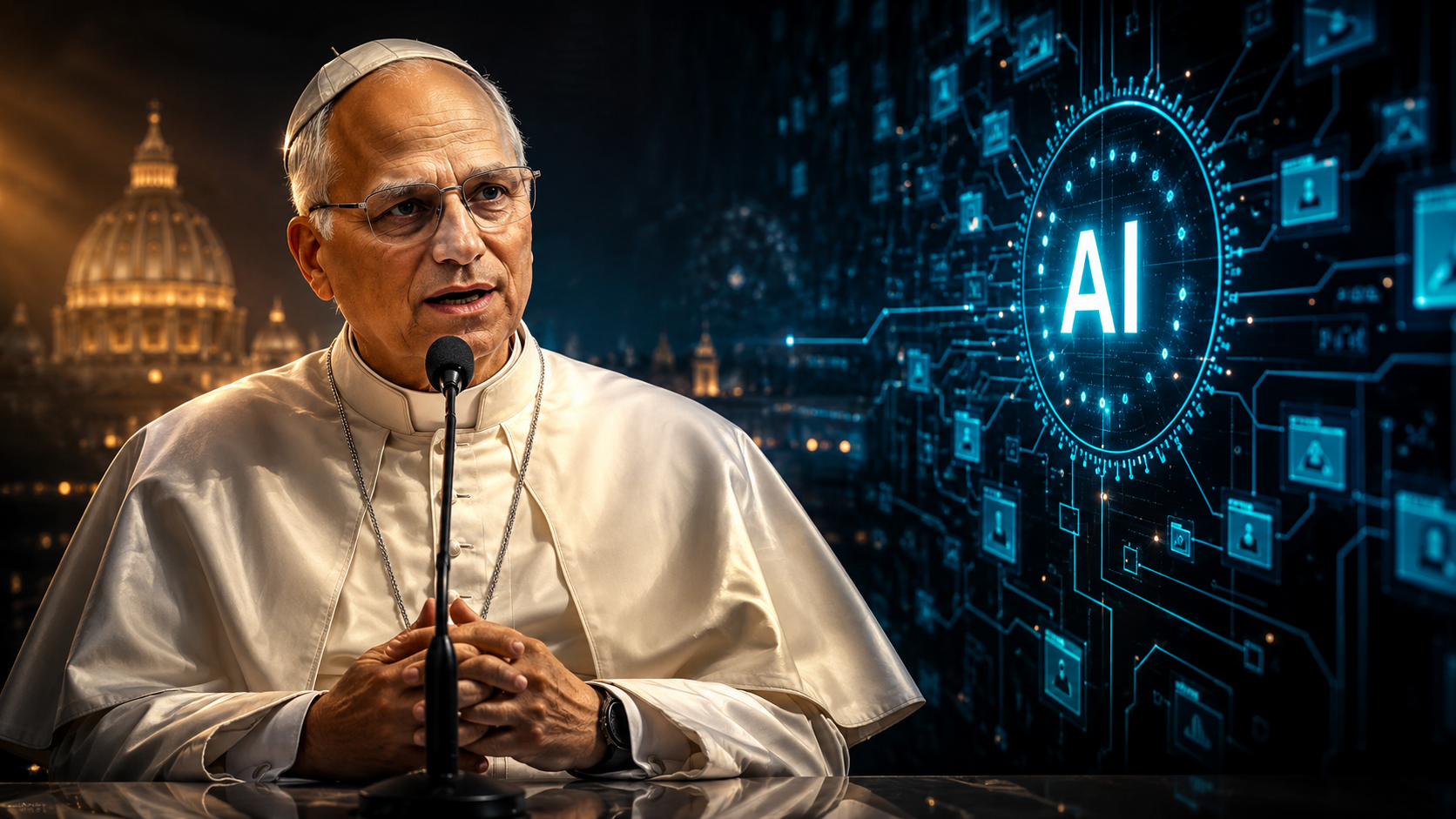
AI can also bring disaster. It poses a real threat to our survival as we know it. Sadly, this darker side of technology is often overlooked. This concern was highlighted in the Encyclical of Pope Leo XIV, released on May 25. It is titled “Magnifica Humanitas: On Safeguarding the Human Person in the Age of Artificial Intelligence.”
The Papal letter stresses the right to work, feel secure, and live with honesty and respect for others’ rights. This is a debate we cannot ignore. In the end, the Pope suggested that AI should be “disarmed.”
AI experts joined the Pope when he launched this Social Doctrine. One of them was Christopher Olah, co-founder of Anthropic, a US AI company. Olah said, “the questions raised by AI are bigger than the AI research community, not just in their implications, but also in their nature.” This is true.
The Pope warned that less human control over AI weapons could increase the chances of wars without end. The ongoing war between Russia and Ukraine is a clear example. In October 2025, Russia used over 4,000 drones, according to a BBC report. Ukrainian officials say that since June last year, an average of 256 Russian missiles hit their territory daily. The results of this conflict are devastating.
Every month, jobs that were once secure at Amazon, Meta, Oracle, Google, Microsoft, and other tech giants are disappearing as AI becomes more popular. Amazon announced in January that it would lay off 16,000 workers. Cloudflare, a US security firm, said in May it would cut 96,000 jobs, which is 20 percent of its workforce. This is a growing socio-economic crisis that will hurt many lives.
Workers in the creative industry are also feeling the impact of AI. Musicians and actors have complained about AI's involvement in copyright issues and the creation of fake versions of their work. This has led to many lawsuits in US courts.
Students in universities and colleges are worried about their future because of AI's increasing grip. When commencement speakers tell them to prepare for this tech challenge and adapt, they often respond with boos and jeers.

Former Google CEO Eric Schmidt faced this frustration at Arizona University. Many young people now see that their degrees may not guarantee jobs in sectors leaning towards AI. This loss of confidence and reliance on others after years of study has serious social effects.
Besides the Pope, many AI experts and innovators have warned against rushing into this technology. In 2023, researchers like Yoshua Bengio from Canada and Stuart Russell from Britain, along with American leaders like Steve Wozniak and Elon Musk, called for a temporary pause on AI development. They want to make sure safety protocols are in place. This idea makes a lot of sense and should be considered.
Geoffrey Hinton, known as “the Godfather of AI,” warned that super-intelligent machines could endanger humanity's future. Joep Meindertsma, founder of the Pause AI movement in the Netherlands, believes we know far too little about AI's safety compared to its capabilities. He urges, “We need a global treaty that pauses this race until we know how to retain control; (and) even when this happens, we need to think about the kind of society we want.”
About 70 NGOs, known as STOP KILLER ROBOTS, joined forces with the International Committee of the Red Cross and the UN Secretary-General to condemn weapon systems that lack human oversight.
Some argue that pausing AI is only a temporary fix. They believe AI is capable enough to spread across the internet and influence countries for its own goals.
Calls to completely stop AI might mean losing something valuable. The World Economic Forum predicts that AI will create 170 million jobs by 2030, despite displacing 92 million jobs. Scrapping AI would ignore its benefits, like a surgeon using robotic arms to perform cancer surgery from 220 kilometers away.
In the end, the need for caution and regulation is about what kind of society we want. Do we want a society that ignores the risks of AI? One where automated tools affect our thinking, create fake information, and start wars?
The current challenge is to unite globally to ensure AI development is guided by strong ethics. It is encouraging that Pope Leo is leading this important charge for humanity.


Drop your comment
No comments yet — be the first to drop the gist 👇