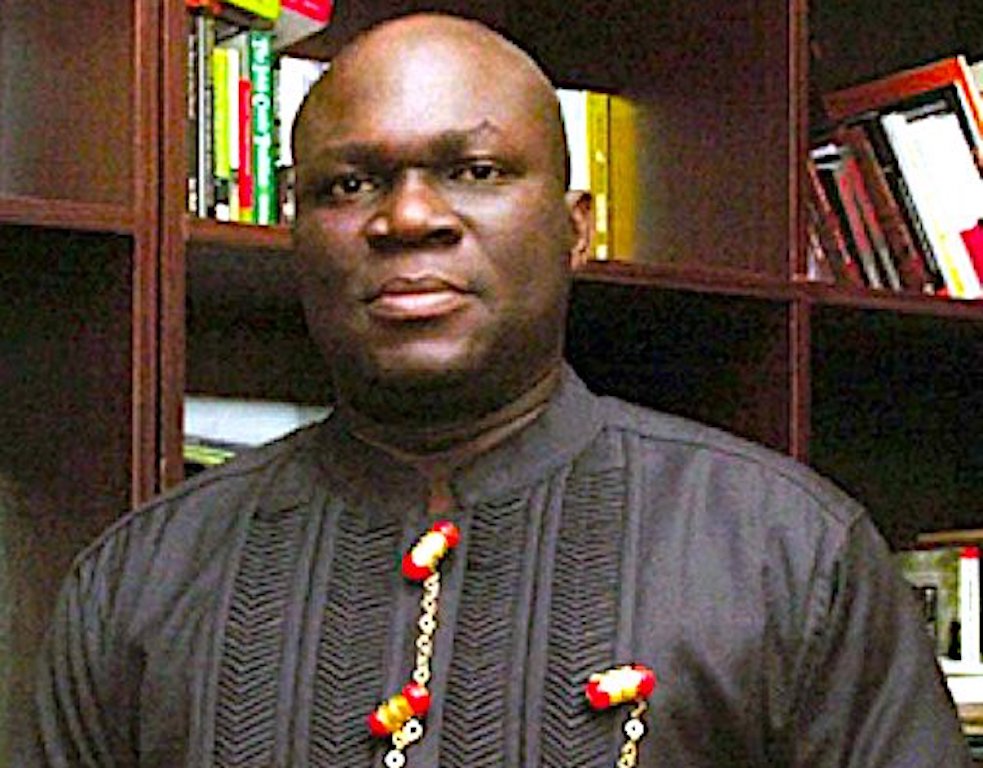
Death is part of life. Nothing lives forever, not even nature. It is said that even the best will eventually pass on, leaving behind memories and legacies. Recently, the community of communication and ideas is mourning the loss of Patrick Dele Cole, also known as P.D. Cole or PDC. He died in London on October 17, 2026, at 86 years old. Cole was a historian, administrator, newspaper columnist, author, politician, and a key figure in Nigerian journalism. He made a significant impact during his life and leaves behind a strong legacy.
His death comes at a time when we remember two other important moments in our industry. One week ago, we lost Professor Idowu Sobowale, a retired Professor of Mass Communications at the University of Lagos. He trained many journalists and public relations experts. P.D. Cole’s passing also came just two days before the 40th anniversary of the mysterious death of Dele Giwa. His writings were honored recently in Lagos with a new book called “Dele Giwa’s Granite Journalism,” edited by Mr. Ray Ekpu, a notable figure in journalism. Dr. Patrick Dele Cole was deeply involved in Nigerian journalism for over thirty years. His influence can be seen in many important developments in the field.
I first met him at The Guardian newspapers, where I worked for over 21 years. I held roles such as editorial board member, columnist, and editorial page editor. Dr. Cole was a father figure at The Guardian. He was close to the publisher, Mr. Alex Ibru, and contributed greatly to the newspaper's editorial direction. When Mr. Ibru decided to start a newspaper in 1982, he sought advice from two friends: Chief Olusegun Osoba, a seasoned journalist, and Dr. Dele Cole, who had been Managing Director of The Daily Times. Despite warnings from his brother not to enter a risky business, Mr. Ibru was driven by a desire to give a voice to the voiceless in Nigeria. With support from Osoba and Cole, The Guardian was born.
Mr. Ibru had the resources to make his vision a reality. Osoba and Cole put together a team capable of building a newspaper that would go beyond Lagos. They aimed to create one of the best five English newspapers in Africa and the leading newspaper in Nigeria. The Guardian exceeded these expectations and became an institution. Its core team included experienced journalists from The Daily Times, led by Mr. Lade Bonuola and Mr. Femi Kusa. Dr. Stanley Macebuh also contributed, turning The Guardian into an intellectual hub. Dr. Dele Cole played a crucial role in this transformation, remaining committed even after Mr. Ibru's death.
To understand Dr. Dele Cole's significance in Nigerian journalism, we must look at his path into the industry. He was born on August 4, 1940, in Abonnema, Rivers State. He attended St. Bartholomew’s School in Enugu, Baptist High School in Port Harcourt, and Ibadan Grammar School. In 1962, he went to New Zealand on a Federal Government Scholarship to study at the University of Otago, where he graduated with First Class Honours in History in 1965. He then furthered his studies at the University of Cambridge, earning a Master’s in History and a Ph.D. in 1973. He served as a Visiting Professor at the University of Pennsylvania and a Fellow at King’s College, Cambridge. After returning to Nigeria, he worked in the Cabinet Office.
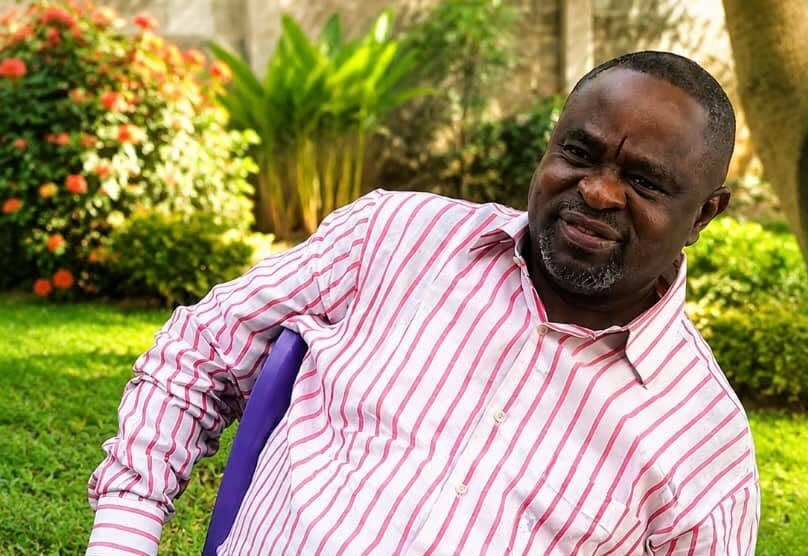
Dr. Cole quickly distinguished himself. In 1975, the Murtala Muhammad administration appointed him as a non-executive director at the Daily Times after the government took a 60% stake in the newspaper. His task was to control the bold journalism of the Daily Times. However, when he became Managing Director in 1976, he did the opposite. He defended press freedom and the rights of journalists. He ensured that the newspaper could write its own editorials and protect its sources, which became a famous legal case. Cole also transformed the editorial board by bringing in educated writers and thinkers. He reorganized the board into a separate think-tank, changing the structure of Nigerian journalism forever.
Dr. Cole was a true public intellectual and polymath. He knew Nigeria and its people well. He had served in various roles, including on the Presidential Panel on Nigeria's History since Independence and as Nigeria’s Ambassador to Brazil and Argentina. Cole was active in politics and public service, even running for the Presidency in the early 90s. He later became Deputy National Chairman of the People’s Democratic Party and Special Adviser to President Olusegun Obasanjo on International Relations. His commitment to democracy and the rights of minorities was clear in his support for Chief MKO Abiola. Many tributes have been paid to him, showing how much he was respected. The Pan Niger Delta Forum has even declared seven days of mourning for him.
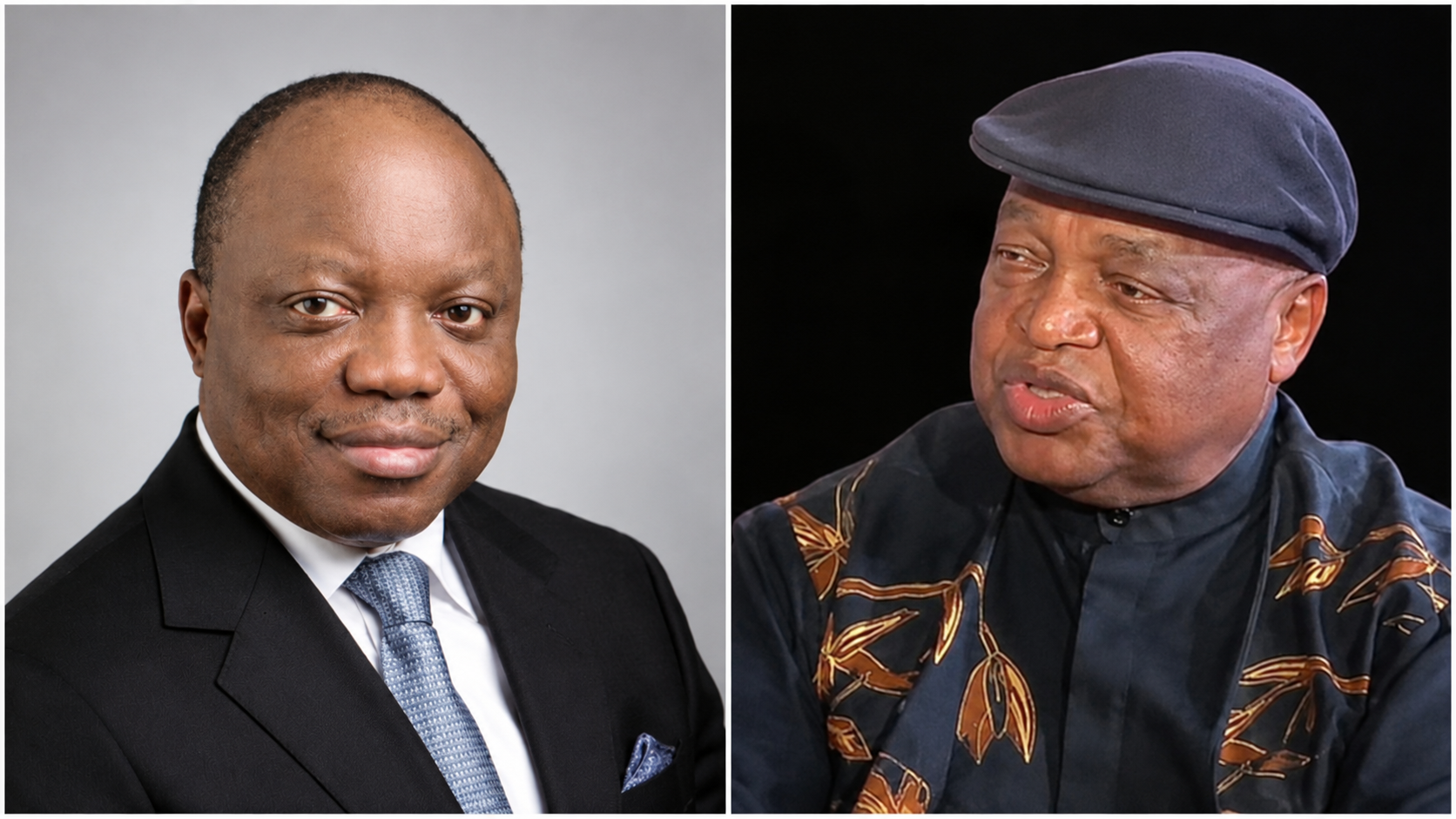
President Olusegun Obasanjo, whom he served closely, called him “one of Nigeria’s finest intellectual pillars.” He described him as a trusted ally who helped shape key moments in Nigeria’s history. Rivers State Governor Simi Fubara called him “a beloved elder statesman.” Former Delta State Governor Chief James Ibori praised him as a loyal advocate for the Niger Delta. Dr. Charles Omole remembered him as an exceptional gentleman and a cherished friend. President Bola Ahmed Tinubu highlighted Cole’s contributions to Nigeria’s development through media and diplomacy.
Dr. Cole wrote on many topics, including corruption and governance. His distinctive style continued until his final days. His columns in the Vanguard included pieces on political conflict, the rule of law, and Nigeria's military. He authored important works like Modern and Traditional Elites in the Politics of Lagos and Nigeria Since Independence: The First 25 Years: Politics and Constitutions. Beyond writing, Dr. Cole was a bridge builder who enjoyed life. He, along with others, brought style and intellect into journalism. He was known for his big, Cuban cigars, which became part of his image. He was approachable and would discuss important issues even as his health declined. He has now moved on to the afterlife after a life filled with honor, hard work, and service. He will be greatly missed. We celebrate his life. Farewell, sir.
Drop your comment
No comments yet — be the first to drop the gist 👇