As the Invest Lagos 3.0 summit approaches, Governor Babajide Sanwo-Olu is promoting Lagos as the top spot for investment in Africa. The goal is to bring in about ₦4 trillion, which is around $2.5 billion, in new investments across various sectors like infrastructure, technology, housing, agriculture, and transport.
For many years, Lagos has held a special place in both Nigeria and Africa. It is the country’s business center, housing major banks, manufacturing companies, tech firms, ports, and financial institutions. The city's size and growth continue to influence discussions on urbanization, infrastructure, and economic progress across the continent.
Lagos officials make a clear case. With its large population, market size, transport connections, and growing infrastructure, Lagos aims to be more than just Nigeria’s economic capital. It wants to be a gateway to business opportunities in Africa.
Investment documents prepared for the summit show that Lagos contributes over 30 percent of Nigeria’s Gross Domestic Product and accounts for about 90 percent of the nation's foreign trade. The Lagos state government claims that the state generates about 70 percent of its revenue internally, which lessens its reliance on federal funds.
This revenue growth is a key part of Lagos’ economic narrative. In 2025, Lagos made over ₦1 trillion in Internally Generated Revenue, becoming the first Nigerian state to reach this milestone. The state’s formal economy is estimated to be worth more than $130 billion.
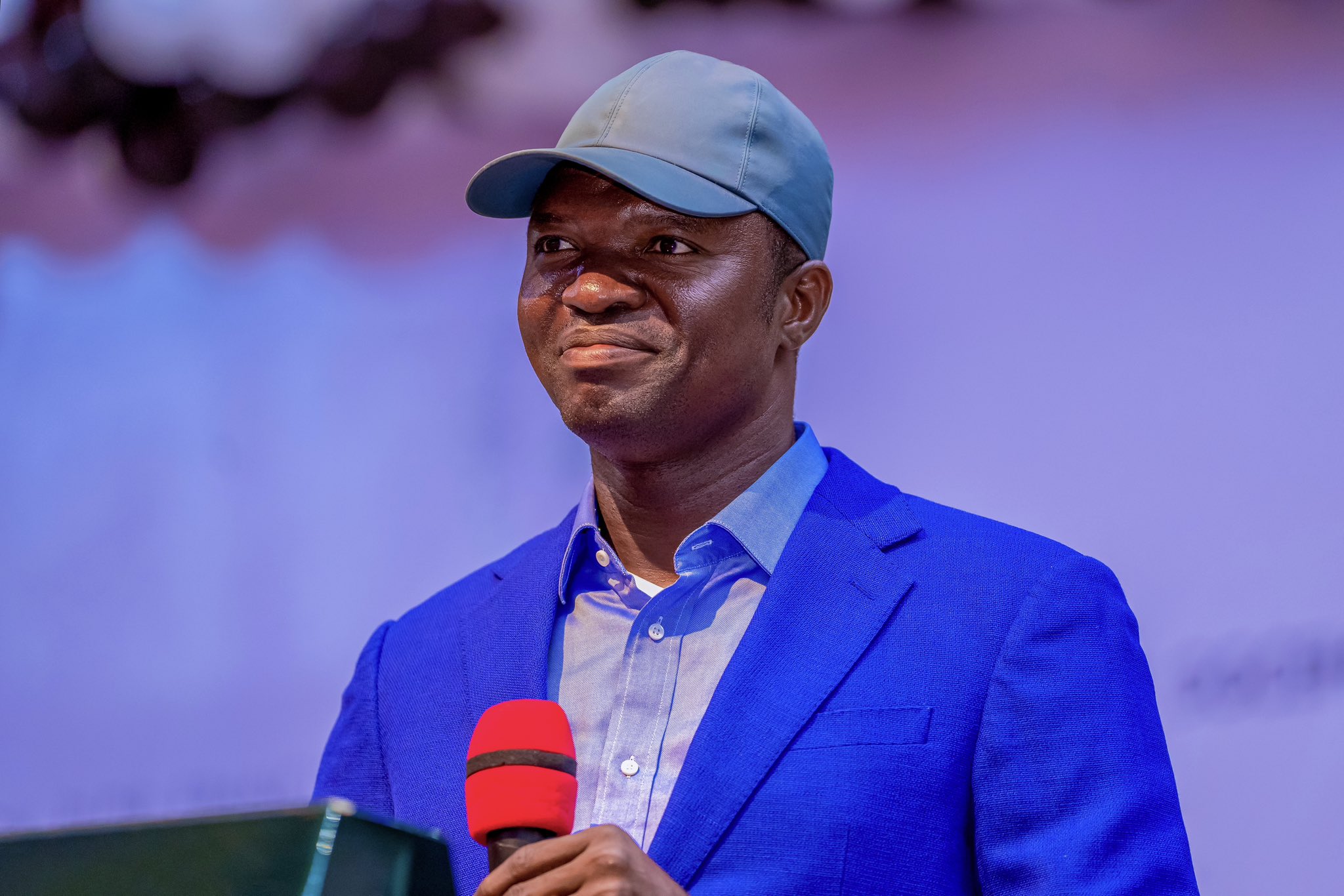
Recently, Mr. Sanwo-Olu made a strong case for Lagos during Africa Week 2026 at King’s College London. He called Lagos a powerful symbol of Africa’s potential, showing how local governments can boost economic growth and global influence.
The governor stated that Lagos has become Africa’s second-largest city economy, with a Gross Domestic Product of around $259 billion based on purchasing power parity. He mentioned that the city is now Nigeria’s main commercial gateway and a key place for investment, business, and talent.
Sanwo-Olu pointed out that even though Lagos covers a small area in Nigeria, it has developed into one of the continent’s most economically significant urban centers. He said policies, innovation, and enterprise have shaped local development and influenced regional and global economic discussions.
The Lekki Free Zone has become a key part of the state’s industrial plans. Located on the Lekki Peninsula, this zone aims to attract investments in manufacturing, logistics, energy, and technology through tax benefits and infrastructure support. Officials expect this area to support industries like automobile assembly, agro-processing, tourism, and real estate.
The numbers show why Lagos is appealing. The city has about 22 million residents, making it Africa’s most crowded city. Officials predict the population might exceed 30 million in a few years, with an annual growth rate of 3.2 percent. Over 45 percent of Nigeria’s skilled workers live in Lagos, and the literacy rate is at 92 percent.
Infrastructure is crucial to the state’s investment goals. Projects like the Lekki Deep Sea Port, the Lekki Free Zone, and the Dangote refinery corridor are seen as proof of Lagos’ ambition to be a regional logistics and industrial center.

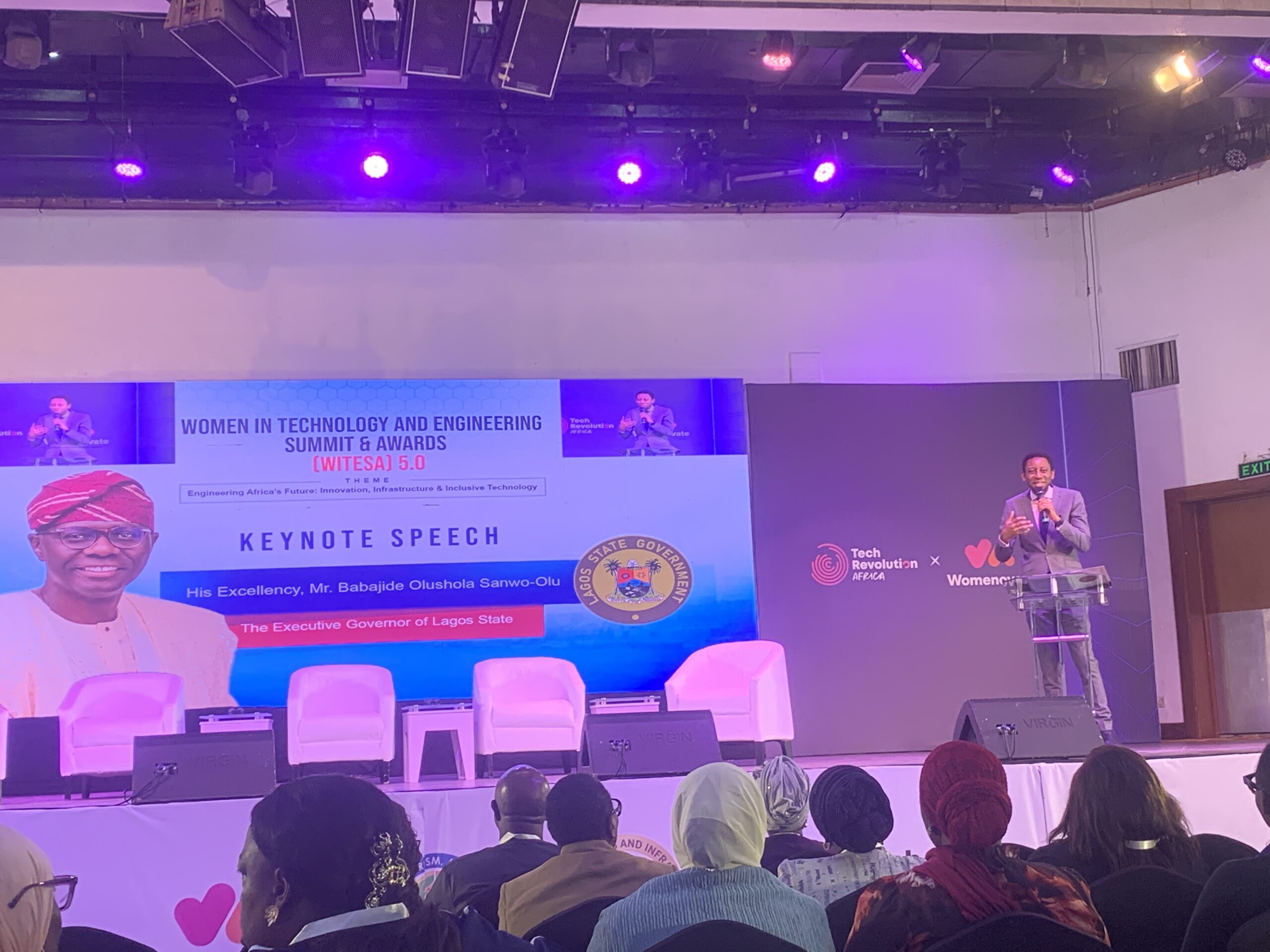
Sanwo-Olu said his government’s development approach since 2019 has been to see Lagos as a platform to unlock rather than a challenge to manage. He mentioned that this vision is part of the state’s THEMES+ agenda, which focuses on transport, health, education, technology, urban development, security, and social inclusion.
Transport improvements are a big part of this strategy. The governor highlighted the start of passenger services on the Blue Line Rail and the launch of the Red Line Rail, along with investments in roads, bridges, bus services, and water transport.
"These are not isolated projects but part of a planned effort to change how Lagos operates," he said.
He also shared achievements like providing over 3,000 affordable housing units, deploying 250 patrol vehicles for security, and acquiring 62 fire trucks to boost emergency response. The state has also invested in food security projects like the Imota Rice Mill and improved logistics systems.
Housing remains a significant challenge for Lagos. Documents from the state estimate a housing deficit of about 1.8 million units, with housing demand expected to grow by 20 percent each year. About 80 percent of households are believed to rent their homes.
Technology and financial services are shaping modern Lagos. The city has become Nigeria’s leading tech hub, attracting startups, venture capital, and global companies. Sanwo-Olu stated that Lagos now has over 2,000 startups and has produced five unicorns in fintech and digital commerce. The city is also ranked among the fastest-growing tech ecosystems in the world.
The governor mentioned that Lagos’ ₦4.44 trillion budget for 2026 shows the government’s commitment to invest in infrastructure, social services, and economic strength. He argued that a strong Lagos boosts the national economy because Lagos plays a big part in Nigeria’s capital importation and internally generated revenue.
He also pointed out the rising importance of the creative economy. According to him, sectors like music, film, fashion, design, and digital content have turned Lagos into a creative hub, with Nollywood and Nigerian musicians showcasing African creativity worldwide.
Yet, challenges still exist. Traffic jams, flooding, pressure on public services, and worries about the cost of doing business affect both residents and investors. Economic inequality is also noticeable, with luxury developments alongside overcrowded neighborhoods lacking basic services.
Whether through ports, finance, technology, manufacturing, or consumer markets, Lagos is still a city that investors cannot overlook. The ongoing challenge will be managing rapid growth while ensuring the necessary infrastructure and governance are in place.
Drop your comment
No comments yet — be the first to drop the gist 👇