When Professor Charles Chukwuma Soludo became Governor of Anambra State in 2022, he came to Awka with a strong background and a lot of goodwill. Many Nigerians, especially from the South-East, hoped he would succeed. Few politicians in Nigeria have entered office with such impressive qualifications and high expectations.
With a First-Class degree in Economics, a doctorate in Econometrics and Monetary Economics, and experience from top institutions like the Brookings Institution, Cambridge, Oxford, Warwick, the International Monetary Fund, and the United Nations Economic Commission for Africa, Soludo was seen as a true scholar-statesman. In a political landscape where many focus on patronage, his rise was a refreshing change, showing that brains and competence can win.
His time as Governor of the Central Bank of Nigeria only added to this view. The banking reforms he led changed Nigeria's financial system, boosting confidence in a sector that had faced many problems. Whether or not people agreed with all his reforms, it was clear he had the skills to handle tough governance issues. For many Nigerians, he became a symbol of excellence.
I was reminded of this during a chat with Nurudeen, a young activist from Lagos. At that time, our group, Ikengaonline, was looking for partnerships to promote transparency and accountability in the South-East. Nurudeen led a group called AdvoKC, which helps citizens hold public officials accountable using civic engagement and technology.
He excitedly introduced me to a digital platform his team created called "Soludometer". It was set up to track and evaluate Soludo's campaign promises as Governor-elect. I understood how important this initiative was.
In a country where elections often rely on patronage, Soludo was expected to do more than just govern well. He was meant to change the way governance works. He became more than a politician; he became a standard for good leadership.
Maybe that is why criticism of Soludo feels uncomfortable. Perhaps it's because we have mutual friends, or because his deputy governor is a year younger than me from medical school. Whatever the reason, I have hesitated to judge his leadership. Sadly, that early goodwill seemed to fade quickly.
From the beginning, Soludo seemed more focused on building a national reputation than on solidifying his achievements as governor. Political ambition is not bad. Many great leaders saw one position as a stepping stone to another. When directed well, ambition can be a good thing.
The issue is that Soludo often seemed to be in a constant competition with Peter Obi. This rivalry seemed more real in his mind than in the minds of many Nigerians.
Let me make this clear: Peter Obi is a significant public figure and one of the key political players in Nigeria today. He is not above criticism. In a healthy democracy, politicians must face scrutiny and debate. Obi’s policies and actions deserve to be questioned just like anyone else's.
The problem is not that Soludo criticizes Obi. The concern is how often and intensely he does it. When a governor fixates on one opponent while ignoring other major political figures who impact Nigerians' lives, questions arise. Constructive criticism enriches democracy, but selective criticism can seem like political maneuvering disguised as principle.
During the 2023 presidential campaign, even though neither Soludo nor APGA were major players, he frequently criticized Obi. Even after the election, Obi remained a target for Soludo's comments. Yet, it is hard to recall Soludo making similar criticisms of President Bola Ahmed Tinubu, whose policies affect all Nigerians, including many in Anambra. He also has not shown the same eagerness to critique Atiku Abubakar, another major player influencing national discussions.
This imbalance is hard to ignore.
Politics is about competing ideas, and public figures should expect criticism. But when a governor focuses on one person while others avoid similar scrutiny, motives come into question. The bigger issue is perception.
The perception is of a governor wasting political capital on a rivalry that does not help with Anambra's pressing problems. Fairly or unfairly, people began to see him less as the intelligent technocrat they once admired and more as a politician distracted by national ambitions. This perception has hurt his reputation among those who once saw him as a bridge between intelligence and public service.
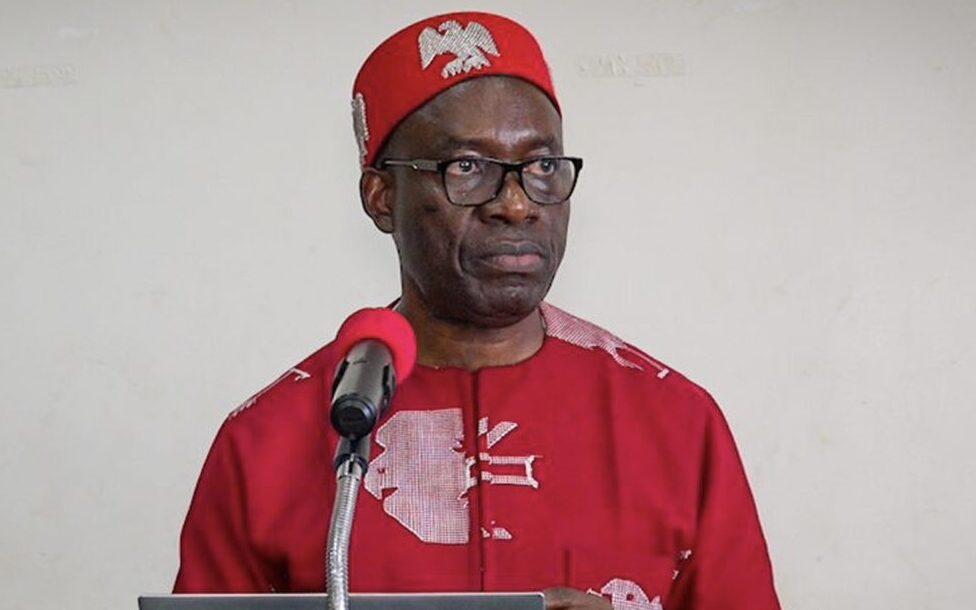
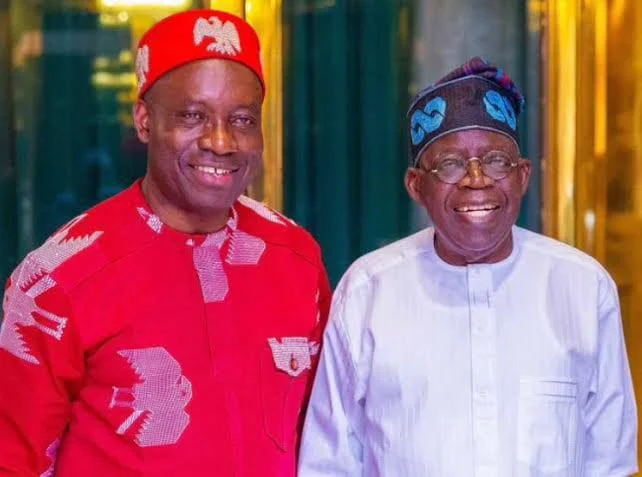
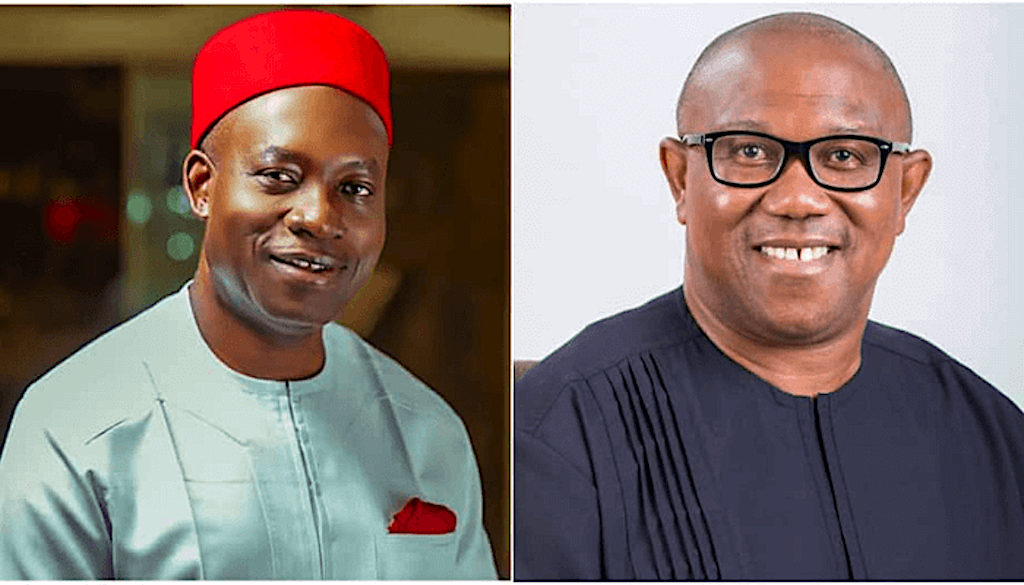
Still, to focus only on Soludo's political blind spots would be wrong. He has shown courage and clarity in some areas.
One major area is his fight against fraudulent native doctors, miracle workers, and self-proclaimed spiritual leaders who take advantage of people's fears and hopes. His government has moved beyond just talking about the issue to taking action. They have targeted those accused of promoting fraud and exploiting citizens. This effort deserves praise.
The harm caused by these fraudsters goes beyond just the people they trick. They promote a culture that values shortcuts and deception over hard work and honesty. They sell false hope to vulnerable people. This harms public morals and trust in real institutions. A society cannot thrive when fraud is a business model and deception is disguised as spirituality.
By tackling these fraudsters, Soludo is reinforcing the idea that neither religion, tradition, nor charisma should protect criminal behavior. Prosperity should come from hard work and innovation, not manipulation.
Another important issue he has addressed is the Monday sit-at-home order that has caused economic and mental stress in the South-East.
For years, this weekly shutdown has disrupted business, education, transport, and public services in the region. The economic impact is clear. The social effects are harder to measure but just as damaging. Communities have started to think that unchosen individuals can control public life outside of democracy. This normalization of fear is a concern.
Soludo has argued that the sit-at-home order is harmful to the economy and against the rule of law. His government has used public persuasion, law enforcement, and economic incentives to get citizens to return to normal activities on Mondays. This goes beyond just economic recovery.
What is at stake is restoring confidence in civic life and affirming that public life should be guided by laws made through legitimate channels, not by intimidation. Some may disagree with how Soludo has approached this. They might question his timing or methods. But the larger goal of taking back public space from fear and restoring normal economic activities is clearly valuable.
And this shows the complexity of Charles Soludo. He is one of the smartest politicians today. He has taken bold steps on issues that many others avoid. But he has also gotten caught up in political rivalries that reduce his influence and distract from the transformative governance many hoped he would bring. History does not judge leaders just by their intelligence. It judges them by what they focus on.
Soludo still has a chance to shape how history will remember him. If he spends less time on political fights and more on building institutions, economic recovery, and real governance, he may still meet the high expectations that came with his arrival in Awka.
For now, he is a complicated figure: smart, politically ambitious, sometimes divisive, but undeniably important.
He deserves criticism when it is fair, especially when his political stance seems counterproductive. But he also deserves recognition for challenging fraud, confronting superstition, and opposing the fear that disrupts daily life in our homeland.
Charles Soludo is neither the savior his fans thought he was nor the villain his critics sometimes claim. He is a leader with great potential whose strengths and weaknesses are still in contention. The outcome of that contest, not just his qualifications, will decide how history remembers him.

Drop your comment
No comments yet — be the first to drop the gist 👇